Some jobs fall outside the program. The page says interns "cannot work in unskilled or casual labor positions." It bars positions involving childcare or elder care, and any job involving medical patient care. A role that requires more than 20 percent clerical or office support work is barred as well.
Longer programs get checked twice. Programs that exceed six months need evaluations at midpoint and at the end. Shorter programs need one evaluation at the end. Each evaluation must reach the sponsor before the exchange program ends. The participant and the supervisor sign it.
The page gives no maximum program length for a J-1 intern.
What does the J-1 college and university student category allow?
The State Department J-1 college and university student page lists three ways to qualify. Your program can be financed directly or indirectly by the US government. It can also be funded substantially by a source other than personal or family funds. It can run under an agreement between governments or between educational institutions. You can also take a student internship that fulfills the objectives of your home-country degree program.
Duration depends on your status. Degree-granting students may study until completion. Non-degree participants must be enrolled full-time in a prescribed course of study. The page caps a non-degree program at 24 months, and it counts academic training inside that limit.
Work comes in two forms. Students may take part-time employment under certain conditions, including good academic standing at the host institution. Students may also take academic training with or without wages during their studies. That training needs approval from the academic dean or adviser and from the responsible officer at the sponsor organization.
| Item | J-1 intern | J-1 college and university student |
|---|
| Who | Enrolled in or graduated within 12 months from a foreign post-secondary institution | Degree or non-degree student; three eligibility paths |
| Paperwork named | Form DS-7002 T/IPP signed by host | Sponsor confirms admission or internship acceptance |
| Work limits | No unskilled or casual labor; no childcare, elder care or patient care; no more than 20 percent clerical | Part-time employment under conditions; academic training with approval |
| Duration | Page states no maximum | Non-degree programs up to 24 months including academic training; degree programs until completion |
| Evaluations | Midpoint and end if over six months; end if shorter | Not stated on the page |
What do these official pages leave out?
Several rules people ask about do not appear on these three pages. These pages are the only sources this post uses.
| Question | Status |
|---|
| CPT one-academic-year rule | Not on the ICE page |
| OPT application window and 90-day unemployment limit | Not on the ICE page |
| J-1 intern maximum length | Not on the State Department page |
| Details of the July 17, 2026 fixed admission period rule | Referenced on the ICE page, not covered |
Each gap has a clear next step. The ICE SEVP practical training page sends individual questions to your DSO or to SEVP at [email protected]. For J-1 questions, ask your program sponsor.
Which route fits your situation?
Match the route to where you study. J-1 vs F-1 visa internship rules split first on that fact. If you hold F-1 status at a US school, your internship runs through CPT or OPT. CPT fits work that is part of your program of study. OPT fits work tied to your major.
The J-1 intern route starts somewhere else. The page describes sponsor duties, and the host signs a Form DS-7002. You also need enrollment at a foreign school, or graduation from one within the past 12 months. The host signs the plan, and the placement must match your level.
The college and university student category covers study that carries academic training. A degree program runs until you finish it. A non-degree program stops at 24 months, and that limit includes academic training.
Job type can rule out a placement on either side. The F-1 side ties the work to your major. The J-1 intern side bars unskilled labor, childcare, elder care, and medical patient care. It also bars roles with more than 20 percent clerical work.
Our guide to how to get an internship at a tech company covers the search side. If you have not picked a school yet, start with top US universities for international students. For funding, see scholarships for international students in the USA.
What should you do next?
Talk to the people who sign the forms. For F-1, that is your DSO. The ICE SEVP practical training page names the DSO or SEVP as the contact for individual questions. For J-1, that is the responsible officer at your sponsor. Ask them to check your placement against the rules on the relevant page.
This post is not legal advice. It reports what three official pages state in 2026 and names the rules they leave out. Your DSO or program sponsor can tell you how current rules apply to your case.
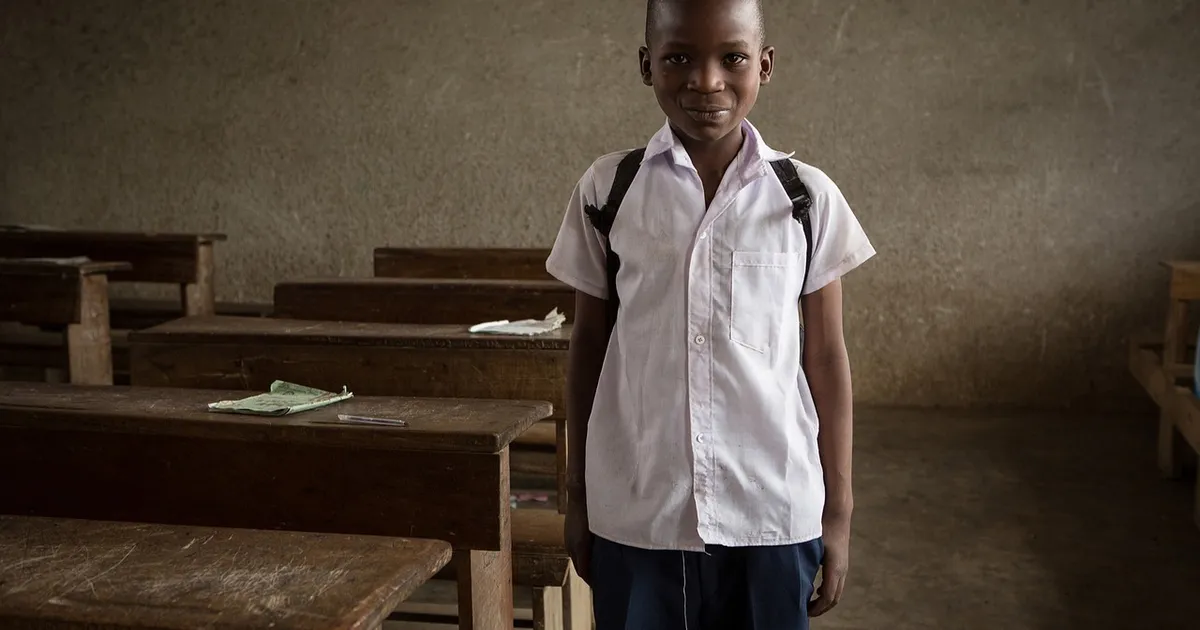
Photo: JhonDL, Pixabay Content License, via Pixabay (https://pixabay.com/photos/education-student-boy-classroom-3670453/)

 Fazlur Rahman