Pay anchors for the SRE ladder, United States, 2026 (Source: Glassdoor, PayScale and Indeed salary pages, read November 2026)
| Anchor | Reported figure | Report month |
|---|
| Glassdoor average total pay | $173,865 across 5,244 reports | November 2026 |
| Glassdoor median total pay | about $174,000 | November 2026 |
| Glassdoor senior SRE total range | $149,000 to $233,000 | November 2026 |
| Glassdoor base range | $115,000 to $170,000 | November 2026 |
| PayScale average base | $131,022 | November 2026 |
| PayScale entry total compensation | $86,471 | November 2026 |
| Indeed US average | $155,619 | November 2026 |
| Google listings on Indeed | $182,729 | November 2026 |
Compare base and total before you sign anything. Bonus and stock push totals tens of thousands above base on the senior run, so base-only quotes understate real annual value. Ask for both columns in every offer call and keep the higher one in your notes.
Panels lean on three signals. Cloud platform depth, observability design and on-call judgment top the Dexity prevalence table across ninety-eight ads, and interviewers use those three when judging readiness for larger incident scope. Anything else on your resume supports the case but rarely carries it alone.
Certifications matter most at the entry and mid rungs. A free AWS certification track and a free tech certification list give early candidates something concrete to show, and both links sit at the bottom of this guide. Pair credentials with a home incident drill so the story stays applied.
Kubernetes and Terraform complete the screening checklist. Seventy-eight percent and sixty percent prevalence makes tooling comfort expected rather than deciding; interviews probe how short you kept an outage, then which primitives you understood underneath. Practice both with one small personal stack you can narrate end to end.
How does on-call compensation work in 2026?
On-call is paid, not implied. A Dice compensation analysis published for 2025 priced structured on-call add-ons between $8,000 and $22,000 per year, with stipends of $400 to $900 per month during active rotation duty. Those figures make rotation history a compensation topic from the first screening call.
Rotation premiums add another layer where employers pay them. Programs using paid premium rates typically add ten to fifteen percent on top of salary, which explains why two similar titles differ in annual value without any band change. Read the program policy before you compare headline numbers.
On-call pay components, United States market (Source: Dice compensation analysis, 2025)
| Component | Measured range |
|---|
| Annual on-call add-on | $8,000 to $22,000 |
| Monthly rotation stipend | $400 to $900 |
| Rotation premium where paid | 10 to 15 percent of salary |
Ask for the rotation policy in writing. Weeks per cycle, paid hours per stretch and premium treatment belong in screenable text, because policy language doubles as evidence at the next compensation review. Keep your rotation log plain and dated, so it reads like evidence rather than a complaint.
Two employers can quote the same base and pay very different annual totals. Stipend months, premium percentage and rotation frequency stack into thousands, so model your year from the policy sheet instead of the offer page. The arithmetic takes minutes and catches the gaps most candidates miss.
How do top-rung pay anchors frame the ceiling?
Tracked Google offers anchor the ceiling the market quotes. Level-five packages reach about $409,000 in total compensation and level-six staff packages approach $555,000, per compiled offer-track data shared across salary forums in 2026. Stock weighting explains most of the distance between those figures and ordinary bands.
Ordinary 2026 postings band far lower. Dexity places United States SRE bands between $144,000 and $239,000 for 2026, and the Google rows describe stock-weighted outliers rather than typical hiring bands. Use the wide band when comparing offers from non-tech employers, which rarely reach the tracked stock-heavy outliers.
Adjacent specialties price close to the seat. The Global Skill Development Council puts 2026 medians at $155,000 for SRE work, $160,000 for cloud reliability, $150,000 for observability and $175,000 for AIOps, against $140,000 for DevOps. The whole cluster sits inside one band, so switching labels changes framing more than money.
2026 medians for SRE-adjacent specialties (Source: Global Skill Development Council 2026 salary report)
| Specialty | Median, US dollars |
|---|
| Site reliability engineering | $155,000 |
| DevOps engineering | $140,000 |
| Cloud reliability engineering | $160,000 |
| Observability engineering | $150,000 |
| AIOps engineering | $175,000 |
Attribution matters in comparisons. The Google rows quoted above price stock-heavy packages, not cash salary, so treat $409,000 and $555,000 as sequencing guides for the top of the market instead of booking rows. Panels negotiate the same way, which keeps the discussion grounded on the Glassdoor and Dexity tables instead.
How long does each rung on the ladder take?
Posting behavior supplies the timing. Most senior-tilted ads in the Dexity set cluster near five-year experience marks, so the honest reading treats the first five years as one arc from ticket work to incident command. Faster climbers compress the arc with documented incident improvements rather than tenure calendars.
Build the case one quarter at a time. A promotion file with three recorded service improvements, one clean error-budget call and a rotation record lands faster than any credential stack, because panels can verify each line against ticket systems. Keep the file current even before a promotion window opens.
Ladder timing also depends on employer scale. Big platform companies run defined leveling cycles, while smaller teams promote on need, so a move sideways can reset a calendar that evidence alone would have advanced. Ask about the leveling calendar in first calls, then plan the file around real windows.
The site reliability engineer career growth path ends in architecture seats, where the job changes. Staff engineers own error-budget policy, incident command across teams and tooling decisions instead of daily tickets, and tracked staff packages near $555,000 price that scope. Interviews there test judgment on a bad quarter.
Next steps for your site reliability engineer career growth path in 2026
Map your next rung this week. Pick the two signals from the prevalence table where you rank weakest, schedule one drill or certification for each, and draft the promotion file before the next rotation quarter starts. Compensation conversations go better when the evidence page exists first.
Anchor money talks to the named rows. The Glassdoor, PayScale, Dice and GSDC tables above carry months and sources, so any counter-offer discussion starts from public figures instead of adjectives. Bring the base-versus-total comparison sheet with you and keep both columns updated.
Three of this site's guides cover the adjacent steps: the free tech certifications for beginners list, the free AWS cloud certification track and the Google software engineer level 4 salary guide. Reading those three alongside this page covers the credential layer and the neighboring pay scales in one session.
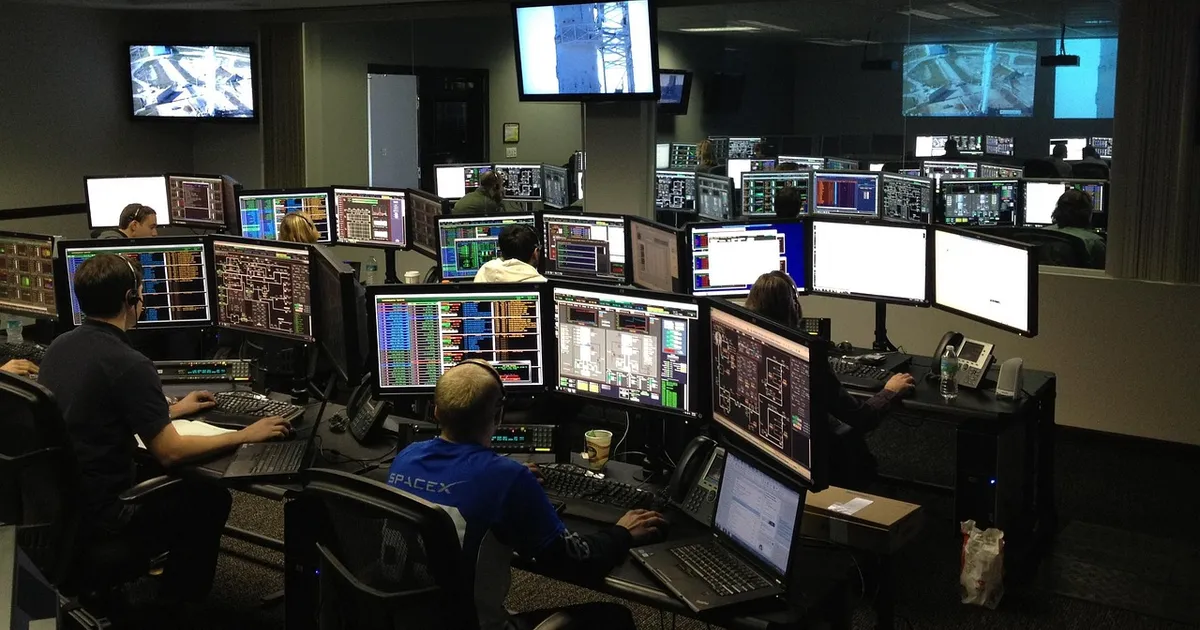
Photo: SpaceX-Imagery, Pixabay Content License, via Pixabay (https://pixabay.com/photos/space-center-spacex-control-center-693251/)

 Fazlur Rahman