The filter matters more than the brand: look for 20-25% zinc oxide or 6-10% titanium dioxide as the first active ingredient.
SPF 30 is the daily floor; SPF 50 if you are outdoors regularly. Anything above 60 mostly costs you money.
Fragrance-free on the front label is not enough — scan the ingredient list for denatured alcohol, menthol, and citrus oils.
Drugstore mineral sunscreen works as well as prestige for sensitive skin at roughly $3-$6 per ounce.
Tinted mineral formulas add iron oxides that block blue light and hide the white cast, at the cost of needing an oil-based remover.
Prices last verified October 2026. Sunscreen pricing moves with retailer promotions — check the current price before buying.
What actually makes a sunscreen safe for reactive skin
Sensitive skin reacts to a short list of things, and only two of them are the filter itself. The rest are preservatives, solvents, and fragrance compounds that have nothing to do with sun protection. That is why a $9 drugstore lotion can be kinder to your skin than a $50 prestige one, and why a $50 tube can be terrible.
The three levers to pull, in order of importance, are the active filter, the preservative system, and the fragrance load. Change those three and you have a version of the same product that behaves differently on a compromised barrier.
Common cause of stinging that gets blamed on the SPF
Mineral vs chemical: what the evidence actually supports
Mineral filters reflect and absorb UV at the surface; organic filters absorb it inside the stratum corneum. For a healthy 25-year-old in a mild climate, both deliver comparable SPF when applied properly. For someone whose barrier is already broken — rosacea, eczema flare, post-peel recovery, active dermatitis — mineral wins for two reasons: it does not generate the photochemical heat that organic filters create, and it avoids the free radicals those filters release.
Get more product guides & reviews reads in your inbox
One email a day — only posts tagged Product Guides & Reviews. No spam, unsubscribe anytime.
The honest counterpoint is that pure mineral sunscreens can feel chalky and dry out skin over a full day. That is a formulation problem, not a filter problem, which is why the practical answer is mineral filter plus a moisturising base rather than mineral only.
Attribute
Mineral (zinc/titanium)
Chemical (organic filters)
UV protection mechanism
Reflects and absorbs at skin surface
Absorbs UV within the outer skin layer
Feel on skin
Thicker, can be drying or chalky
Lightweight, silky, easier to layer
White cast
Noticeable untinted; minimal when tinted
None
Rosacea / eczema tendency
Usually well tolerated
Flares in a meaningful minority
Stinging risk
Low unless the base uses alcohol
Moderate to high
Fragrance-free options
Widely available
Available but less common
Five sunscreens reactive skin tends to tolerate
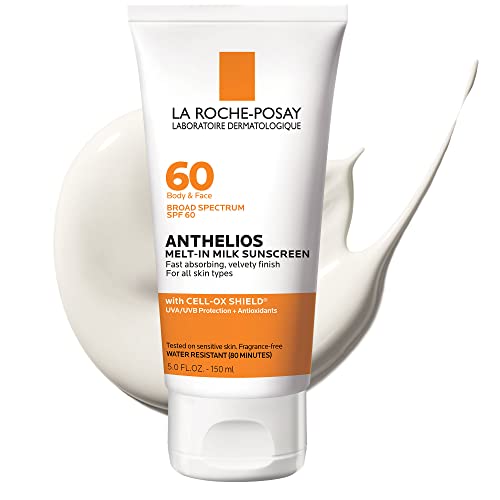
These are the five formulas we would reach for first, ordered by how often they come up for sensitive and rosacea-prone skin. Formulas get revised; check the current listing before buying.
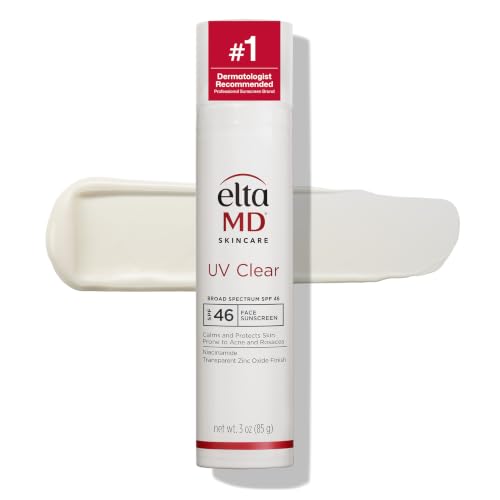
The formula dermatologists recommend most often for rosacea-prone and post-breakout skin. It is zinc-oxide based, carries niacinamide, and finishes clear enough to wear daily without a white cast.
A 100 percent mineral sunscreen engineered to rub in with far less white residue than most titanium-and-zinc formulas. The trade-off is price per ounce; it sits at the top of the mineral segment.
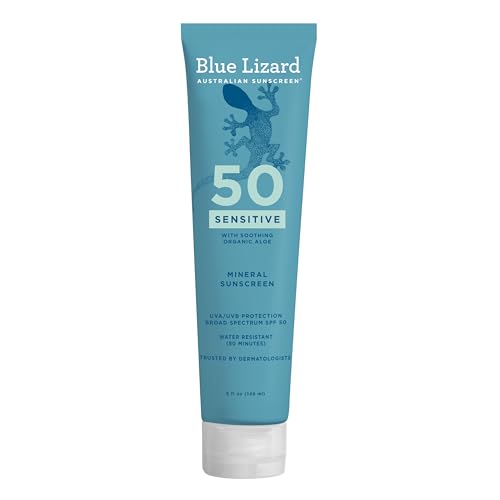
Zinc and titanium only, with no chemical actives and no fragrance. The bottle cap turns pink in UV light, which makes reapplication timing visible. The value pick of the five for body use.
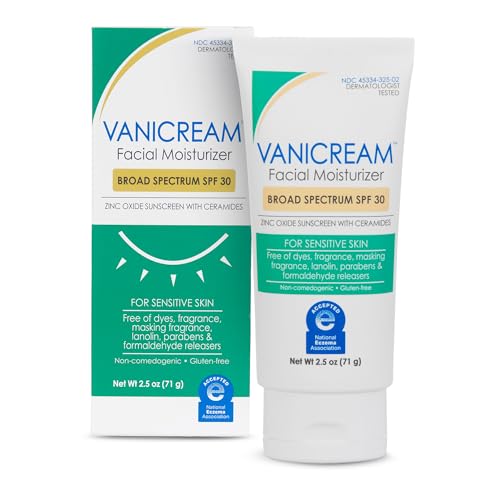
Built for the most reactive skin profiles: no fragrance, dyes, lanolin, parabens, or common preservative irritants. If even well-tolerated sunscreens sting, this is usually the next stop.
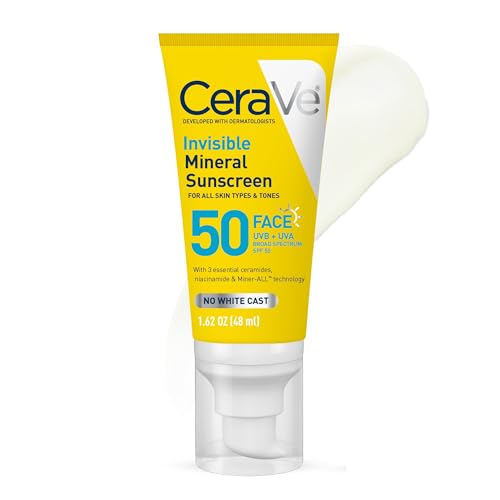
A mineral base with ceramides and niacinamide, so it doubles as a moisturizer for dry reactive skin. Widely stocked and usually the cheapest per ounce of the drugstore mineral options.
The price spread, and what the extra money buys
There is a genuine quality floor below roughly $3 per ounce — usually a high mineral load and almost nothing else. Above that, the step up to a mid-range pharmacy formula adds a better base texture and a proper preservative system. The jump from $25 per ounce to $35 per ounce buys prestige packaging and marketing, not protection.
Tier
Price per ounce (2026)
Typical size
What you get
Best for
Drugstore mineral
$3.00-$5.00
3-6 oz
20-25% zinc oxide, minimal extras
Everyday face use, tight budgets
Mid-range pharmacy
$6.00-$12.00
1.7-3 oz
Mineral or hybrid, niacinamide added, nicer base
Reactive skin that needs a barrier-friendly base
Tinted mineral
$10.00-$20.00
1.5-2 oz
Iron oxides for blue light and white-cast coverage
Post-acne marks, visible pigmentation
Prestige mineral
$20.00-$35.00
1-1.7 oz
Same filters, better texture, marketing
Those who want a pleasant finish and will pay for it
Body SPF 30+ mineral
$1.80-$4.00
11-18 oz
Bulk mineral lotion or spray
Arms, legs, neck, decolletage
Two practical money notes. First, a 3-ounce tube is about a two-month supply if you are using roughly 0.4 ounces a day for face and neck. Second, the biggest cost driver on any sunscreen is fragrance, and removing it costs the manufacturer almost nothing — so a more expensive product is not buying you a purer formula.
How to read the label without guessing
Turn the bottle over and read the active-ingredient list first, then the full inactive list, then the marketing. In that order you learn what the product does before what it claims.
Find the filter first. Zinc oxide needs to sit in the top of the active list. A label listing zinc oxide last means a trace amount, which is not a real sunscreen.
Confirm the concentration band. Roughly 20-25% zinc or 6-10% titanium delivers broad-spectrum SPF 30. Below that, broad-spectrum claims get thin.
Check for broad-spectrum wording. SPF alone measures UVB against sunburn. Broad-spectrum measures UVA too, which is what drives photoaging and melasma.
Scan inactive ingredients for the four usual suspects. Denatured alcohol first, then menthol or peppermint, then witch hazel or citrus oils, then fragrance-labelled compounds anywhere in the list.
Look for a moisturising base. Glycerin, hyaluronic acid, ceramides, squalane, and colloidal oatmeal all support a compromised barrier and reduce the dryness mineral sunscreens are known for.
Check the water-resistance claim. If you swim or sweat, you want 40 or 80 minutes of water resistance — but know that it needs a real reapplication, not a splash.
Layering with the rest of an active routine
Sensitive skin users usually run niacinamide, azelaic acid, or a low-strength retinoid. All three are compatible with mineral sunscreen, but the order matters. Sunscreen is the last skincare layer before makeup; everything else goes beneath it, and anything irritating goes on nights you are not applying the retinoid.
Active
Order
Notes for reactive skin
Niacinamide 4-5%
After cleansing, before sunscreen
Well tolerated at 5%; above 10% frequently causes flushing
Azelaic acid 10%
After cleansing, before sunscreen
Excellent pairing — reduces redness and post-inflammatory marks
Retinoid (retinol, retinal)
At night only
Peeling skin and mineral sunscreen is a stable combination; introduce the retinoid slowly
Vitamin C (L-ascorbic acid)
Morning, before sunscreen
Low pH formulas sting on compromised barriers — use an ascorbyl glucoside alternative instead
Hyaluronic acid
On damp skin, before sunscreen
Apply to damp skin and seal immediately or it can leave a tight film
What a bad reaction looks like, and when to stop
Two different things get called a sunscreen reaction. An irritant reaction is burning, stinging, and itching within minutes of application — usually a solvent or a high concentration of an active, and it stops when you wash it off. A contact allergy to a preservative or fragrance compound is a delayed type IV response: redness, swelling, and sometimes small bumps or hives that appear 24-72 hours later and persist until the trigger is removed.
Patch testing on the inner forearm for three days distinguishes them. Burning that starts immediately points at the solvent; a rash that shows up two days later points at a preservative or fragrance compound. If the reaction is a contact allergy, you need to identify the specific compound, which is what a dermatologist's patch testing does in a single session.
The short version
Buy a tinted or untinted mineral sunscreen whose first active is zinc oxide or titanium dioxide, priced between $3 and $12 per ounce, with no fragrance, no denatured alcohol, and no menthol. Apply a quarter teaspoon to face and neck every morning, reapply every two hours when you are outside, and pair it with a body mineral lotion for anything below the chin. That covers the whole decision without spending more than you need to.
As an Amazon Associate, Tutorsbot earns from qualifying purchases. Disclosure.
#best sunscreen for sensitive skin#mineral sunscreen for sensitive skin#fragrance free sunscreen#zinc oxide sunscreen#sunscreen for rosacea
Fazlur Rahman is the founder of Tutorsbot, building AI-powered tools for learning and career growth. He writes about applying AI in real products and the practi… Read moreShow less
Fazlur Rahman is the founder of Tutorsbot, building AI-powered tools for learning and career growth. He writes about applying AI in real products and the practical side of building an ed-tech startup.

 Fazlur Rahman