Fazlur Rahman
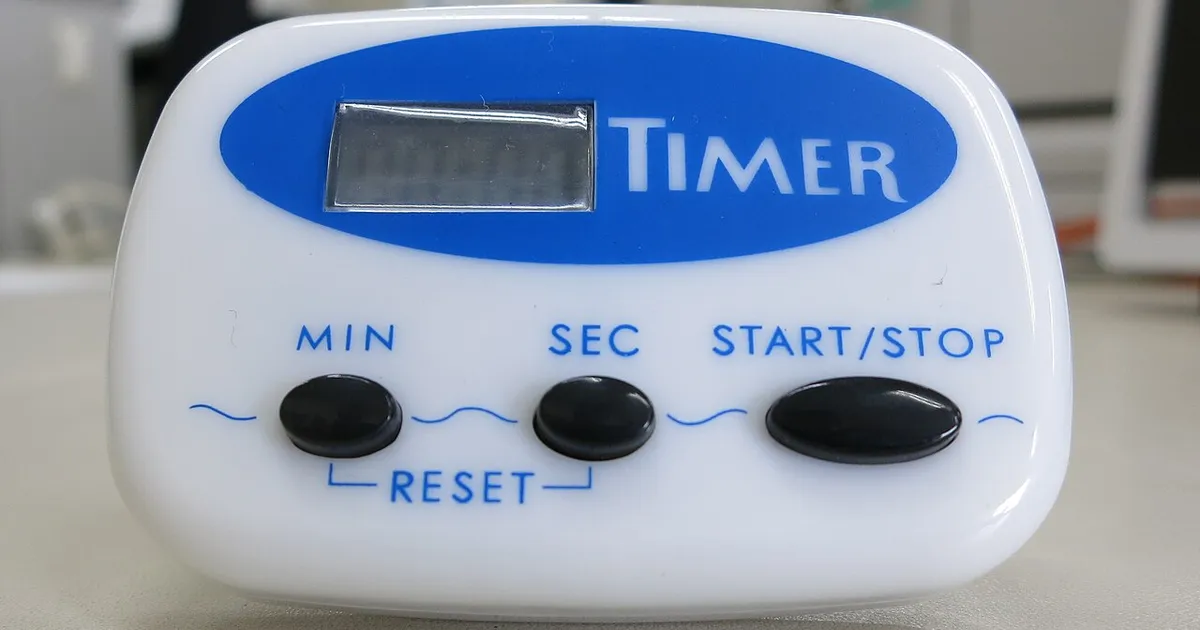
A visual timer for kids comes in two shapes. One shows a colored disc that shrinks. The other shows lights that change color. The right one depends on four things: dial length, sound switch, who sets it, and where it sits. The picks come from manufacturer specs and the reviews cited.
The spread runs from a 12-inch disc to a mini light box for hand washing. Below, you get the research first. Then a spec table for seven timers and a matrix that maps your situation to a pick. For older students, our guide to the best tablets for college students covers the screen side of study setups.
What actually makes a visual timer work for a child?
An occupational therapist, or OT, helps children with everyday skills. One wrote for Nurture ADHD in October 2026 about choosing a timer. Her five criteria decide most purchases. They cover time shown, sound handled, who sets the timer, dial length, and screens.
- Visible time - the child sees minutes disappear
- Silent or switchable alert - no sound unless you want it
- Child-settable - the child turns the dial alone
- Right dial length - the job fits the dial
- No screen - nothing glowing pulls the child away
A disc helps because of time blindness. Russell Barkley also calls it temporal myopia. A child with ADHD, meaning Attention-Deficit Hyperactivity Disorder, cannot feel five minutes pass. A 2019 review by Ptacek and colleagues found the same time estimation difficulties. A shrinking disc gives the minutes a shape.
Dial length matters more than most buyers expect. Five minutes on a 60-minute dial is a sliver, about 8 percent of the disc. A six-year-old may struggle to read it. A roundup from Karin Valk says most children cannot grasp fifteen minutes until age seven. Below seven, trust the dial over the words.
What does the classroom research actually show about visual timers?
A 2025 study put 44 children aged 7 to 9 through a timed maths test twice. Once with a visible timer and once without. The children with the timer showed less anxiety before the task began. Their maths scores did not change. The timer changed how children behaved, not how well they scored.