Protein bars run $1.50-$5 each. Store brands deliver 20 g of protein for $1.50-$2.00.
Compare on protein per 100 calories and cost per gram of protein, not protein per bar.
Maltitol is the sugar alcohol that causes the most gas. Bars listing it first are the ones to avoid if you are sensitive.
Buy in multipacks from the brand's own site — that is where 20-40% off actually happens.
Two bars a day is fine. Three or more usually means whole food is being displaced.
Prices last verified October 2026. Protein bar pricing swings hard with promotions — compare per-bar cost, not per-box sticker price.
How to compare bars, which is not by protein per bar
Protein per bar is the number on the front of the package and the least useful one, because it says nothing about what came with it. A 25-gram bar can be 300 calories of mostly maltitol or 210 calories of mostly protein, and those two bars are not remotely equivalent.
Three ratios do the sorting. Protein per 100 calories tells you how dense the bar is. Fibre grams tells you whether it will keep you full past the 30-minute mark. Cost per gram of protein tells you whether you are being charged a fair amount.
Bar type
Protein
Calories
Protein per 100 cal
Fibre
Cost per g protein
Sweetener used
Store brand, budget
20 g
210-230
9-9.5
5-8 g
$0.07-$0.10
Sugar, some maltitol
Bulk/membership direct
20-25 g
200-240
9-11
6-12 g
$0.06-$0.09
Mixed, usually erythritol
Mass-market mainstream
20-22 g
220-260
8-9.5
3-6 g
$0.12-$0.18
Sugar and maltitol
Premium clean label
18-22 g
190-230
8-11
5-10 g
$0.18-$0.28
Erythritol, monk fruit
Whole-food ingredient bar
10-15 g
180-220
5-7
4-8 g
$0.20-$0.35
Dates, honey, fruit
Low-carb/keto
15-20 g
180-210
8-11
8-14 g
$0.22-$0.40
Erythritol, monk fruit
Plant-based
12-18 g
180-230
7-9
5-9 g
$0.16-$0.30
Usually erythritol
The twelve, ranked
Ranked by value rather than by marketing, which produces an order that differs from most published lists because the budget end is where the good numbers are.
Get more product guides & reviews reads in your inbox
One email a day — only posts tagged Product Guides & Reviews. No spam, unsubscribe anytime.
Ranked lists drift with flavor-of-the-month releases, but five bars have held their slots for years because they do their job at five different price points and ingredient philosophies. Compare them on protein per bar, sugar, and what the calories actually buy, and the right one for you falls out quickly.
Bar
Protein
Sugar
Approx. calories
Best for
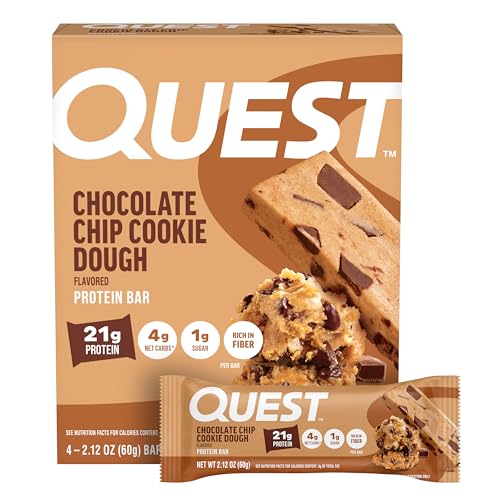
Quest Chocolate Chip Cookie Dough
20 g
1 g
200
Maximum protein, minimum sugar
RXBAR Chocolate Sea Salt
12 g
No added sugar
210
Short, whole-food ingredient list
Barebells Caramel Cashew
20 g
No added sugar
200
Taste first, no sugar alcohols
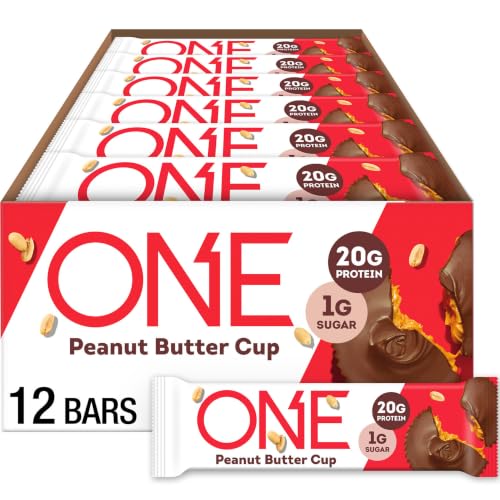
ONE Peanut Butter Pie
20 g
1 g
220
Per-bar price at 20 g protein
KIND Protein Dark Chocolate Nut
12 g
Varies by flavor
250
Whole nuts, food-first ingredient list
Quest Nutrition Chocolate Chip Cookie Dough: the protein benchmark
The Quest cookie dough bar is the one every newer bar gets compared to, because it set the template: 20 grams of protein against 1 gram of sugar in something that eats like a dessert. The texture is dense and chewy, which you either like or tolerate, and the protein comes from milk and whey isolate with soluble corn fiber doing the bulk work. It is the bar to buy when the numbers are the point.
RXBAR Chocolate Sea Salt Protein Bar: the clean label
RXBAR prints its core ingredients on the front of the wrapper, and the chocolate sea salt version is dates, egg whites, nuts, and a short list after that. The trade is honest: 12 grams of protein instead of 20, in exchange for an ingredient list you can read in one glance. The texture is chewier and stickier than a formulated bar, and the date base means it behaves like food rather than a supplement.
Barebells Caramel Cashew Protein Bar: the one people finish
Barebells built its reputation on texture, and the caramel cashew bar is the flavor that carries it: a genuine caramel layer and a milkshake-soft body, with 20 grams of protein and no added sugar. There are no sugar alcohols in the recipe, which is what usually separates the bars people finish from the bars people abandon in a desk drawer. Protein density per calorie is right at the top of the category.
The ONE bar matches the 20 grams of protein and 1 gram of sugar formula at a lower per-bar price than the category leaders, and the peanut butter pie flavor is the one that sells. The texture is softer and less dense than Quest, which some people prefer for snacking rather than meal replacement. On a cost-per-20-grams-of-protein basis it is usually the winner among the five here.
KIND Protein Dark Chocolate Nut Bar: the food-first pick
The KIND protein bar is the lowest-protein pick here at 12 grams, and it earns its slot differently: whole nuts are the first ingredient, the bar is gluten free by formulation, and it eats like a snack rather than a supplement. It is the right choice when you want protein to be part of what you are eating rather than the entire reason for it.
Taste, which no table can tell you
Taste is the factor most likely to end your purchase of an objectively excellent bar, and it is the one that cannot be predicted from a label. The general pattern is worth knowing anyway: bars with real cocoa tend to mask the taste of sweetener better than bars in other flavours. A chocolate bar that tastes of maltitol reads as bittersweet chocolate; the same sweetener in a peanut butter bar reads as chemical.
Texture splits opinion harder than flavour. Dense, chewy bars like the date-based whole-food ones are divisive — people either love them or find them like eating a brick. Whey-isolate bars are soft and cake-like and rarely disappoint. A common mistake is buying a multipack on the strength of the advertised flavour and discovering the texture does not match the expectation.
Flavour family
Texture
Best pairings
Common complaints
Best for
Cocoa
Soft, cake-like
Highest satisfaction across the board
Too sweet at reduced-sugar versions
Anyone starting out
Peanut butter
Chewy, dense
Very popular, strong nuttiness
Some brands are gritty or overly salted
Flavour-driven buyers
Cookie dough
Soft, crumbly
Pleasant for most
Artificial vanilla is obvious
Treat-style snacking
Berry and yoghurt
Soft
Refreshing, perceived as lighter
Often the most artificial-tasting
People who dislike chocolate
Mixed nut and honey
Very dense, sticky
Whole-food bars only
Texture is the issue, not flavour
Clean-ingredient buyers
What the label is telling you
Check the serving size and count. A bar listing two servings means you are paying per bar but getting half the protein unless you eat the whole thing at once.
Read the sweetener list. Maltitol and sorbitol cause the most digestive upset. Erythritol is tolerated by the large majority at normal doses. Monk fruit and steviol glycosides contribute almost no calories.
Look at total added sugars. Under 5 grams per bar is low, 5-10 is moderate, and over 12 means you are eating a dessert bar that happens to contain protein.
Note the fibre. A bar with 5+ grams of fibre will hold you far longer than one with 20 grams of protein and 2 grams of fibre.
Check the protein source. Whey isolate concentrates lactose and is not for dairy-sensitive users. Whey isolate, pea, rice, and egg white are the common sources, and they digest at different rates.
Look for third-party testing. Bars are a supplement-adjacent product with no regulatory requirement for accuracy. A NSF or Informed Sport mark means somebody checked.
Compare cost per gram, not per bar. A $4.25 bar with 25 grams of protein costs $0.17 per gram; a $1.79 bar with 20 grams costs $0.09. That comparison matters more than the sticker price.
Buying strategies that actually reduce the cost
Strategy
Typical saving
Catch
Brand-direct subscription
25-40%
Locked in; cancel reminders matter
Buying in bulk, mixed flavours
20-30%
You must actually consume them before they expire
Store brand rotation
30-50% vs premium
Texture varies; you need to find one you like
Warehouse club multipack
15-25%
Flavour choice is minimal
Seasonal clearance
40-60%
Unpredictable timing; limited stock
Shaking instead
40-60%
Less satiety, needs liquid and a shaker
The highest-value change most people can make is switching from two premium bars a day to one bar plus a shake. The protein arrives at half the cost, and the shake fills the volume gap that a bar cannot. That single substitution typically saves $25-$40 a month for the same protein.
The short version
Buy a store-brand or warehouse-club clumping bar at $1.50-$2.00 delivering 20 grams of protein and 5+ grams of fibre, and rotate flavours so you do not get bored. Avoid anything listing maltitol as the primary sweetener if you are digestively sensitive. If you are eating two a day, replace one with a shake and save 40-60% on your protein cost.
As an Amazon Associate, Tutorsbot earns from qualifying purchases. Disclosure.
#best protein bars#which protein bars are the best#protein bar comparison#low sugar protein bars#best tasting protein bar
Fazlur Rahman is the founder of Tutorsbot, building AI-powered tools for learning and career growth. He writes about applying AI in real products and the practi… Read moreShow less
Fazlur Rahman is the founder of Tutorsbot, building AI-powered tools for learning and career growth. He writes about applying AI in real products and the practical side of building an ed-tech startup.

 Fazlur Rahman