| Indicator | Latest reading | Period | What it means for a household |
|---|
| Consumer prices | 4.3% a year, up from 4.0% | September 2026 | Everyday prices are higher than a year ago |
| Automotive fuel | +23.6% a year, +9.4% in the month | September 2026 | A A$200 monthly bill would now be about A$247.20 |
| Rents | +3.6% a year | September 2026 | Rents are rising slightly faster than wages |
| Wage Price Index | +3.5% a year, +1.1% in the quarter | September quarter 2026 | Pay is not keeping pace with prices |
| Unemployment rate | 4.9%, up 0.1 point | October 2026 | Joblessness rose 0.1 point in a month |
| Employment | -43,500, or -0.3% | October 2026 | 43,500 fewer jobs in a month |
| Participation rate | 66.6%, down 0.2 point | October 2026 | A smaller share of adults was in the labour force |
| Cash rate target | 4.85%, raised on 3 November 2026 | November 2026 | Raised by 0.25 point on a 6-3 board vote |
| National housing prices | 4.7% below the March peak, as of September | November 2026 | The RBA calls it one of the steepest falls in 50 years |
| Real net household wealth | About 37% above pre-pandemic | November 2026 | Wealth is not the weak spot, the RBA says |
Checked November 2026 on the ABS releases and the RBA Statement on Monetary Policy.
Which households feel the squeeze hardest?
Different data hits different groups. Renters face rents up 3.6% a year, just above wage growth of 3.5%. Drivers face fuel up 23.6%. Jobseekers face unemployment at 4.9% and 43,500 fewer jobs. Borrowers face a 4.85% cash rate, with new lending falling sharply. People with more than one job rose from 6.5% to 6.9%.
Real wage growth 2026 by household type
The gap differs by employment type. Full-time adults averaged A$2,083.70 a week in May 2026, up 3.7%. All employees averaged A$1,579.20, up only 2.4%. Private sector wages rose 3.4% and public sector wages 3.9%.
What a 4.85 per cent cash rate means for variable mortgage repayments
The RBA raised the cash rate by 25 basis points to 4.85% on 3 November 2026. Three of the nine board members wanted to hold at 4.60%. The RBA judged financial conditions to be restrictive. The RBA says higher rates and tax changes helped push housing prices down. New housing lending has fallen sharply. A variable home loan usually follows the cash rate, so a hike usually lifts repayments. Check your own lender's notice for the exact change.
Next steps
Start with the RBA Statement on Monetary Policy for rates and housing. Then read the ABS price and wage releases for the pay against prices gap. The RBA reports that real household disposable income growth has slowed as the Stage 3 tax cuts faded. Read your own household off your payslip, rent notice and mortgage statement.
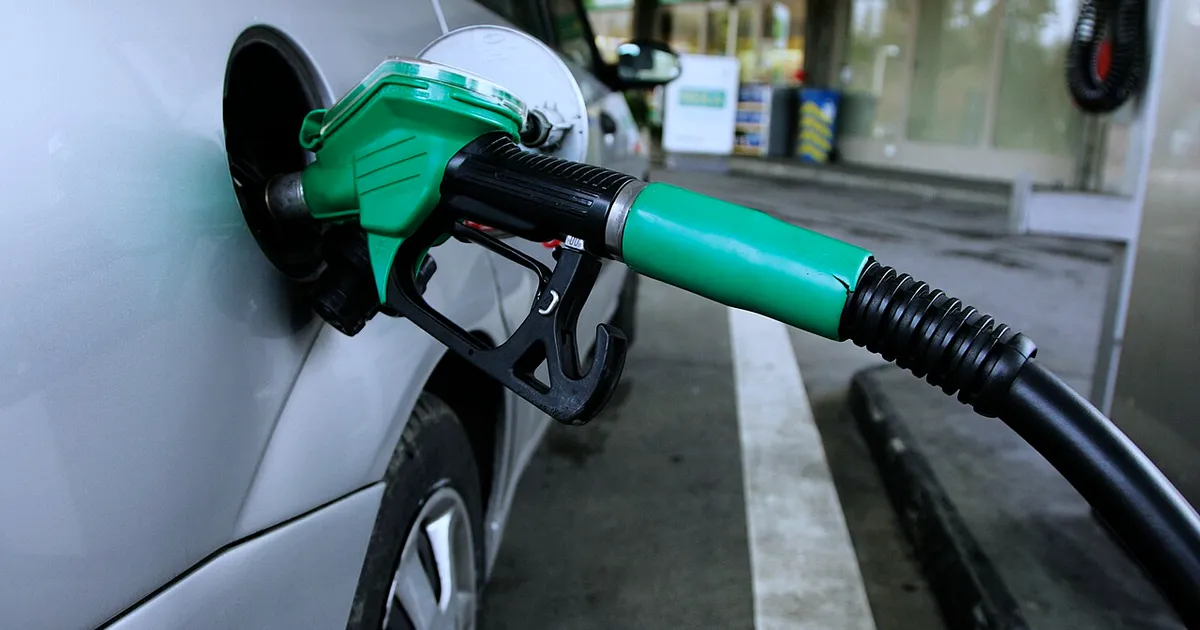
Photo: Rama, CC BY-SA 2.0 fr, via Wikimedia Commons (https://commons.wikimedia.org/wiki/File:Petrol_pump_mp3h0355.jpg)

 Fazlur Rahman