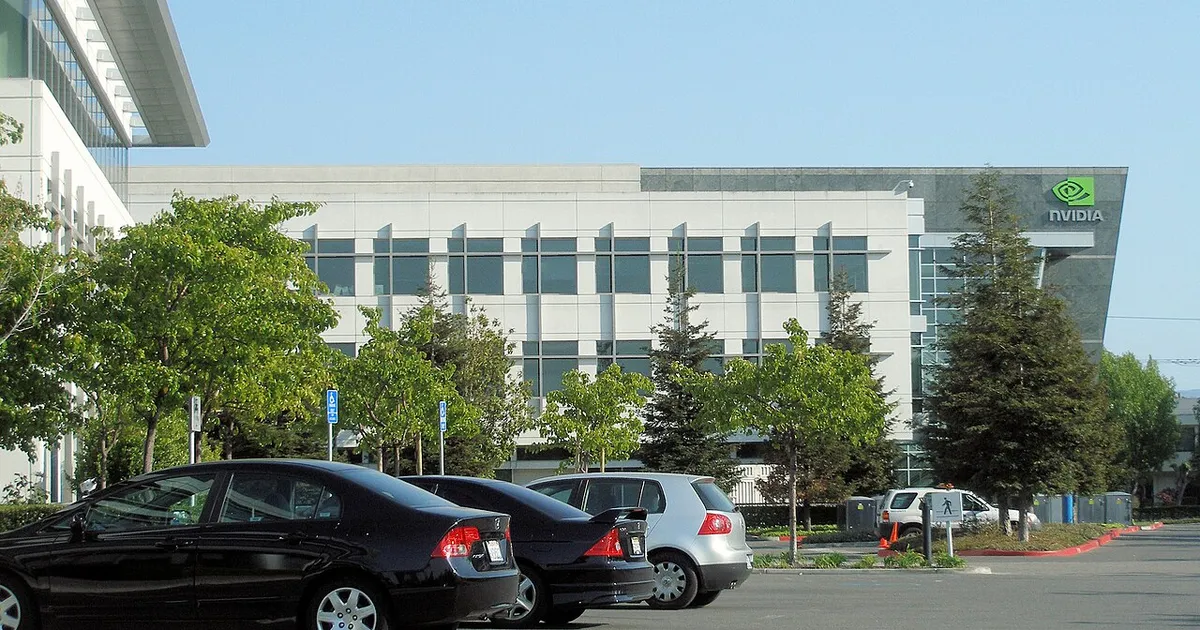
The AWS 2-million GPU deployment
The AWS 2-million GPU commitment is the largest disclosed single hyperscaler buildout. AWS is deploying an additional 2 million NVIDIA GPUs starting in the current quarter through Q2 FY2029, along with Vera CPUs. The expansion builds on AWS's already vast installed base of NVIDIA compute (Carson Group earnings call transcript, August 26, 2026).
AWS's NVIDIA spend is concentrated in Trainium and Inferentia silicon as well, but the 2-million-GPU commitment is the largest disclosed GPU buildout from a single hyperscaler. For neoclouds like CoreWeave and Nebius, the AWS scale-up increases the supply of alternative cloud capacity, which has historically pressured per-hour GPU rental rates on the secondary market.
What enterprise buyers should watch next
Three near-term datapoints.
- NVIDIA Q3 FY2027 earnings call (November 17, 2026): Will confirm whether Vera Rubin production is scaling to meet the implied 70% FY28 growth, and whether the AWS 2-million GPU deployment is on track.
- Goldman Sachs Communacopia + Technology Conference (September 10, 2026): Jensen Huang fireside keynote may surface next-generation product roadmap details.
- GTC Berlin (October 21, 2026): Jensen Huang keynote will likely surface European hyperscaler and sovereign AI infrastructure announcements.
What this means for the broader AI infrastructure market
The $1.3 trillion 2027 figure has implications well beyond NVIDIA. For GPU cloud buyers, the Vera Rubin rollout across 5 production partners means Blackwell Ultra pricing should ease over Q4 2026 as Vera Rubin absorbs the highest-priority workloads. For power and cooling infrastructure providers, the CapEx scale confirms a multi-year demand pipeline. For construction labor markets, the data-center buildout pipeline is the dominant driver of trade wage pressure (see the August 2026 construction unemployment story at 3.1%). For sovereign AI infrastructure builders, the scale validates the thesis that hyperscale AI infrastructure is the dominant capital deployment of the late 2020s (Motley Fool analysis, September 3, 2026).
For NVIDIA specifically, the supply ceiling is the constraint. The 70% FY2028 growth rate is what the supply chain can deliver, not what demand would absorb. Memory pricing pressure is the margin constraint. The Vera Rubin cycle is the productivity narrative. Each of these will be tested in the Q3 FY2027 print on November 17, 2026.

 Fazlur Rahman