If you are still working toward your nursing credential, our guide to CNA Certification Cost by State 2026: Programs and Fees explains the shorter route into healthcare work.
What does each course cover and how long do you study?
The American Heart Association lists the full BLS provider course at about 4.5 hours with breaks, including skills practice and skills testing. The BLS renewal class is a little shorter at roughly 4 hours. The online portion of the blended HeartCode BLS course takes about 1 to 2 hours, and you finish it with an in-person skills session.
The AHA lists its ACLS update course at 8.5 to 9.5 hours with breaks. That number does not include the extra hours most people spend learning heart rhythms before class, so set aside study time on top. A first time ACLS provider course runs longer than the update course because it adds the full skills practice.
Plan for one weekend of study before an ACLS class and one evening before a BLS class. If you are taking a blended course, the online module fits around shifts better than a full classroom day.
How does the skill check work?
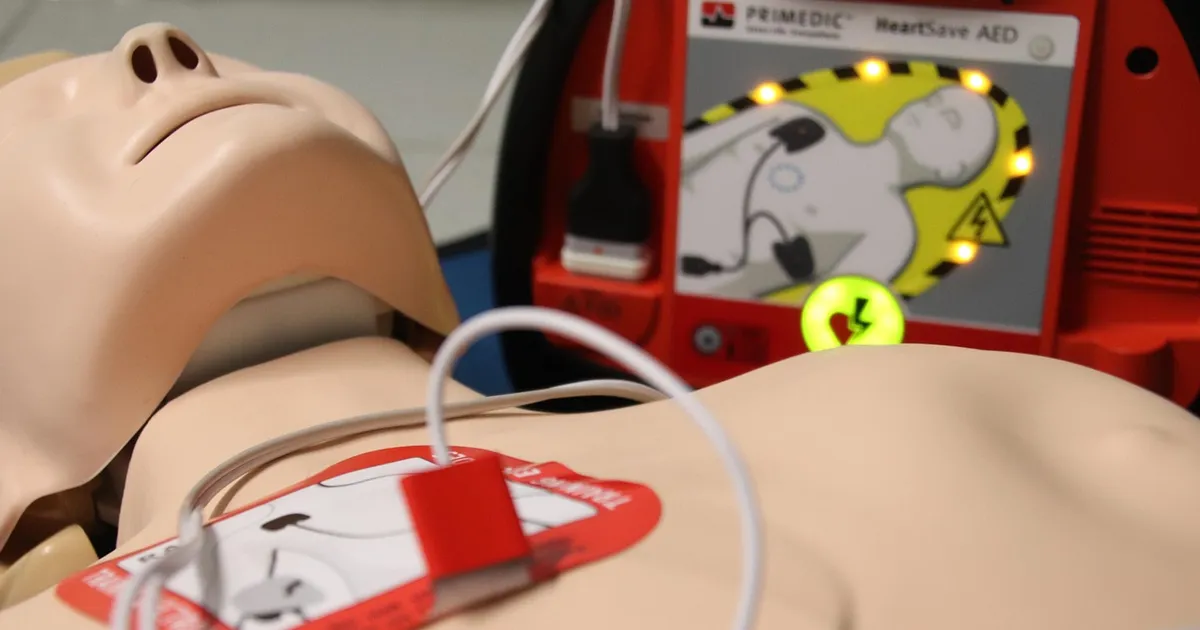
Both AHA provider courses end with two tests. The written exam covers the algorithms and the pharmacology, and the skills check puts you on a manikin with an instructor watching. For BLS you run a one-rescuer and a two-rescuer adult cardiac arrest scenario with an AED. For ACLS you add ECG rhythm recognition, a megacode team scenario, and medication decisions. Every critical step has to be done correctly, which is why practicing on a manikin before the day matters.
The American Red Cross also offers a BLS course for healthcare providers, and it issues a two-year certificate of completion. Red Cross notes that its classes may also be eligible for continuing education credit. Many employers accept either card, but some departments are specific, so check the name on your job offer.
How much does each certification cost in 2026?
The American Heart Association sells HeartCode BLS Online for $38 and HeartCode ACLS Online for $178 through its ShopCPR store. Classroom courses cost more because your local training center adds the instructor, the manikins, and the skills session. Those classroom fees vary a lot by region, so read the full breakdown on our ACLS Certification Cost 2026 Online: AHA Pricing page and our BLS Certification Cost 2026 Near Me: AHA Pricing page before you pay a training center.
One money-saving tip. If you need both cards, ask the training center whether it runs a combined calendar day, because you cover one trip and one missed shift instead of two. Buying both HeartCode online modules at the same time also spreads the study across a few weeks.
When do you need both cards and how do you renew?
You need both when you work where patients can arrest at any moment and you are expected to lead the response. That covers critical care, emergency, cardiac, and post-anesthesia nurses. Nurse practitioners and charge nurses on those units usually need the same pair. Pediatric-heavy units add PALS, which is a separate AHA course.
Renewal is every two years for both cards. The AHA prints the expiration date on the card, so book the renewal before that date, not after. A renewal class is shorter than the first provider course, and the AHA lists the BLS renewal at about 4 hours with breaks. If your card expires, most employers require you to repeat the full provider course, which costs more time and money. Settle acls vs bls certification once for your career, because both cards renew on the same cycle.
Credentials travel with you on the pay scale, and location matters more than the card. Our RN Salary 2026 by State: Top 20 List shows the state spread, and Best Laptops for Nursing Students 2026 covers the gear you need for online classes and exam prep.

 Fazlur Rahman