Fazlur Rahman

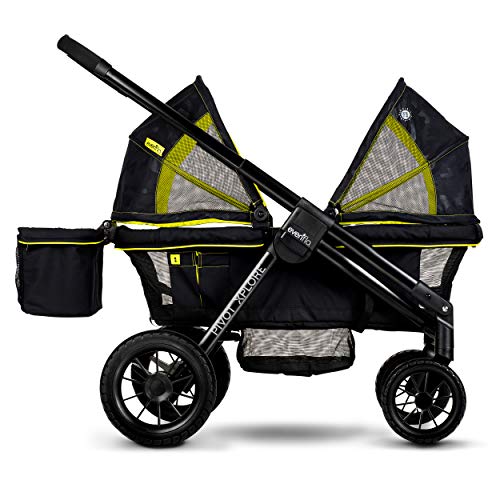
Double strollers have come a long way from the clunky side-by-side wagons of the early 2000s. The best models in 2026 push like a single stroller, fold with one hand, and accept infant car seats, bassinets, and toddler seats in the same frame. The right pick depends on whether you have twins, a toddler and a baby, or two toddlers, and whether you want side-by-side, tandem, or a jogging setup.
How to choose
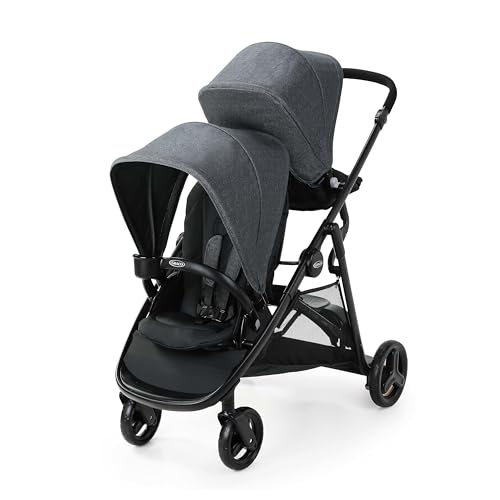
Start with the children. Twins of the same age usually do better in a side-by-side stroller because both have the same view and the same recline. A toddler and a baby usually do better in a tandem stroller because the baby can be in a car seat or bassinet at the back, with the toddler up front. Two toddlers in car seats work in either layout.
Next, look at the wheels. Three-wheel strollers with rubber tires and suspension push better over rough sidewalks and grass. Four-wheel strollers with foam or hard plastic tires are lighter and easier to fold, but rougher on uneven surfaces. Jogging strollers have a fixed front wheel and air-filled tires, which are the right call for running.
Side-by-side vs tandem in real use
Side-by-side strollers are 30 to 32 inches wide. They fit through most exterior doors but are tight on 30-inch interior doors. The push is balanced because the weight is even, and both children have the same view. The trade-off is that the canopy is smaller per seat, and the storage basket is divided.
Tandem strollers are 24 to 26 inches wide and fit every standard door. The back seat has a smaller canopy and less legroom, which is a problem for older children. The push is heavier because the weight is uneven, and the front wheel tends to lift when going over thresholds. The advantage is that one child can be in a bassinet or car seat at the back without disturbing the other.