Fazlur Rahman
Data last verified: November 2026. Every figure below was checked against a named source this month.
- The best vitamins for energy fix real nutrient gaps.
- B12 needs 2.4 micrograms daily for most adults.
- Iron needs jump to 18 milligrams for women 19 to 50.
- Food first, supplements only where intake runs short.
What are the best vitamins for energy in 2026?
The best vitamins for energy are the B vitamins, vitamin C, iron, magnesium and zinc, because those nutrients carry documented roles in turning food into usable fuel. The list comes from a Nutrients journal review of the biochemical and clinical evidence behind authorized fatigue claims.
One honest framing first: food is the only thing that provides energy in the physical sense, and no pill contains calories of vitality. Micronutrients matter because they sit inside the pathways that extract energy from what you eat.
The review's authors drew their shortlist from health claims actually authorized for fatigue and cognition, then graded the evidence. The B family spanning B1, B2, B3, B5, B6, B9 and B12 anchors the list, joined by vitamin C, iron, magnesium and zinc.
Supplementation already ranks among the most common stated reasons people take multivitamins, and the review treats that motivation seriously by asking when the science actually supports it. The rest of this guide walks each nutrient with verified amounts and sources.
How do B vitamins turn food into usable energy?
The eight B vitamins act as working parts in energy-yielding metabolism. Each one participates in reactions that release the energy stored in carbohydrates, fats and proteins, which is why inadequate intake of even one B vitamin can show up as tiredness before anything else does.
Europe and other regulators have authorized claims connecting several B vitamins to reduced tiredness and normal energy-yielding metabolism, and the review maps those claims to specific biochemical roles rather than marketing language. That is the strongest signal the family earns its reputation.
Practical translation for shoppers: a basic B-complex or a multivitamin covers the family at low cost, while megadoses of any single B vitamin add nothing once intake is adequate. The body uses what it needs and sheds the rest.
| Nutrient group | Documented role | Link to fatigue |
|---|---|---|
| B vitamins, eight forms | Energy-yielding metabolism cofactors | Inadequate intake tied to tiredness |
| Vitamin C | Metabolism support | Reviewed for fatigue outcomes |
| Iron | Oxygen transport | Deficiency anemia causes tiredness |
| Magnesium | Muscle and nerve function | Reviewed for fatigue outcomes |
| Zinc | Cellular function | Reviewed for fatigue outcomes |
Notice what the table does not claim. Vitamins do not create energy from nothing, and the review says so directly. They keep the machinery that makes energy running, which is why the phrase best vitamins for energy always deserves the footnote that food comes first.
Do vitamin C, magnesium and zinc add anything on their own?
The review included all three because regulators have authorized their fatigue-related claims, and the biochemical case for each is real. Vitamin C participates in metabolism, magnesium supports muscle and nerve function, and zinc underpins ordinary cellular work.
What the evidence will not say is that topping them up beyond adequate intake perks up a well-fed adult. Benefits concentrate where intake runs short, so these three ride as supporting cast behind B12 and iron rather than as headline fixes.
For shoppers that means checking labels rather than stacking bottles. A standard multivitamin usually covers all three at sensible levels, and isolated megadose products earn their price only when a test or a doctor has identified a specific shortfall.
How much vitamin B12 do adults actually need?
The National Institutes of Health Office of Dietary Supplements lists 2.4 micrograms per day as the adult recommendation for vitamin B12, rising to 2.6 micrograms in pregnancy and 2.8 while breastfeeding. Teens 14 to 18 share the 2.4 microgram adult figure.
B12 keeps blood and nerve cells healthy, helps make DNA, and prevents megaloblastic anemia, which the agency describes as a blood condition that makes people tired and weak. That description is the cleanest fatigue link any vitamin fact sheet offers.
Food sources cluster in animal products. Fish, meat, poultry, eggs and dairy carry B12 naturally, clams and beef liver are among the richest sources, and fortified cereals and nutritional yeasts cover plant-based diets because plant foods contain none without fortification.
Supplement forms abound, and the fact sheet is refreshingly blunt about them. Cyanocobalamin is the usual form, methylcobalamin and others exist, sublingual tablets dissolve under the tongue, and research has not shown any form works better than another.
| Life stage | Recommended daily B12 |
|---|---|
| Teens 14 to 18 | 2.4 micrograms |
| Adults | 2.4 micrograms |
| Pregnancy | 2.6 micrograms |
| Breastfeeding | 2.8 micrograms |
Doses in supplements often run to 500 or 1,000 micrograms, many times the recommendation, and the agency calls those amounts safe because the body absorbs only a small share. Paying extra for oversized doses buys very little extra absorption.
One absorption quirk explains a common frustration. Stomach acid must first free B12 from food protein before the body can take it up, so some people eat enough yet absorb little, which is exactly the case a doctor can sort out with a simple test.
Which mineral carries oxygen to your muscles?
Iron builds hemoglobin, the protein in red blood cells that carries oxygen from the lungs to every tissue, plus myoglobin, which supplies oxygen to working muscles. The body also needs iron to make certain hormones, so the mineral sits upstream of both stamina and temperature control.
When iron stores fall far enough, iron deficiency anemia arrives. The NIH fact sheet lists the symptoms plainly: weakness, tiredness, lack of energy, gut upset, and trouble with concentration and memory, alongside reduced ability to fight infections, work and exercise.
Certain groups run low more often. Teen girls and women with heavy periods, pregnant women, premature or low-birth-weight infants, frequent blood donors, and people with gut disorders or heart failure all make the agency's higher-risk list.
Vegetarians deserve a specific note. The fact sheet advises that people who eat no meat, poultry or seafood need almost twice the listed amounts, because the body absorbs the nonheme iron in plants less readily than the heme iron in animal foods.
| Group | Recommended daily iron |
|---|---|
| Adult men 19 to 50 | 8 milligrams |
| Adult women 19 to 50 | 18 milligrams |
| Adults 51 and older | 8 milligrams |
| Pregnancy | 27 milligrams |
| Vegetarians | about twice the listed amounts |
Pairing matters as much as dose. The same sheet advises eating plant iron with vitamin C sources such as citrus, strawberries, peppers, tomatoes or broccoli, which measurably improves absorption of the nonheme form.
What does subclinical insufficiency look like worldwide?
Frank deficiency diseases are rare in developed countries, but the review emphasizes that subclinical shortfalls are frequent worldwide. Its examples are stark: 68 percent of Mexican women fall below the estimated average requirement for folate, and 55 percent of Turkish adults fall below it for thiamine.
Those numbers explain why so many tired people test normal yet respond to better intake. The spectrum runs from obvious deficiency disease down to quiet insufficiency, and fatigue tends to appear on the quiet end first.
For American readers the review notes a gentler picture: most people get enough of most nutrients, but many individuals still fall below estimated average requirements, which is the population segment where a multivitamin actually has something to fix.
The pattern repeats across countries with different diets, which is why the review authors argue for screening intake rather than guessing. A week of honest food logging catches most of what a blood panel later confirms, at no cost at all.
How should you choose and dose a supplement safely?
Match the supplement to the gap. An iron-only product makes sense after a doctor confirms low iron, a B-complex covers the family at modest doses, and a standard multivitamin fills small shortfalls across the board without megadosing anything.
Iron supplements come as ferrous sulfate, ferrous gluconate, ferric citrate or ferric sulfate, and the agency requires a child-safety warning on iron-containing products because accidental overdose is a leading cause of fatal poisoning in children under six.
B12 supplements come as cyanocobalamin most often, with methylcobalamin, adenosylcobalamin and hydroxycobalamin alternatives, plus sublingual forms and prescription shots for treating true deficiency. Price the simple tablet first, because no form has proven superior.
| Supplement | Common forms | Safety note |
|---|---|---|
| Iron | ferrous sulfate, gluconate, ferric citrate | child-resistant packaging required |
| B12 | cyanocobalamin, methylcobalamin, sublingual | high doses considered safe |
| Multivitamin route | mixed formulas | covers small shortfalls |
One more safety habit belongs here. Tell your doctor about every supplement you take, because iron interacts with some medications and a B12 shortfall can masquerade as other conditions, so testing before high-dose supplementing protects you from treating the wrong problem.
Can food alone cover the best vitamins for energy list?
Usually yes, and the review says a varied, balanced diet rich in fruits, vegetables and dairy can supply the needed amounts. The obstacle is food choice and availability, not biology, which is why shortfalls cluster in real-world diets rather than in theory.
Build the plate around the verified sources. Clams, oysters, beef liver, fish, meat, eggs and dairy carry B12; lean meats, seafood, beans, lentils, spinach and iron-fortified cereals carry iron; and the citrus-and-peppers pairing multiplies plant iron absorption at almost no cost.
Fortified foods do quiet work in this story. Many breakfast cereals and nutritional yeasts carry added B12, and fortified grains carry iron, which is why a person who reads Nutrition Facts labels can often close a small gap without pills.
The multivitamin earns its slot as a floor, not a ceiling. Reviewers describe it as one of the most frequent supplement motivations, and the honest use case is insurance across a busy month, not a replacement for meals.
Next steps for your energy nutrient plan
Start with a seven-day food record before you buy anything. Mark where B12 and iron sources actually appear, because the record usually shows one clear gap, and a targeted fix beats a cabinet full of bottles guessed at in a checkout aisle.
Test before you mega-dose, especially iron. Fatigue has many causes, the NIH symptom lists overlap with other conditions, and a simple blood panel turns a guess into a plan your doctor can stand behind.
Then verify the amounts against the source sheets in this guide. The recommended figures here come from the NIH consumer fact sheets and the Nutrients review cited above, both checked this month, so keep the numbers beside your next supplement purchase.
Covering the rest of your routine helps too. Our guides to the best multivitamin for men over 50, the best supplements for vitamin D and the best omega-3 fatty acid supplements extend this same evidence-first approach to the bottles people most often pair with an energy plan.
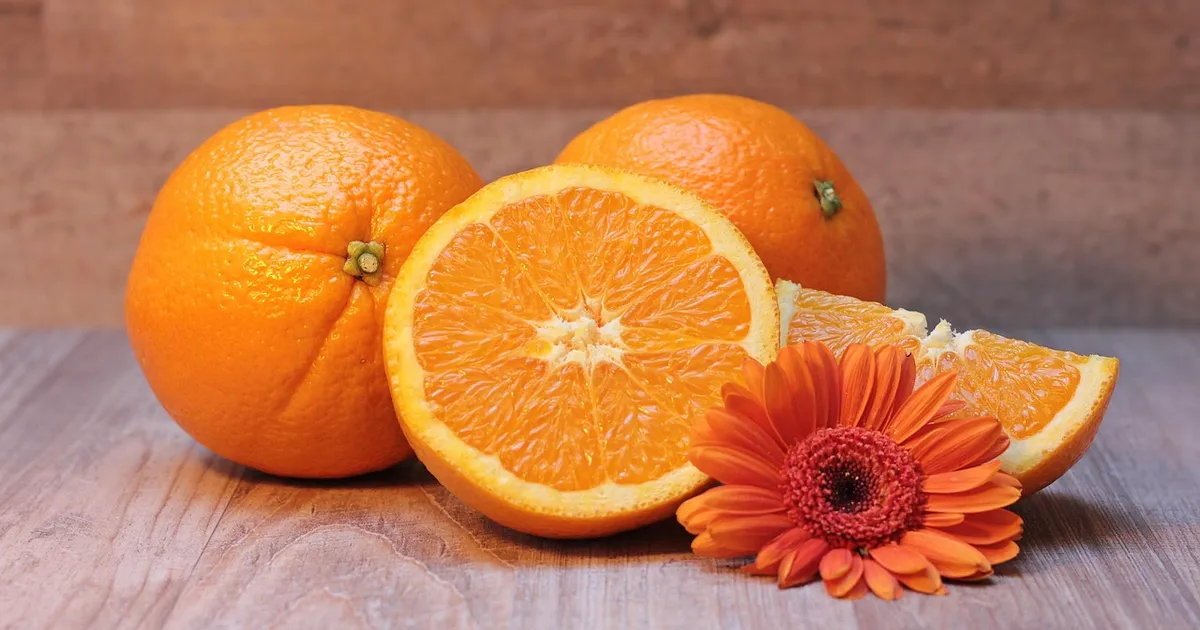
Photo: pixel2013, Pixabay Content License, via Pixabay (https://pixabay.com/photos/oranges-fruits-citrus-citrus-fruits-1995079/)