Get the estimate in writing and ask specifically what happens if the X-rays come back worse than expected. A clinic that cannot answer that has not planned for it.
Pre-anaesthetic bloodwork
Pre-anaesthetic bloodwork runs $80-$200 and is not optional in a healthy-looking dog — dental disease is common enough in older dogs that liver and kidney values frequently shift. It also lets the clinic adjust the anaesthetic safely, which reduces the risk of a dog underperforming on the table.
What you can do at home between cleanings
Brushing is the only intervention that demonstrably slows periodontal disease, and it takes under two minutes a day. The single most important variable is technique: angle the brush at 45 degrees along the gum line, and brush the inner surfaces — the tongue side of the upper teeth is where plaque hides and where most people skip.
| Home measure | Effect | Realistic impact |
|---|
| Daily toothbrushing with a dog brush | Removes plaque before it mineralises | The only measure that meaningfully delays the next cleaning |
| Vet-approved dental chews (VOHC plaque) | Mechanical plaque reduction | Modest; treat as a supplement, not a replacement |
| Water additive | Reduces plaque in the drinking water | Mixed evidence; low cost, no harm |
| Rawhide and hard treats | None | Do not rely on these — fracture and obstruction risk |
When extraction is genuinely the right call
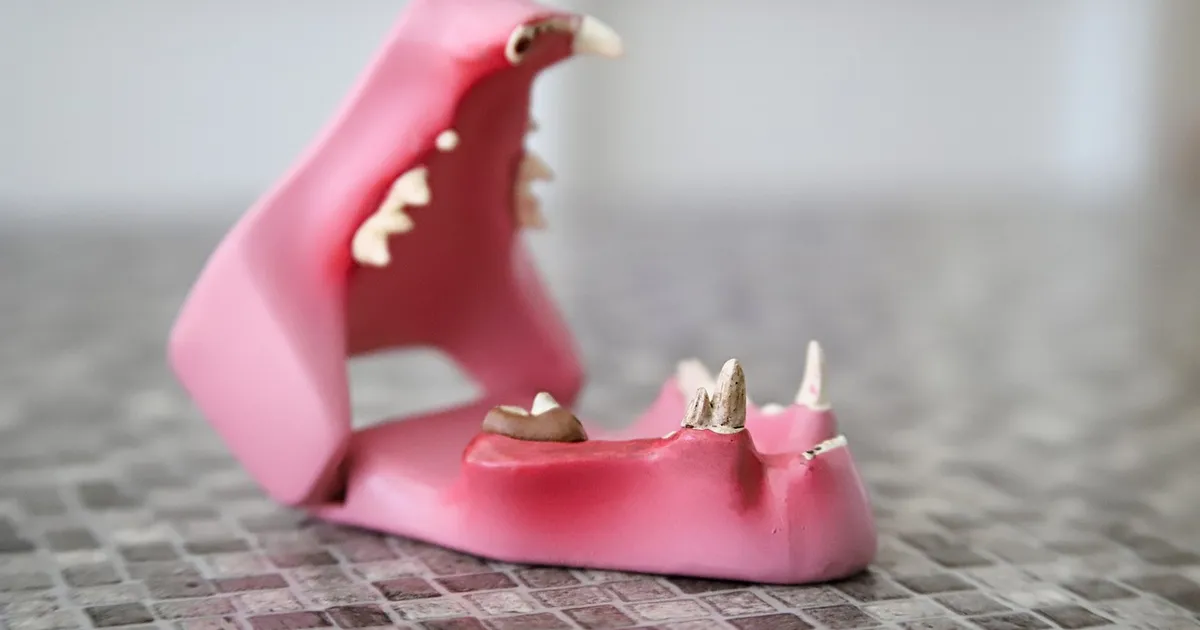
Veterinary dentistry is unusually prone to over-treatment, and it is worth knowing where the honest boundary is. Extractions are clearly indicated when a tooth is loose with visible bone loss, when the root is fractured, when an abscess is present, or when the tooth is broken at the gum line. In those cases the tooth is a source of ongoing pain and removing it is the treatment, not an add-on.
Marginal cases are where prices inflate. A tooth with moderate tartar and healthy gum tissue is a cleaning case, not an extraction case. If you are quoted six extractions on a dog whose teeth looked fine six months ago, ask for the X-rays and for the specific bone loss measurement on each tooth before agreeing. A cleaning alone will often resolve it.
| Finding | Correct treatment | Extraction justified? |
|---|
| Tartar above the gum line, healthy gums | Cleaning | No |
| Tartar at the gum line, early gingivitis | Cleaning plus a home brushing programme | No |
| Visible bone loss, loose tooth | Extraction | Yes |
| Fractured root or broken crown | Surgical extraction | Yes |
| Abscess, swelling of the face | Extraction plus antibiotics | Yes — urgent |
| Crown fracture without root fracture | Root canal or extraction | Case by case |
The one-month recheck matters
Ask whether the extraction sites will be rechecked. Most practices include a free post-op check within 7-14 days, and it is the single best predictor of a smooth recovery — an infection caught at day ten is a short course of antibiotics, while one caught at day thirty can mean a second surgery. For a dog that has lost several teeth, ask about soft food for two weeks and whether pain relief beyond the standard 72 hours is warranted; multi-tooth extractions are meaningfully more painful than a single one, and standard post-op dosing under-doses them.
Avoiding the dental bill entirely
The cheapest dental procedure is the one you do not need. Two habits do most of the preventive work, and both are free: brushing daily with a dog-specific brush, and treating any broken tooth immediately. A chipped molar is the most common reason a dog ends up under anaesthesia, and a break caught in week one is often a smooth dental bonding rather than a surgical extraction.
Resources and next steps
Book an exam rather than a cleaning first — most vets charge $50-$120 for a dental assessment that includes a visual probe of the gum pockets and gives you a realistic estimate. If the answer is 'extractions needed', ask for X-rays before agreeing to anything, and get the per-tooth price in writing.
Photo: mirkosajkov, Pixabay Content License, via Pixabay (https://pixabay.com/photos/teeth-jaw-model-health-dog-animal-4939613/)

 Fazlur Rahman