Surface prep: the part that actually drives the result
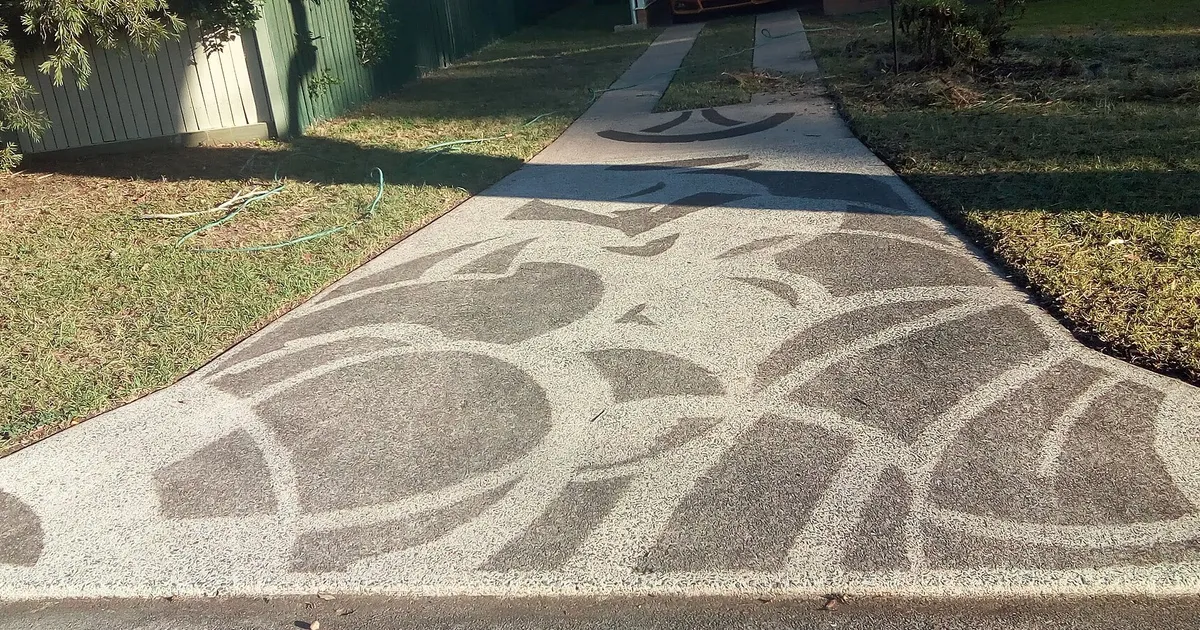
Every coating system on the market will fail prematurely if the concrete is not properly prepared. The industry standard is diamond grinding, which uses industrial diamond discs to profile the concrete to a CSP 3 to 4 finish. CSP stands for Concrete Surface Profile, a standardized scale from 1 to 9 that describes how rough the concrete feels. CSP 3 to 4 is the profile that lets epoxy bite into the surface rather than sitting on top of it. The cheaper alternative is acid etching, which uses muriatic acid to open the pores of the concrete. Etching works, but it is less consistent than grinding, which is the main reason DIY kits with etching last 3 to 5 years while pro installs with grinding last 15 to 20+.
The other prep steps matter just as much. Degrease oil spots with a concrete degreaser a day before grinding. Patch cracks wider than a hairline with an epoxy patching compound and let it cure fully before coating. Vacuum everything thoroughly after grinding. Skipping any of these steps is how DIY installs end up peeling within 1 to 3 years, per the failure data the Concrete Decor survey keeps collecting.
DIY water-based epoxy: tight budget
A DIY water-based kit from Rust-Oleum EpoxyShield, Quikrete, or a similar brand runs $200 to $500 for a 2-car garage in 2026, including the epoxy, decorative chips, and application tools. The install takes 1 to 2 days of work, then 3 to 7 days of cure before foot traffic and 7 to 14 days before you can park a car. Lifespan is 3 to 5 years before peeling or yellowing, especially under hot tires or in direct sunlight.
The strengths: cheapest option, fast install, accessible to most homeowners. The weaknesses: thin finish, shorter lifespan, the included prep is acid etching rather than grinding. This works if the budget is the priority and you can commit to re-coating every few years.
DIY 100% solids epoxy: mid lifespan
A DIY 100% solids kit runs $500 to $1,200 for a 2-car garage in 2026. The install takes 2 to 3 days across prep, base coat, and top coat, then 5 to 7 days of cure before foot traffic and 7 to 14 days before parking. Lifespan is 8 to 12 years with proper prep, which makes this the sweet spot for handy homeowners.
The strengths: thicker and more durable than water-based, two to three times the lifespan, achievable on a weekend with a rented grinder. The weaknesses: the prep work is the most common failure point, and a skipped grind will peel within 1 to 3 years. This is the right pick if you are committed to renting a grinder and following the cure schedule.
Pro 100% solids epoxy: best long-term value
A professional 100% solids install runs $5 to $7 per square foot in 2026, or about $2,000 to $4,200 for a typical 2-car garage. The install takes 2 days: day one for diamond grinding and crack repair, day two for the base coat, top coat, and decorative chips. Cure time is 3 to 7 days before light use. Lifespan is 15 to 20+ years, and most contractors offer a 5 to 10 year warranty on the install.
The strengths: longest realistic lifespan, professional grinding, thick build, warranty. The weaknesses: 2-day install, 3 to 7 day cure, the spread between contractors on the same job can hit 30% to 60%. This is the right pick if you want a 20-year floor and can plan around a week of no parking.
Pro polyaspartic: fastest cure
Pro polyaspartic runs $6 to $12 per square foot in 2026, or about $2,400 to $7,200 for a 2-car garage. The full install happens in one day and the floor cures in 24 hours, so you can park the next morning. Lifespan is 15 to 20+ years, and the finish is UV-stable, so it does not yellow over time.
The strengths: one-day install, 24-hour cure, no yellowing, slightly more flexible than epoxy. The weaknesses: highest price tier, fewer contractors offer it, the spread between quotes can hit 40% to 80%. This is the smart play if you need the garage back in 24 hours and can absorb the price.
Pro epoxy flake system: decorative
An epoxy flake system, sometimes called a chip system, runs $5 to $9 per square foot in 2026, or about $3,000 to $5,400 for a 2-car garage. The install is similar to a 100% solids install, with decorative vinyl chips broadcast into the base coat to create a granite-like finish that hides small cracks and adds slip resistance. Lifespan is 15 to 20+ years.
The strengths: hides imperfections, slip-resistant, full lifespan of a 100% solids system. The weaknesses: chips can wear in high-traffic lanes, the spread between contractors can hit 30% to 60%. This is the right call if you want a decorative finish and want flaws to disappear.
How to pick the right option
What works depends on budget, DIY comfort, and how long you plan to stay. Tight budget and willing to re-coat in a few years: DIY water-based at $200 to $500. Handy and want a decade-plus lifespan: DIY 100% solids at $500 to $1,200. Best long-term value with a 15 to 20 year lifespan: pro 100% solids at $2,000 to $4,200. Fastest cure and a one-day install: pro polyaspartic at $2,400 to $7,200. Decorative finish with the same lifespan: pro flake at $3,000 to $5,400. Across every option, the rule that matters most is to budget for thorough diamond grinding, because prep drives roughly 70% of how long the floor lasts.
The bottom line
Garage floor epoxy in 2026 runs $200 to $7,200 for a 2-car garage depending on the system. For most homeowners, pro 100% solids epoxy at $5 to $7 per square foot, around $2,000 to $4,200, is the smart move because it delivers a 15 to 20 year lifespan at the lowest total cost over time. For the fastest cure and a one-day install, pro polyaspartic at $6 to $12 per square foot costs more but lets you park the next day. For a tight budget, DIY water-based at $200 to $500 works, but expect to re-coat every 3 to 5 years. Whatever you pick, insist on diamond grinding in the quote. It is the single step that separates a 20-year floor from a 3-year peel.
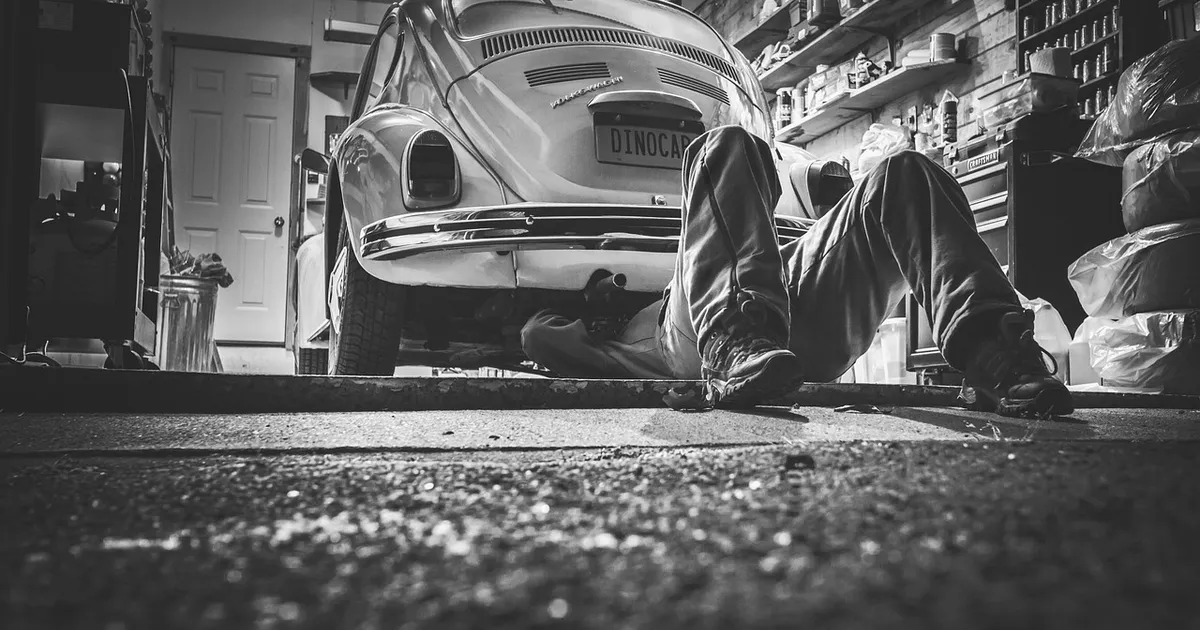
Photo: RyanMcGuire, Pixabay Content License, via Pixabay (https://pixabay.com/photos/man-car-repair-car-repair-362150/)

 Fazlur Rahman