Free and Subsidized Programs
Most regions have subsidized neuter programs. The ASPCA and the Humane Society of the United States both maintain searchable databases of low cost clinics by ZIP code. Many municipal animal shelters and county animal control agencies run monthly voucher programs that cover the full cost of a neuter for low income families. The application is usually a short form with proof of income, and the voucher is honored at participating clinics. National chains such as PetSmart Charities host regular in store clinics where dogs can be neutered for 50 to 100 dollars. Breed specific rescues, including many breed rescue groups, organize monthly transport days where they bring dogs to a partner clinic for a deeply discounted surgery.
Why Neutering Your Dog Is Worth the Cost
Neutering a male dog before sexual maturity reduces the risk of prostate disease, eliminates the risk of testicular cancer, and curbs unwanted behaviors such as marking, roaming, and aggression toward other male dogs. Spaying a female dog before her first heat cycle reduces the risk of mammary cancer by more than 90 percent and eliminates the risk of pyometra, a life threatening uterine infection. A single litter of puppies can cost more in food, vaccinations, and deworming than the neuter surgery itself, and the cost difference between a neutered dog and a dog that has had two or three litters is significant. The procedure also helps reduce the number of unwanted dogs in shelters, which is a serious problem in the United States.
How to Prepare for the Surgery
Most clinics ask that the dog fast for 8 to 12 hours before surgery, which means no food after midnight the night before the appointment. Water is usually allowed up to 2 hours before check in. Bring any previous medical records, especially vaccination history and any medications the dog is taking. Drop the dog off in a secure leash and collar or a carrier, and let the clinic know if the dog has had any recent illness, vomiting, or diarrhea. Plan to pick the dog up in the late afternoon, and set up a quiet recovery area at home with a clean bed, fresh water, and a small amount of food. Keep other pets separated for the first 24 hours and check the incision twice a day for redness, swelling, or discharge.
Recovery and Post Op Care
Most dogs recover from a routine neuter in 7 to 10 days. The clinic keeps the dog for a few hours after surgery for monitoring, and most dogs go home the same day. Owners should keep the dog indoors, restrict jumping and rough play, check the incision daily for swelling or discharge, and give pain medication as prescribed. The stitches are usually removed or dissolved within 10 to 14 days, and a follow up appointment is often included in the original price. Call the vet if the incision is opening, if there is significant swelling or discharge, if the dog is lethargic for more than 48 hours, if the dog refuses to eat for more than 24 hours, if the dog is vomiting repeatedly, or if the dog is unable to urinate. Most neuter surgeries have a complication rate below 2 percent, but prompt attention to any warning sign is the best way to keep a small issue from becoming a bigger one.
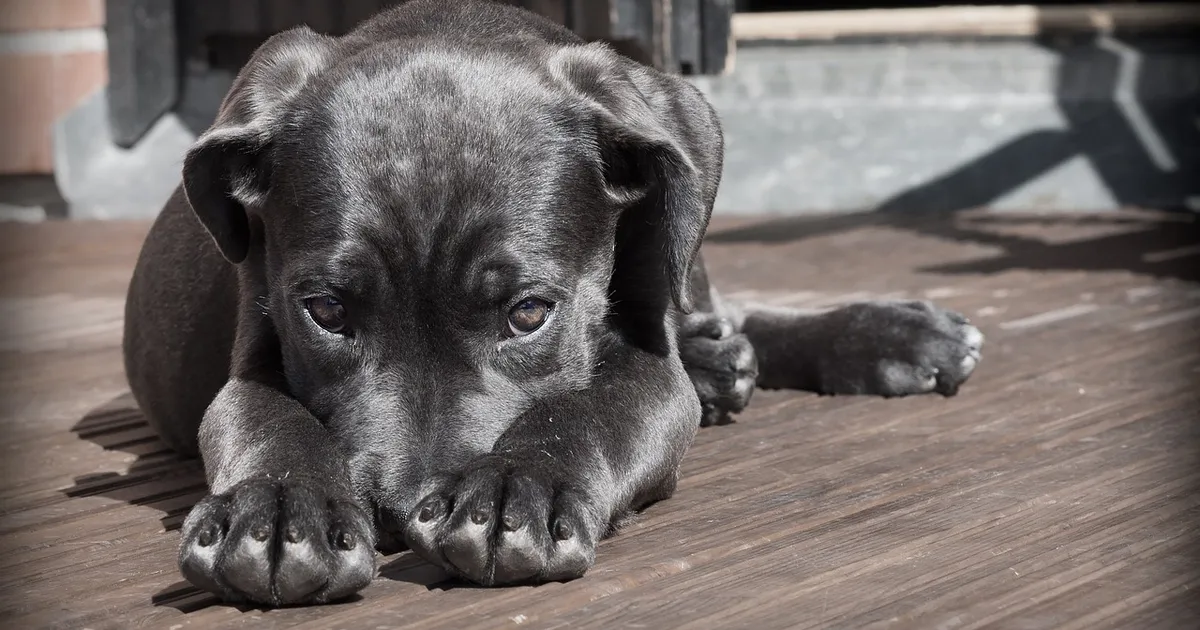
Photo: Winsker, Pixabay Content License, via Pixabay (https://pixabay.com/photos/dog-puppy-pet-black-dog-animal-423398/)

 Fazlur Rahman