None of that is guaranteed in the base rate, so treat it as upside rather than income when you compare two offers.
What benefits do FedEx Express couriers get?
Couriers get the employee package, not the contractor one: a 401(k) match, tuition reimbursement, paid leave and health coverage. A FedEx Courier job posting for a DOT-10 route lists 401(k) matching of up to 8 percent and tuition reimbursement of up to $5,250 a year.
The FedEx Hiring and Development page confirms tuition reimbursement of up to $5,250 a year with no lifetime cap, covering degrees, certificates and trade programs.
Other benefits include paid time off of up to five weeks, ten paid holidays, medical, dental and vision plans, parental leave, an employee stock purchase plan discount and confidential support through an employee assistance program.
Some benefits carry waiting periods or hours thresholds, and part-time couriers usually qualify for fewer of them. Check the eligibility rules for your own status before you rely on a benefit.
One structural detail matters: package handlers and couriers are enrolled automatically in the 401(k) after one month of service once they turn 21.
The cost of those benefits is easy to miss when you compare a courier offer with a contractor route. A 401(k) match of 8 percent on $21 an hour is worth about $1.68 for every hour worked, before any employer contribution to health cover.
Benefits listed for Express couriers in 2026| Benefit | What the 2026 postings say | Notes |
|---|
| 401(k) match | Up to 8 percent of eligible pay | Automatic enrolment after one month of service at age 21 |
| Tuition reimbursement | Up to $5,250 a year | No lifetime cap, degrees, certificates and trade programs |
| Paid time off | Up to five weeks | Terms vary by tenure and work status |
| Paid holidays | Ten paid holidays | Premium pay for work on a holiday |
| Medical, dental, vision | Plan options with preventive care at no cost | Eligibility thresholds apply to part-time staff |
| Employee stock purchase plan | Discount on stock purchases | Enrolment windows apply |
How does FedEx Express courier pay compare with FedEx Ground drivers?
Express couriers are employees on an hourly rate, while FedEx Ground drivers usually own the truck and take a day rate. That single difference decides the pay comparison.
Ground service providers commonly run $150 to $225 a day for a route of 130 to 140 stops, and they cover fuel, insurance, maintenance and tax themselves with no benefits attached.
An Express courier earns a posted hourly rate with benefits, overtime and paid leave built in, so the two pay paths need different maths to compare honestly.
A separate guide compares the two networks side by side, including what a Ground route costs once fuel and upkeep come out.
How does courier pay compare with the national wage benchmark?
The BLS Occupational Employment and Wage Statistics program puts light truck drivers at a $21.57 median hourly wage, and courier pay sits around that line. The May 2025 national median for that occupation was $44,860 a year.
Heavy and tractor-trailer drivers pull more, with a $28.19 median, while the broader courier and messenger group sits at $18.85 an hour (Bureau of Labor Statistics, May 2025).
Those figures cover employees only, and they leave out overtime, route bonuses and holiday premiums. A working Express courier's pay cheque usually lands above the published median.
The comparison that matters most is with the local truck-driving market, because a courier competes for the same working hours as anyone else on the road.
Median hourly wages for related US jobs (Bureau of Labor Statistics, May 2025)| Occupation | Median hourly wage |
|---|
| Driver and sales workers | $18.64 |
| Couriers and messengers | $18.85 |
| Light truck drivers | $21.57 |
| Heavy and tractor-trailer truck drivers | $28.19 |
| First-line supervisors of transportation | $30.24 |
How much do FedEx Express couriers earn per week and per year?
A courier at $21 an hour on 40 hours a week brings $840 gross before overtime and bonuses. Many Express routes run four ten-hour days, which puts a full-time week at 40 hours without extra shifts.
At $18 an hour the same week is $720, and at $30 an hour it is $1,200. Annualised over 52 weeks, those rates run from $37,440 to $62,400 before extras.
Overtime adds more. Eight hours of time and a half at $21 an hour is $252, so a 48 hour week can push a courier past $1,000.
The take-home number is lower after tax, benefit deductions and the cost of getting yourself to the hub each shift.
Scheduling shapes those numbers. Four ten-hour days suit couriers who want weekends free, while part-time couriers often work a single split shift on weekends or evenings for a lower weekly total at the same hourly rate.
Gross earnings for an Express courier at four posted rates| Hourly rate | 40 hour week | 48 hour week with overtime | Annualised at 40 hours |
|---|
| $18 | $720 | $936 | $37,440 |
| $21 | $840 | $1,092 | $43,680 |
| $26 | $1,040 | $1,352 | $54,080 |
| $30 | $1,200 | $1,560 | $62,400 |
What does the job involve and what do you need to apply?
Couriers drive a FedEx van on a set route and need a clean driving record, a medical certificate and patience with safety rules. Most postings are titled by safety classification, DOT-2 or DOT-10, which reflects how the vehicle is used.
You also need to be at least 21, pass a background check and motor vehicle record screening, and complete a medical exam for safety-sensitive positions.
The work is route-based: a start time, a set number of stops and a depot return. Four ten-hour days is a common full-time pattern, and some routes begin well before dawn.
Bring presentation as well as driving. Courier pay includes customer contact, claims handling for damaged shipments and route problem solving when something goes wrong mid-shift.
The van, the fuel and the maintenance sit with FedEx for an employee courier, which is the largest cost difference against a contractor route. Weather still shows up in the work, and so does the pressure of meeting a stop count on a tight timetable.
How do you get hired as a FedEx Express courier, and what comes next?
Apply to a specific route posting rather than a general driver listing, and expect paid on-road training before you run a route alone. FedEx Courier job posting ads open by city, and each one names the pay range for that operation.
The hiring process usually covers an application, a background and driving check, a vehicle fitness test and a training period on the route with an experienced courier.
Inside the company, couriers move up the scale, take on specialist routes such as airport or international service, and step into dispatch and supervisory roles.
Ask two things before you accept: the exact route type and shift, and how your scale step is set for your start date.
Part-time couriers can move onto a full-time route when one opens, and FedEx has said that existing employees get first call on new openings. Applying early and asking for a start date on the current scale both improve the offer.
Next steps
Compare the posted range for a specific city and route before you apply, and treat bonuses as upside rather than base pay.
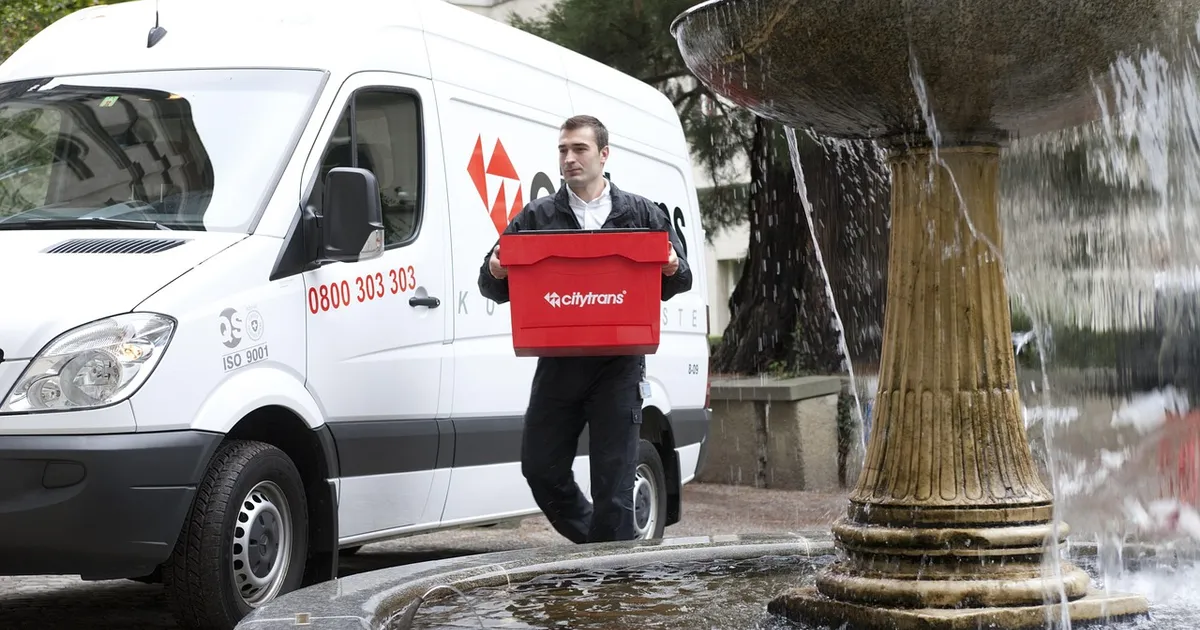
Photo: harpenz, Pixabay Content License, via Pixabay (https://pixabay.com/photos/delivery-deliver-courier-parcel-4274609/)

 Fazlur Rahman