One caution applies to every comparison in this article. BLS wage estimates cover employees only, so they do not capture what a driver earns as a contractor, and they exclude premiums and mileage pay entirely.
State minimums barely matter here. A CDL driver is paid against a national union scale and a company progression, so the local cost of living shows up in how many miles a route covers rather than in the rate itself.
National truck driver wages, BLS May 2025| Occupation | Median annual | Median hourly | Mean annual |
|---|
| Light truck drivers | $44,860 | $21.57 | $48,770 |
| Heavy and tractor-trailer truck drivers | $58,640 | $28.19 | $59,710 |
What does a UPS feeder driver do, and what do you need to get hired?
You need a valid Class A commercial driver's licence, a Department of Transportation medical card, and a clean driving record. UPS feeder and tractor-trailer postings on the UPS Tractor Trailer Driver Jobs page ask for proof of the licence to qualify for the role.
A background check comes next, and then the company training program, which covers hours of service rules, safe driving, and loading. Non-CDL driving roles exist as well, including package car and seasonal delivery driver positions, so the licence is not the only way into UPS driving.
The daily work is set in advance. A feeder driver loads trailers at a hub, drives them to the delivery facility that serves their routes, and brings the empty trailers back. It is long in distance and short in time, since the runs stay local.
Most drivers work a first shift that starts before sunrise, because trailers have to be in place before the delivery routes are loaded for the day. It is a physical job as well as a driving one, with loading and inspection work at both ends of every run.
How much do UPS feeder drivers make per year?
UPS reports that local tractor-trailer drivers average $162,000 a year in total compensation, while full-time delivery drivers average $145,000. Those are company averages that include benefits, not base pay.
The UPS feeder driver hourly wage scale also includes mileage pay and benefits, so the annual figure sits far above the hourly rate. $23 an hour over 2,080 hours is about $47,840 a year before mileage pay, premiums, and overtime.
Drivers who report their own numbers often point to the mileage line and extra trips as the biggest swing factors, which is why the hourly rate alone is a weak comparison for this job. Ask for the route details, not just the rate.
A useful way to think about it: the hourly rate buys the time, the mileage line pays for the distance, and the benefits package carries most of the rest. Drivers who understand all three earn far more than the headline suggests.
What is the alternative if you drive a truck for UPS as a contractor?
Owner-operators who run their own tractor for UPS are paid on contract terms, and the published averages are far lower than the union scale. Indeed lists average pay for an independent contractor driver at UPS at about $10 an hour, 54 percent below the national average.
The trade-off is control. A contractor picks the equipment, the routes, and the schedule, and keeps the upside, but carries the fuel, the maintenance, and the insurance. The published union package above does not transfer to that arrangement.
Ask which side of that line a specific route runs on before you sign anything, and get the numbers in writing. The difference between a $23 an hour union scale and a per-mile contract rate is larger than it looks on paper.
Next steps
Compare the full package rather than the hourly number alone, and ask for route and mileage details before you commit.
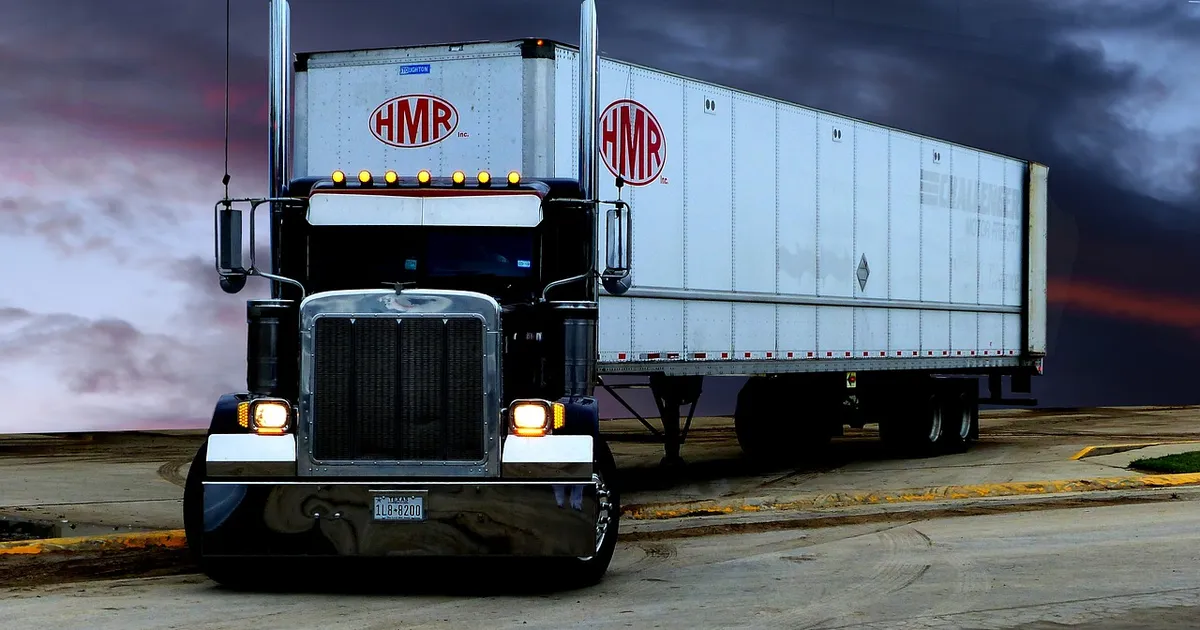
Photo: rauschenberger, Pixabay Content License, via Pixabay (https://pixabay.com/photos/transport-truck-tractor-trailer-4916922/)

 Fazlur Rahman