Materials and coatings
The standard material in 2026 is 600D polyester with a polyurethane or PVC coating. The 600D is a measure of the yarn weight, and higher numbers mean thicker and more puncture-resistant fabric. The coating makes the fabric waterproof, and the higher-quality covers have a coating on the inside as well as the outside to prevent wicking.
Some covers use solution-dyed polyester, which is more colorfast than standard polyester. The trade-off is a higher price. The right call is a solution-dyed cover for any furniture that is in direct sun for most of the day.
Fit and venting
A good cover has a snug fit with a drawstring at the bottom and either elastic hems or buckle straps to keep the cover in place in wind. Vents are important to prevent mildew and condensation, especially in humid climates. A cover without vents traps moisture underneath, which leads to mildew and to furniture damage.
Climate considerations
Cold climates with heavy snow need a cover with a reinforced top that will not collapse under the weight of the snow. Hot climates with strong sun need a cover with high UV protection, ideally solution-dyed. Wet climates with frequent rain need a cover with taped seams and a fully waterproof coating. The right cover depends on which climate the furniture lives in.
Warranty and lifespan
A good outdoor furniture cover in 2026 has a 2 to 3 year warranty against cracking, fading, and seam failure. The lifespan with normal use is 3 to 5 years, with longer lifespans in milder climates and shorter lifespans in extreme climates. The price-to-lifespan ratio is the right metric when comparing covers.
Common mistakes to avoid
The most common mistake is to buy a cover that is too large. A loose cover pools water, which adds weight and stresses the cover, and the wind catches the loose fabric and tears the seams. The right call is to measure the furniture and add 2 to 4 inches to each dimension for the cover, not 6 to 12 inches.
The second most common mistake is to skip the vents. A cover without vents traps moisture, which leads to mildew and to furniture damage. The right call is to pick a cover with vents, even if the cover is slightly more expensive.
The third most common mistake is to leave the cover on during high wind. A cover in 50 mile per hour wind will tear at the seams, even on a heavy cover. The right call is to remove the cover or to secure it with additional straps or bungee cords in high wind conditions.
The honest short version
A quality outdoor furniture cover in 2026 is 600D polyester with a waterproof coating, taped seams, UV protection, and a snug fit. The price is 40 to 150 dollars for a single piece and 80 to 250 dollars for a full set. The right call is a cover with vents to prevent mildew, a drawstring at the bottom, and a 2 to 3 year warranty.
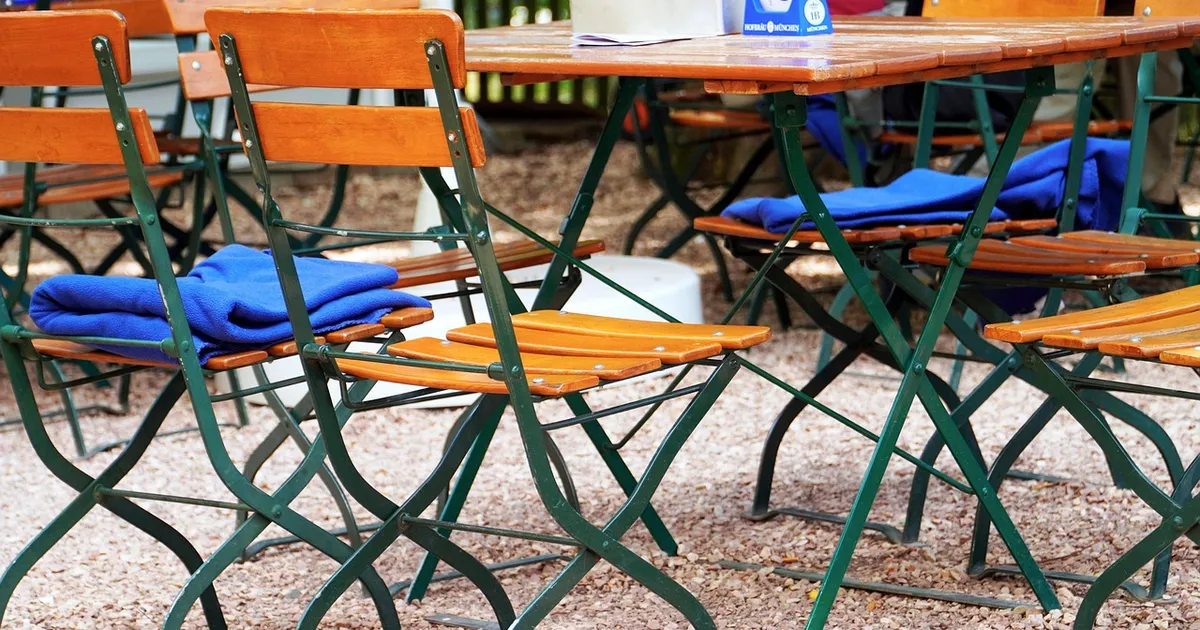
Photo: matthiasboeckel, Pixabay Content License, via Pixabay (https://pixabay.com/photos/al-fresco-dining-outdoor-dining-7325628/)

 Fazlur Rahman