| Add-on | Cost | Which homes need it | What it finds that the standard misses | Cost of not doing it |
|---|
| Sewer scope | $150-$300 | Every home built before 1985, or with a known septic | Tree root intrusion, offset joints, collapsed clay, bellies | $8,000-$25,000 to replace a line |
| Termite inspection | $100-$250 | Southern US, any home with wood framing near soil | Active colonies, damage, conducive conditions | $3,000-$10,000 treatment plus damage |
| Radon test | $150-$250 | Any home with a basement, crawlspace, or slab on grade | Elevated radon, the second leading cause of lung cancer | Mitigation runs $1,000-$3,000 |
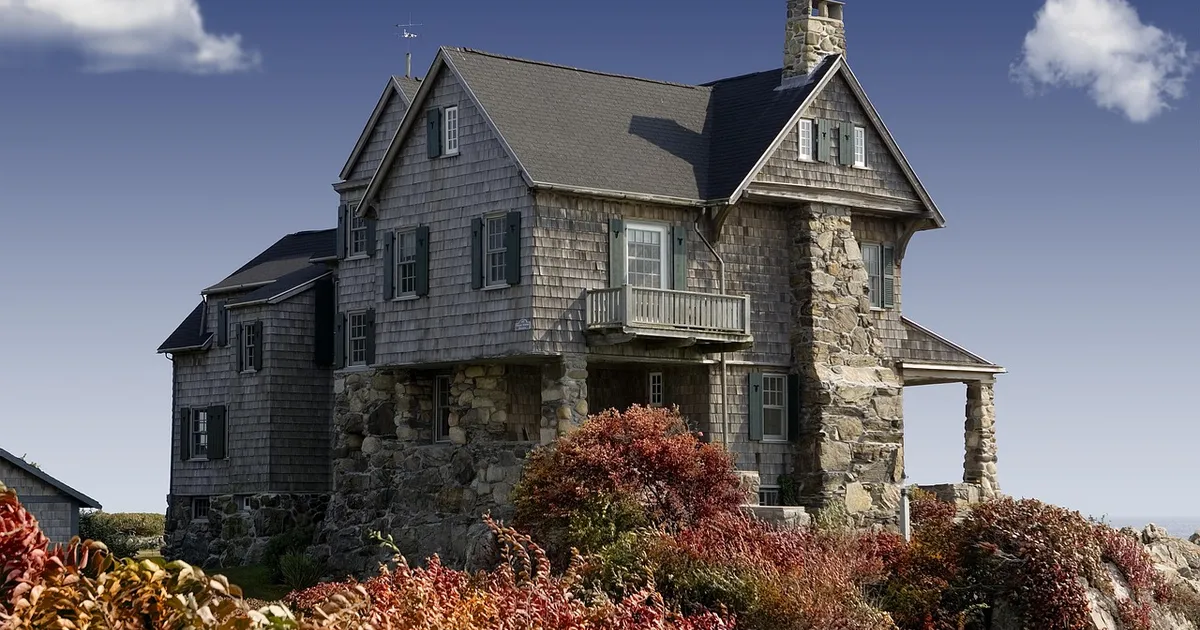
| Chimney inspection | $150-$300 | Any home with a working fireplace or gas fireplace | Cracked flue liner, missing clearance, failed cap | A chimney fire and an uninsurable home |
| Roof inspection | $150-$350 | Any home where the roof is over 12 years old | Failed sealant, lifted shingles, flashing problems | $8,000-$20,000 replacement |
| Septic inspection | $300-$600 | Any home on septic | Failing system, hydraulic overload | $8,000-$20,000 replacement |
| Well and water test | $150-$400 | Any home on a private well | Bacteria, nitrates, arsenic, hard water | A treatment system, or a health risk |
| Structural engineer | $400-$900 | Signs of movement, crack patterns, unusual spans | Actual load-path and foundation assessment | Catastrophic, and it voids insurance |
Worked example: a 1978 house in the Southeast costs $450 for the standard inspection, $250 for termites, $200 for radon, and $250 for a sewer scope — a $1,150 total that found, on average, at least one issue worth several thousand dollars. Skipping all four add-ons to save $700 on a $350,000 purchase is a bad trade.
How to choose an inspector
- Check the credentials. InterNACHI or ASHI membership is the baseline. State licensing is required in about half the states.
- Read a sample report before hiring. A good report is photo-annotated, itemised by system, and written within 24 hours. A report delivered as a checklist with no photographs is a warning sign.
- Ask how long they spend on site. A thorough inspection is 2-3 hours. Anything quoted at 45-60 minutes is a partial inspection regardless of what the report says.
- Confirm insurance. Errors and omissions coverage protects you if the inspector misses something structural.
- Ask what they do not inspect. A good inspector is explicit about limits. One who claims to inspect everything is either lying or doing a very short visit.
- Confirm they are not also a repair contractor. Some states restrict this. An inspector earning a commission on repairs has a conflict of interest.
- Book early. Inspectors in spring and summer are booked 2-3 weeks out. Booking the day the offer is accepted is normal and expected.
What the report actually looks like
Reports have a consistent structure, and knowing it makes them far more useful. Defects are described in terms of safety, function, or cosmetic, which maps directly to how much they are worth in negotiation.
| Finding category | What it means | Negotiation value | Example |
|---|
| Safety issue | Risk to occupants or property | High — fix before closing or credit the cost | Exposed wiring, no GFCI in a bathroom, failing smoke detector |
| Functional defect | A system does not perform as intended | High to moderate | Water heater not producing hot water, HVAC not cooling |
| Deferred maintenance | Will become a problem if unaddressed | Moderate | Old flexible plumbing, worn roof shingles, tired water heater |
| Cosmetic issue | Appearance only | Low — usually not worth contesting | Chipped paint, worn carpet, small drywall crack |
| Note for the buyer | Informational, not a defect | None | Service life remaining on the roof |
The negotiation that follows
An inspection report is a negotiation input, not a repair list. The process that works is: read the whole report, categorise findings by severity, get your own contractor estimates on the serious items, and present credits rather than demands.
| Step | Do this | Avoid this |
|---|
| Read everything | Read the full report including the notes section | Reading only the summary of major items |
| Price the serious findings | Use your own licensed contractor | Using the inspector's estimate as a fact |
| Separate categories | Group safety, functional, and cosmetic separately | Handing the seller a 40-item list |
| Present credits | Ask for a credit or a price reduction | Demanding the seller complete every repair |
| Watch the deadline | Complete before the contingency expires | Missing the inspection contingency window |
| Keep it in writing | Email the agreement to all parties | Verbal agreements that evaporate later |
| Watch the reaction | A seller who ignores serious findings may be hiding something | Accepting a fix without documentation |
One tactic worth knowing: a seller who agrees to every requested repair without inspection almost never intends to complete them. If you want a repair rather than a credit, require it in writing with a completion date and a photographic record, or take the credit and hire your own contractor.
The short version
Budget $350-$600 for a standard single-family inspection, $250-$400 for a condo, and add $150-$300 each for sewer scope, radon, termites, and a chimney inspection where they apply — about $700-$1,000 in total on an older home. Read a sample report before hiring, confirm they spend 2-3 hours on site, and price the serious findings with your own contractor before presenting credits.

 Fazlur Rahman