 Fazlur Rahman
You Do Not Need $250 for Real Noise Cancellation
The most stubborn myth in this category is that usable active noise cancellation starts at flagship prices. In 2026 that is simply false. The best in-ear noise-cancelling earbuds under $100 now cancel commuter noise well enough to embarrass flagships from three years ago, while the premium tier has shifted to selling refinement — better mics, smarter adaptive behavior, spatial tricks — rather than raw silence. That changes how you should shop: instead of asking which earbuds cancel the most noise, ask which tier you actually need.
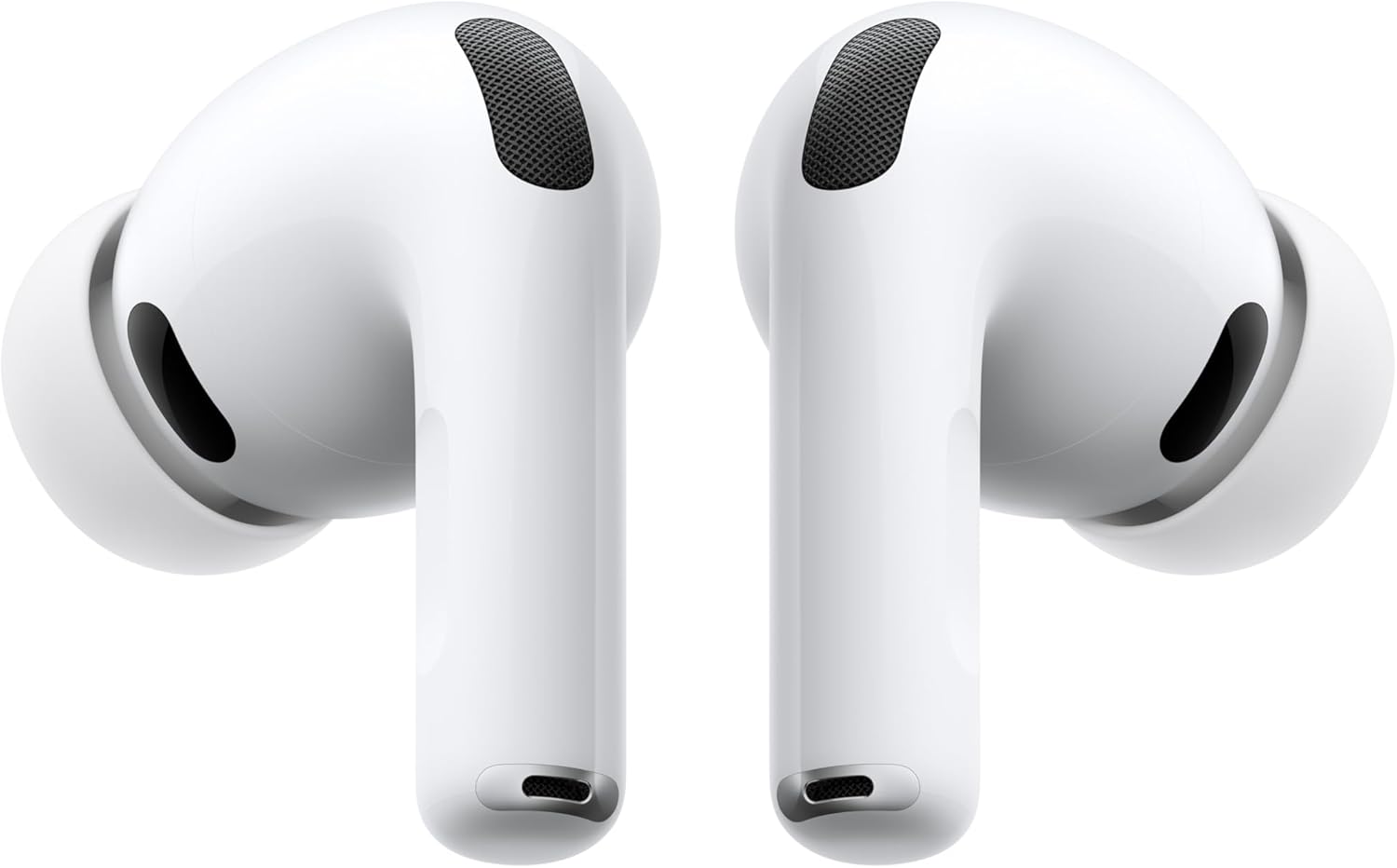
This guide is therefore organized as a ladder, not a flat ranking. Three tiers — budget under $100, the mid-price sweet spot, and the premium flagships — each with a single winner, tested against the same five criteria: ANC effectiveness, comfort for small and mid-size ears, total battery with the case, call quality, and the codec your phone actually uses. Climb only as high as your listening life requires. A note before the ladder: prices in this category swing $30–$80 within a single quarter, so every verdict below was checked against typical street pricing rather than launch MSRP, and each tier winner had to beat — not merely match — the runner-up in its bracket on at least three of the five criteria. Where a phone ecosystem changes the math materially, that dependency is called out explicitly rather than averaged away.
How We Tiered the Contenders
Every earbud was scored on the same five axes, then assigned to the cheapest tier where it is genuinely competitive — a $300 earbud that only marginally beats a $100 one does not justify its tier. Lab measurements were cross-referenced with RTINGS' true wireless test data, and comfort verdicts lean on verified owner feedback about fit, since ear geometry varies far more than spec sheets admit. Call tests were run against a mix of quiet-room, café and street recordings; comfort verdicts required at least a two-hour continuous wear session before judgment; and codec scoring depends on your phone — LDAC matters on Android, nothing beyond AAC exists on iPhone, and pretending otherwise would flatter the wrong products. Prices move constantly in this category, so tiers refer to typical street prices, not launch MSRP. Pricing cited was live at the time of publication — click through to confirm current pricing.
| Tier | Winner | ANC | Total battery (case) | Our rating | Check price |
|---|---|---|---|---|---|
| Under $100 | Anker Soundcore Space A40 | Adaptive, very good | ~50h | 8.8/10 | Check price |
| Mid ($100–$200) | Google Pixel Buds Pro 2 | Silent Seal 2.0, strong | ~30h | 9.0/10 | Check price |
| Premium ($200+) | Apple AirPods Pro | Excellent | ~30h | 9.2/10 | Check price |
| Premium ($200+) | Sony WF-1000XM5 | Excellent | ~24h | 9.1/10 | Check price |
| Premium ($200+) | Bose QC Ultra Earbuds | Class-leading | ~24h | 9.2/10 | Check price |
Under $100: the Anker Soundcore Space A40 Shocks
The Space A40 is the value story of this entire market. Its adaptive ANC reads your surroundings and adjusts strength automatically, and in practice it takes the sharp edge off office chatter, air-conditioning rumble and subway clatter in a way that no sub-$100 rival manages. You also get LDAC hi-res streaming on Android, wireless charging, a pocketable case, and around 50 hours of total playback — numbers lifted straight from the flagship playbook around two years their senior. For long-haul flights the case tops the earbuds up roughly twice over, which is enough coverage for a full round trip without hunting for an airport outlet.

What you surrender is polish. The touch controls are fussy, the stock tuning leans warm and benefits from ten minutes in Soundcore's EQ app, and call quality is fine rather than flattering. Around $99 at the time of writing — and it has dipped under $80 on sale — the A40 is the default recommendation for students, commuters, and anyone testing whether ANC fits their life at all. The earbuds themselves are small enough for side-sleepers who use white noise, and the case is genuinely pocketable — two quality-of-life details budget models usually sacrifice first.
Tier verdict: the best cheap in-ear noise cancelling earbuds, without a serious challenge.
The $150–$200 Sweet Spot: Google Pixel Buds Pro 2
Climb one tier and the Pixel Buds Pro 2 explain why the middle of the market exists. Silent Seal 2.0 adapts cancellation to the shape of your ear canal in real time, and the on-device Tensor chip powers conversation detection that pauses your music the instant you start talking. Battery sits at a solid ~30 hours with the case, the IP57 rating shrugs off dust and sweat, and the small, wingless bodies are among the most comfortable in-ear fits here for smaller ears.
The catch is loyalty-dependent value: on an iPhone, the Pixel Buds lose Fast Pair, Gemini features and the tightest multipoint behavior, collapsing into a good-but-ordinary $200 earbud. The opposite is true on a Pixel or Galaxy: setup takes one tap, switching between a phone and a laptop is automatic, and the Pro 2’s conversation detection feels like a feature you did not know you needed until you misplace it. On Android — any Android brand — they are the smartest buy between $150 and $200 at the time of writing, typically discounted from a $229 list.
Tier verdict: the best ANC earbuds for Android, and the tier most people should actually buy.
The Premium Tier: Three Flagships, Three Personalities
Above $200 the raw ANC gap narrows to measurement noise, so the flagships differentiate on identity. All three below are excellent; the right one depends on your phone, your ears, and what you listen to.
Apple AirPods Pro — the seamless default
Around $249 at the time of writing, the AirPods Pro remain the frictionless choice for iPhone owners: one-tap pairing, automatic switching among Apple devices, Adaptive Audio that blends transparency and ANC contextually, and the broadest third-party finding network if you lose one. ANC is a step below Bose's best but comfortably excellent, and the hearing-health features are genuinely useful. The adaptive behavior deserves a specific mention: instead of switching between modes, the Pro blend transparency and cancellation continuously, so a gate announcement bleeds through without pausing your playlist. On Android they degrade to ordinary AAC earbuds — buy them only inside the ecosystem.
Sony WF-1000XM5 — the small-ear flagship
The XM5 shrinks Sony's flagship line noticeably, and the smaller, lighter bodies with four tip sizes — including extra-small — make them the premium pick most likely to fit small ears comfortably for hours. Sound quality is a highlight, with rich low end and support for LDAC hi-res streaming, and ANC sits just behind Bose in raw strength while beating it on codec flexibility. Around $299 at the time of writing, frequently discounted; call quality is dependable in wind and on busy sidewalks. Sony’s processing also upscales compressed streams in real time, which softens the blow of low-bitrate podcasts on the morning commute.
Bose QuietComfort Ultra Earbuds — the silence specialist
If raw cancellation is the mission, Bose's ultra earbuds are the deepest silencers in the in-ear format, full stop — the same Immersive Audio trick as the over-ear flagship included, and the most convincing spatial implementation in the category. The trade-offs are the shortest battery of the premium trio at around 24 hours with the case, no LDAC or aptX (AAC and SBC only), and an around-$299 price at the time of writing that buys serenity rather than specs. The case is the smallest criticism: compact enough for a jeans pocket but tight on a second full charge, so plan around roughly a day and a half of heavy use before finding USB-C.
Premium verdict: AirPods Pro for iPhones, WF-1000XM5 for Android with small ears or hi-res tastes, Bose for maximum silence.
What You Give Up Going Cheap
Honesty section, because the ladder implies it: the Space A40 gives up call refinement, touch-control polish, and the last 15 percent of ANC depth — no more, but those are real things. The mid and premium tiers buy you better microphones, smarter adaptive behavior, wireless charging on every model, and comfort tuning that shows itself on hour three of wear. Samsung's Galaxy Buds and Jabra's Elite series hover around this middle ground as solid alternatives — the former best inside Galaxy phones, the latter a veteran comfort pick — but neither shifts our tier winners. Skip the tiers above your actual needs and spend the difference on tips that fit; a perfect seal improves cancellation more than any chip. If your budget forces the choice between a flagship on clearance and a mid-tier model with better-fitting tips, take the fit — you will wear it more, and worn more often beats better on paper.
Top Picks for This Topic
-
1

-
2

-
3

Fit and Seal: the Free Upgrade
Before spending a single dollar up a tier, spend a week with the included tips. Every earbud in this guide ships with multiple silicone sizes, and moving from a medium to a small tip can transform both comfort and cancellation, because active noise cancellation depends on a physical seal as much as on electronics. Foam tips are the other cheap experiment: they compress into the ear canal, hold position through jaw movement, and routinely add measurable low-frequency attenuation on the same hardware. If a tier winner above fits you badly, the honest answer is not to buy the runner-up — it is to change the tip. Ear geometry is the one variable no manufacturer can engineer around, and the five-dollar bag of aftermarket foams remains the highest-ROI accessory in personal audio.
Frequently Asked Questions
- What are the best in-ear noise cancelling earbuds under $100? The Anker Soundcore Space A40 — adaptive ANC, LDAC, wireless charging and ~50 hours total battery at a budget price.
- Which ANC earbuds are best for Android phones? The Google Pixel Buds Pro 2 — Fast Pair, Silent Seal 2.0 and on-device Google features that only fully activate on Android.
- Which noise cancelling earbuds fit small ears best? The Sony WF-1000XM5, whose smaller bodies and XS tips are the most forgiving premium fit; the Space A40 leads the budget tier for small ears.
- What IP rating do I need for workouts? IPX4 minimum for sweat and rain; prefer IP57-class models like the Pixel Buds Pro 2 for dust protection and year-round outdoor training.
Whichever tier you choose, pair the decision with our over-ear comparison if you have not settled the form-factor question, or the combined ranking that covers both camps.
As an Amazon Associate, Tutorsbot earns from qualifying purchases. Disclosure.