Fazlur Rahman
At a glance
- Part time assembly operator factory hiring pays $17 to $26 an hour.
- Assemblers earn a median of $21.85 an hour and $45,450 a year.
- Packaging and filling machine operators earn $20.78 an hour.
- Laborers and material movers earn $19.35 an hour.
- Overtime is the usual way a factory job grows.
Data last verified: November 2026 from Bureau of Labor Statistics occupational data published for May 2025, and manufacturer job postings and shift pay disclosures.
What do part time assembly operator factory hiring roles pay in 2026?
Part time assembly operator factory hiring pays $17 to $26 an hour, and the occupation median for assemblers and fabricators is $21.85 an hour.
That median is $45,450 a year for May 2025 estimates, and it covers a group of 1,801,640 workers spread across a very wide range of products, from electronics to aerospace to furniture.
The neighbouring figures set the band. 35.
Our guide to part time event security officer jobs covers the other factory-adjacent role where the shift pattern decides the rate, and part time merchandise handler logistics hiring covers the warehouse version of the same work.
| Role | Median hourly | Annual median |
|---|---|---|
| First-line supervisors of transportation and material moving | $30.21 | $66,830 mean |
| Assemblers and fabricators | $21.85 | $45,450 |
| Packaging and filling machine operators | $20.78 | $44,590 mean |
| Laborers and freight, stock and material movers, hand | $19.35 | $42,260 mean |
| Cashiers, for comparison | $15.81 | $32,880 |
Part time assembly operator factory hiring prices the station: torque values, fixture cycles and the quality gate at the end of the line decide the pace, and the operator is the person the station trusts. The rate follows the line speed, not the effort.
The rows price ten, twenty and thirty hours, and assembly plants run fixed shifts: the line starts at six or it does not start, so the schedule is honest and the attendance is the job.
How much can a part time assembly operator earn?
Twenty hours a week at $21 an hour produces about $840 gross, and $21,840 a year before tax.
Factory hours are set by the production schedule rather than by a shift pattern, and that is what makes the part-time version of this job unusual.
A plant that runs two shifts will hire a part-time assembler for the second shift, and the shift differential is usually the difference between a $19 rate and a $23 one.
Over a full year, 20 hours a week at $21 an hour produces about $21,840 before tax. A colleague on the $26 top of the band on the same schedule produces about $27,040, and most of that difference is the differential rather than the skill.
| Hours a week | At $17 an hour | At $21 an hour | At $26 an hour |
|---|---|---|---|
| 10 hours | $170 | $210 | $260 |
| 20 hours | $340 | $420 | $520 |
| 30 hours | $510 | $630 | $780 |
| 20 hours a week over 52 weeks | $17,680 a year | $21,840 | $27,040 |
A shift is the fixture: load the part, run the cycle, check the torque, move the assembly down the line, and log the defect if the gate flags it. The cycle repeats until the bell, and the log is what the supervisor reads.
The defect log is the career document: an operator who catches a bad torque before the gate saves a recall, and plants remember who that was. Quality attention is the ladder.
What does an assembly operator do?
Four parts, and the first one is the part that decides whether the job suits somebody.
The first is the repetitive build, which is fitting parts together to a work instruction. It is fast, it is physical, and it is the part that people either take to quickly or do not take to at all.
The second is the checking, which is verifying the assembly against the standard. Is the part the right one, is it seated fully, is the torque correct, does the fixture light up.
That is the part that separates an assembler from a machine operator, and it is the part that moves somebody up the rate.
The third is the changeover, which is resetting the line between products. It is the least favourite task on any factory floor and it is where a lot of the unpaid time goes.
The fourth is the problem solving, which is dealing with the jam, the missing part or the misaligned fixture. Our guide to part time remote proofreader jobs hiring covers the other role where the checking is the product.
| Task | Share of the shift | What it needs |
|---|---|---|
| Building to the work instruction | About half | Speed and consistency |
| Checking and self-inspection | About a quarter | Care and accuracy |
| Changeover and line support | About an eighth | Team work |
| Problem solving and reporting | About an eighth | Judgement |
Assembly sits above general labour and below the maintenance techs: the technician fixes the fixture, the assembler feeds it. The gap to maintenance is a certificate, and plants often pay for it.
How does assembly pay compare with the roles above and below it?
It sits above the machine and manual handling roles, and the step up is a certification.
The ladder in a plant runs from laborers and material movers at $19.35 an hour, through packaging and filling machine operators at $20.78, to assemblers and fabricators at $21.85, and then to the first-line supervisors of transportation and material moving at $30.21 with a $66,830 mean annual wage.
That supervisor gap is wide, and the reason is that a supervisor carries the schedule, the quality and the discipline of a team rather than a single output.
One product line is worth noting. Aircraft structure assemblers are projected to fall from 34,400 in 2025 to 32,500 by 2035, a decline of about 6 percent, which is a very different outlook from the electronics and medical device work where the growth is.
Our guide to part time quality control inspector hiring covers the inspection route into the same plants.
One detail that matters more than it sounds is the line speed. Two plants building the same product can run at very different rates, and the rate determines how much of the shift is repetitive building versus checking and problem solving.
A candidate should ask what the rate is and what the target is.
The second is the tooling. A plant that has invested in fixtures and torque tools has removed the physical demand from the job, and it has also removed the need for a colleague who is quick, which is a different job with a different rate.
The training is station-specific and short: two days on the fixture, a torque card and a quality gate walk-through. The plants that certify internally move people up fastest.
What training does an assembly operator need?
A high school diploma, and the training is on the job, paid, and specific to the line.
There is no occupation-wide certification for this role, because the work is defined by the product rather than by the occupation. Most plants train a new assembler on one station for several days before moving them along the line.
Two things sit on top of that. The first is the machine-specific training: how the fixture works, where the emergency stop is, and what to do when the line jams.
The second is the quality training, which covers the defect types the line produces and the record that has to be filled in for each one.
Two more details are worth asking about. Whether the training is paid, and whether the plant will pay for a certification in the process or in the material, because that is the credential that moves somebody onto the machine operator and technician band.
Our guide to part time swim instructor lifeguard hiring covers the other role where a short paid certification decides the rate.
What should you check before accepting an assembly job?
Five questions, and the first one decides whether the job is what you think it is.
The first is how much of the shift is standing, because a repetitive build role is a physical job and the standing time is what a candidate should price in.
The second is the shift pattern, since a plant that runs two shifts will put a part-time assembler on the second one.
The third is the shift differential and whether it is a published rate. The fourth is the overtime structure, and this is the one that matters most for the annual figure in a plant where hours are available.
The fifth is the rate progression, whether the plant moves an assembler up the band for the checking and the machine work. Our guide to flexible part time jobs for students covers the scheduling question across the wider market.
Do assembly jobs come with benefits?
The large manufacturer carries a package, and it is one of the better ones in hourly work.
A plant that employs several hundred people runs the standard model, with health coverage above an hours threshold, and the thresholds in manufacturing are often reachable on twenty-five hours across five shifts.
The two features that make a manufacturing package worth checking carefully are the shift differential and the overtime, because in a plant that runs volume, both are available and both are where the money is.
The third is the retirement contribution, which is more standard in this sector than in most hourly work. Our guide to part time remote chat support jobs covers the other role where the employee versus contractor choice changes the rate by the same margin.
How do you find part time assembly operator factory work near you?
Search the plant rather than the title, because the plants are large employers that hire locally.
Three routes work. The first is the manufacturer careers page, which lists the plant, the shift and the rate for each position. The second is a staffing agency that places production workers, which is the fastest way into a first shift without a trial period.
The third is the state or regional workforce office, which often lists the plant openings that the company never advertised widely. Our guide to part time hotel front desk clerk covers the other sector where a local employer hires directly and often.
Two questions settle the rest. How much of the shift is standing, and what the shift differential is.
What changes about assembly hiring next?
Expect the repetitive build to automate and the skilled build to hold its rate.
Three forces shape the next two years. Collaborative robots and vision systems have taken a large share of the repetitive fastening and the simple positioning, which removes the easiest work on the line and leaves the complicated assemblies.
The second is reshoring, which has brought a significant amount of manufacturing back to the United States and with it a large volume of assembly hiring in specific towns. That is why the plant is a better search term than the job title.
The third is the technician gap. Plants have a well-documented shortage of technicians and maintenance staff, and the assembly line is the standard route in, which is why the credential progression matters more here than in most hourly work.
Our guide to part time remote AI prompt evaluator covers the other role where the value has moved from producing to judging.
Next steps
Price the standing time and the shift, because those two decide the real rate.
- Compare the rate with the $21.85 assembler median and the $20.78 machine operator median
- Ask how much of the shift is standing and how fast the line runs
- Find out which shift the role covers and what the differential is
- Check the overtime structure, because it is where the annual figure is
- Ask whether the plant moves an assembler up the band for the checking work
- Confirm whether the training is paid and whether a process certification is covered
One final thought. The pay figures here are occupation medians and published employer rates, which is the best guide available before an interview.
The Bureau of Labor Statistics occupation profile gives the entry requirements and the outlook for the role, which is the quickest way to check what a plant will ask for on day one.
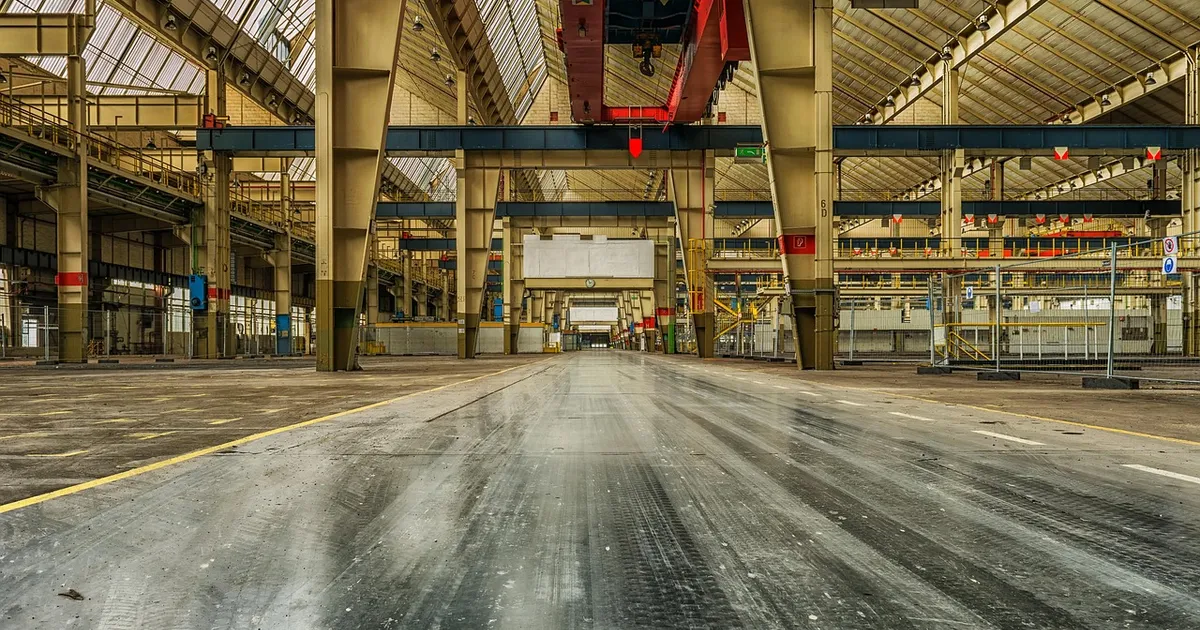
Photo: Tama66, Pixabay Content License, via Pixabay (https://pixabay.com/photos/industry-lost-places-factory-1801661/)