 Fazlur Rahman
At a glance
- Part time quality control inspector hiring pays $18 to $28 an hour.
- The occupation median is $23.35 an hour and $48,570 a year.
- Inspector employment is projected to grow 3 percent to 2035.
- Assemblers earn $21.85 an hour for comparison.
- The shift and the environment decide the premium.
Data last verified: November 2026 from Bureau of Labor Statistics occupational data published for May 2025, and manufacturer and third-party inspection job postings.
What do part time quality control inspector hiring roles pay in 2026?
Part time quality control inspector hiring pays $18 to $28 an hour, and the occupation median is $23.35 an hour.
That median is $48,570 a year for May 2025 estimates.
70 and a mean annual wage of $53,450, and the mean sitting above the median is the usual sign of a smaller, better-paid technical group inside it.
Our guide to part time restaurant server waiter waitress covers the other hourly role where the shift pattern and the environment set the rate, and part time remote proofreader jobs hiring covers the version of the same judgement work that has moved off site.
| Role | Median hourly | Annual median |
|---|---|---|
| First-line supervisors of transportation and material moving | $30.21 | $66,830 mean |
| Inspectors, testers, sorters and weighers | $23.35 | $48,570 |
| Assemblers and fabricators | $21.85 | $45,450 |
| Packaging and filling machine operators | $20.78 | $44,590 mean |
| Cashiers, for comparison | $15.81 | $32,880 |
Part time quality control inspector hiring prices the gate: incoming materials, in-process checks and final release all pass through one desk, and the inspector is the person who signs it. The rate follows what the signature costs the company when it is wrong.
The rows price ten, twenty and thirty hours, and the inspection block anchors to production: the gate runs while the line runs, so the part-time windows are the shift windows minus the changeover.
How much can a part time quality control inspector earn?
Twenty hours a week at $23 an hour produces about $920 gross, and $23,920 a year before tax.
Inspection hours are unusual because the work is driven by the production schedule rather than by a set of opening hours.
A part-time inspector at a plant that runs two or three shifts will be asked to cover the shift where the quality risk is highest, which is often the night or the weekend.
Over a full year, 20 hours a week at $23 an hour produces about $23,920 before tax.
A colleague on the $28 top of the band on the same schedule produces about $29,120, and that gap is usually a shift differential rather than a skill premium. Our guide to night shift part time jobs hiring covers the differential side in detail.
| Hours a week | At $18 an hour | At $23 an hour | At $28 an hour |
|---|---|---|---|
| 10 hours | $180 | $230 | $280 |
| 20 hours | $360 | $460 | $560 |
| 30 hours | $540 | $690 | $840 |
| 20 hours a week over 52 weeks | $18,720 a year | $23,920 | $29,120 |
An inspection is measurement against a tolerance: calipers, gauges, a checklist and the sample plan the quality system prescribes. Pass, fail or hold, and every decision carries a name and a timestamp.
The sample plan is the discipline: inspecting everything is wasteful and inspecting too little is a recall, so the plan decides how many units and which ones. Reading the plan correctly is the whole skill.
What does a quality control inspector actually check?
Three parts, and the middle one is where most of the hours sit.
The first is the incoming inspection, which is checking the material that has arrived. Is it the right part, is it the right specification, does it match the certificate that came with it, and does it look like the sample that was approved.
The second is the process inspection, which is checking the work while it is happening rather than after it.
The inspector stands at a station, watches the run, checks the measurements against the tolerance, and is the person who stops the line when something drifts out of specification.
The third is the final audit, which is the paperwork version: pulling a batch record, checking that every measurement was taken and signed off, and tracing a defect back through the process.
Our guide to part time remote transcriptionist jobs hiring covers the other role where the accuracy of a record decides the rate.
| Task | Share of the shift | What it needs |
|---|---|---|
| Process inspection at the line | About half | Technical judgement and focus |
| Incoming and final checks | About a quarter | Care and measurement discipline |
| Records, audit and non-conformance reports | About a sixth | Clear writing |
| Line support and problem solving | About an eighth | Good judgement |
Inspectors sit above assembly and below quality engineers, because the signature is the difference: an operator flags, an inspector rejects, and only the inspector can stop a lot. The pay tracks that authority.
The rejection protocol is the authority: hold the lot, tag it, notify the supervisor and write the report before the shift ends. Inspectors who write clean reports get asked into the engineering meetings.
How does inspector pay compare with the production roles around it?
It sits above the machine roles and below the supervisors, which is exactly the middle of the ladder.
Packaging and filling machine operators earn a $20.78 median hourly, and assemblers and fabricators earn $21.85 with a $45,450 annual median. The inspector at $23.35 sits above both, and first-line supervisors of transportation and material moving sit at $30.21 with a $66,830 mean annual.
That spread is the reason the inspector role is worth a look for somebody who wants to work in manufacturing without a degree.
The certification is short and the employer usually pays for it, and it moves the person out of the lowest-paid band of the plant without a four-year qualification.
Two details change the rate inside the occupation. Whether the inspector works on a regulated product, where the cost of a missed defect is high, and whether the site is clean or industrial.
Our guide to part time restaurant dishwasher hiring near you covers the other job where the environment is the variable.
Medical devices, aerospace and food production hire the most part-time inspectors, because the release gates in those industries are regulatory rather than optional. The regulation is what makes the desk exist.
The gauge calibration log is the inspector's first lesson: a measurement from an uncalibrated gauge is a rumour, not a result. The log check is the first line of every audit.
Which industries hire the most quality control inspectors?
Automotive, electronics and food processing hire the most, and they pay different rates.
Four employer types. An automotive or aerospace supplier is the highest paying, because the tolerances are tight and a defect is expensive, and the documentation is regulated.
Electronics and medical device manufacturing comes next, where the inspection is often clean-room work with a gowning and training routine attached. The third is food processing, where the inspector role sits alongside the machine roles and the pay is closer to the food service band.
The fourth is a third-party inspection service, which sends inspectors to different sites and pays for the travel. That version pays more per hour and less per year, and it is a common route into the work for somebody without manufacturing experience.
Our guide to delivery driver part time jobs flexible covers the other role where the travel decides the real rate.
The entry credential is a high school diploma and measurement aptitude; the credentials that matter are internal: gauge calibration, the sample plan and the rejection protocol. Six weeks of shadowing covers the system.
The audit season is the overtime season: certification audits run the inspector desk for weeks, and the part-time windows fill first. Say yes to the audit shift and the schedule takes care of itself.
What training does a quality control inspector need?
A high school diploma, and a short certification that the employer usually pays for.
There is no occupation-wide requirement in the way there is for nursing or pharmacy, but there is a strong employer pattern. Most manufacturers run their own inspection training, and it covers the measurement equipment, the tolerance language and the company procedures.
Two additions are common. A background check, because the work touches regulated production records, and a specific certification in the measurement method, which is the difference between a colleague who can read a gauge and one who can calibrate it.
The third is the reporting side, and it is the part that catches people out. A defect report is a legal document in a regulated plant, and a colleague who cannot write one clearly will be moved off the inspection role.
Our guide to part time remote AI prompt evaluator covers the other work where the quality of the written judgement is the product.
What should you check before accepting a quality control job?
Five questions, and the first one decides the schedule.
The first is which shift the role covers and how often, because a part-time inspection job at a plant running three shifts is usually a night or weekend role rather than a daytime one.
The second is whether the inspection is incoming, process or final, because the three have very different physical demands.
The third is the measurement equipment, and a candidate with a metrology background is worth more than one without.
The fourth is the reporting load, and the fifth is whether the certification is paid and whether it is paid for the training time as well as the exam.
One detail is worth confirming in writing: what happens when the inspector stops the line. That is the most consequential thing the role does, and a company that has not thought about it will have an unwritten practice.
Our guide to flexible part time jobs for students covers the scheduling question across the wider market.
Do quality control jobs come with benefits?
The large manufacturer carries a package, and the third-party inspection service rarely does.
A manufacturer with an employed inspection team runs the standard hourly employer model, with health coverage above an hours threshold. A colleague working twenty-five hours across five shifts can clear a threshold that the same hours would not clear at a five-day employer.
A third-party inspection service is a different arrangement, because the employer is the agency and the site is the client.
1 percent of the employer hourly cost.
Two features are worth asking about in the plant route: whether the certification renewal is covered, and whether the shift differential is a published rate rather than something negotiated each time.
How do you find part time quality control inspector work near you?
Search the employer type, because the title varies and the industry matters more than the wording.
Three routes work. The first is the manufacturer careers page, and in this sector the plant name and the town are often more useful than the job title, because the plants are large employers that hire locally.
The second is a staffing agency that places inspectors and quality technicians, which is the fastest route in when a plant has just lost somebody.
The third is a third-party inspection service, which hires people with no manufacturing background and trains them on the job. Our guide to part time hotel front desk clerk covers the other sector where a local employer hires directly and often.
Two questions settle the rest. Which shift the role covers, and whether the certification is paid including the training time.
What changes about quality control hiring next?
Expect more of the inspection to be automated and more of the judgement to be worth paying for.
Three forces shape the next two years. Inline measurement and vision systems are taking over the repetitive dimensional checks, which pushes the inspector role towards the judgement calls and the non-conformance decisions.
The second is the documentation requirement, which keeps growing because the regulatory expectations around traceability keep growing, and which keeps a person in the loop even when the measurement is automated.
The third is the labour supply. Manufacturing has a well-documented shortage of technicians and the inspector role is one of the shorter paths into it.
The employment data supports that, with inspector roles projected to grow from 602,000 in 2025 to 617,200 by 2035, which is 3 percent. Our guide to part time remote data annotation collector covers the other role where automation takes the production and leaves the judgement.
Next steps
Check the shift pattern and the certification before you compare the rates.
- Compare the rate with the $23.35 inspector median and the $21.85 assembler median
- Ask which shift the role covers and how often
- Find out whether the inspection is incoming, process or final
- Check whether the certification and the training time are paid
- Ask what happens when the inspector stops the line
- Confirm whether the shift differential is a published rate
One final thought. The pay figures here are occupation medians and published employer rates, which is the best guide available before an interview.
The Bureau of Labor Statistics occupation profile gives the entry requirements and the outlook for the role, which is the quickest way to check what a plant will ask for on day one.
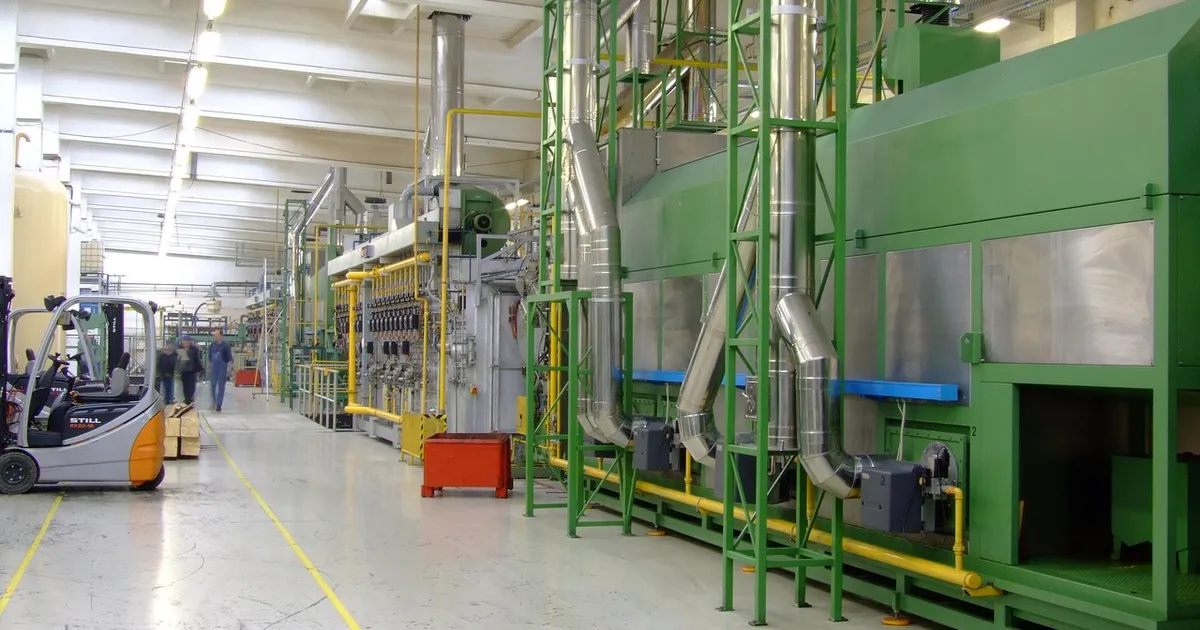
Photo: marcin049, Pixabay Content License, via Pixabay (https://pixabay.com/photos/company-factory-production-186980/)