 Fazlur Rahman
At a glance
- Part time barista coffee shop hiring pay $15 to $21 an hour.
- Most coffee shop stores pay $17.00 to $19.00 an hour.
- Fast food and counter workers earn a median of $15.00 an hour.
- One chain pays a quarterly bonus worth up to $300.
- Benefits start at 20 hours a week at that chain.
Data last verified: November 2026 from employer pay range documents and benefits pages, and Bureau of Labor Statistics occupation data published for May 2025.
What do part time barista coffee shop hiring roles pay in 2026?
Part time barista coffee shop hiring roles pay $15 to $21 an hour, and most stores sit between $17.00 and $19.00.
The chain pay range documents give the full spread. The floor is $15.00 an hour, and the published market bands run $15.00 to $24.00 in some states, $18.00 to $25.00 in others, and $20.00 to $21.00 in the highest cost markets.
The occupation benchmark sits below the store rate, because cashiers earn a median of $15.00 an hour and food preparation workers $16.98. Our guide to part time campus dining hall worker covers the institutional version of the same work.
| Measure | Figure |
|---|---|
| Chain pay floor | $15.00 an hour |
| Most stores | $17.00 to $19.00 an hour |
| Lowest published market band | $15.00 to $24.00 an hour |
| Higher published market band | $18.00 to $25.00 an hour |
| Highest cost market band | $20.00 to $21.00 an hour |
| Cashier occupation median | $15.00 an hour |
Part time barista coffee shop hiring runs on stations, and the station code is the visible skill hierarchy in this market. A register run is the entry work, and the bar is the position the rate follows.
The shift reads as a sequence: pre-open, the morning push, then the trough, then the close. A candidate can name the sequence at the interview and sound like staff already.
What does a barista shift involve?
Three parts, and the drink is the smallest one.
The first is the bar during the rush. Making drinks to a queue, remembering orders, and working the machine quickly enough that the line does not become the problem. That is where the pace lives and it is the part candidates underestimate.
The second is the floor. Clearing tables, restocking the pastry case, wiping down, and refilling the milk and the syrups. The third is the register, which is the step up in most stores and pays a little more.
The prep work is what fills the quiet hours, and it is usually unpaid. Our guide to part time retail jobs hiring near you covers the comparable entry-level route outside a cafe.
| Task | Share of the shift | What it needs |
|---|---|---|
| Making drinks | About half | Speed and memory |
| Floor and restock | About a third | Reliability |
| Register and ordering | About a sixth | Accuracy and customer service |
The band is wide because the store sets it: a $15.00 floor and a $24.00 ceiling inside the same chain exist in different states. The store you apply to prints the only band that pays you.
The rows run fifteen, twenty and thirty hours, and the twenty hour line is where benefits usually begin. That is why the twenty hour row matters more than the fifteen.
How much can a barista earn?
Twenty hours a week at $18 an hour produces about $360 gross, and $18,720 a year before tips.
Tips are what move that figure, and they depend on the store rather than the worker. A commuter site on a weekday morning earns more than a mall site on a slow afternoon, and the tip split depends on the position.
Over a year, 20 hours a week at the $15.00 occupation median produces about $15,600 before tax, and at the $21 top of the highest market band it produces about $21,840 before tips.
| Hours a week | At $15 an hour | At $18 an hour | At $21 an hour |
|---|---|---|---|
| 10 hours | $150 | $180 | $210 |
| 20 hours | $300 | $360 | $420 |
| 30 hours | $450 | $540 | $630 |
| 20 hours a week over 52 weeks | $15,600 | $18,720 | $21,840 |
The documented extras at large chains matter: a quarterly bonus of up to $300 and weekly pay from August 2026 are real line items. Benefits begin at twenty hours, which is why the second shift matters.
Bonus schedules reward quarters, and quarterly bonuses reward people who stay put. A barista who plans around them is planning retention, and the chain knows it.
What extras come with the job?
| Extra | How it pays | What to verify |
|---|---|---|
| Quarterly bonus | Up to $1,200 a year | Group targets and dates |
| Weekly pay | Cash flow weekly | Effective from date |
| Tip split | Varies by site | Shared or position rule |
| Food and drink perks | Cuts the lunch cost | Which shifts qualify |
Two extras are documented at one large chain, and both are worth more than the hourly difference between stores.
The first is a quarterly bonus worth up to $300, which started in July 2026. That is up to $1,200 a year, and for a part-time colleague it is the difference between a role that covers a course fee and one that does not.
The second is pay frequency. All US partners moved to weekly pay in August 2026, which helps anyone whose rent, transport or groceries come weekly rather than monthly.
The third is the benefits threshold. Benefits at that chain start at 20 hours a week, which is low enough that two shifts of eight hours plus a few extra hours crosses it.
Our guide to starbucks barista part time job hourly covers the employer side in full.
Availability is the currency before skill is: the morning commuter shift is the highest earning block in the building and the least flexible. Name your open hours truthfully, then defend the open.
The open defines who is reliable before nine, and no interview can fake it. Two morning shifts carry more weight than any five afternoon shifts.
Station rotations decide who learns the bar, because a site that only runs its best at afternoon peaks will not train the closers. Ask for the training rota at the interview.
How do you get the good shifts?
| Shift | Why it pays | What secures it |
|---|---|---|
| Weekday morning | Commuter volume | Perfect open reliability |
| Weekend push | Rush queue | Bar competence under load |
| Close | End-of-day duties | Fast and accurate breakdown |
| Holiday week | Higher traffic | First to volunteer |
Availability and station, in that order.
The morning shift at a commuter site is the highest earning position in a cafe, and it is the hardest to get because it starts early. Being reliable at the open is what gets it.
The second is the position on the bar.
A colleague who learns the bar position learns the drinks properly, and a store that trusts someone on the bar will move them onto the register, which is the step into the shift lead and the team lead roles.
Two details are worth asking about in the interview. How the tips are distributed between the bar and the register, and whether the training is paid.
Our guide to evening part time jobs hiring near you covers the shift patterns that decide which hours are available.
Chain postings print the local band, and independents print the owner's number. A walk-in between lulls reaches the person who set the rate, which no portal does.
The walk-in works at independents because the owner looks up when the flat is empty. Bring a signature drink example rather than a CV paragraph.
Hospitality platforms are useful once; the bands they show are averages, and the averages hide the commuter store premium. Verify against the posting you actually apply to.
How do you find barista work?
Coffee chains hire constantly, and the store posting is where the real rate lives.
Three routes work. The employer careers site, which posts the role with the wage band for that location rather than the company average. The walk-in at an independent cafe, where the rate is set by the owner and the tips are often better.
The third is a hospitality platform that posts barista roles across many employers, which is useful for comparing the bands in one place. Our guide to part time remote job no experience covers the remote version of the same entry-level market.
Two questions to ask. What is the pay band for this location. And is the training paid, including the food safety certification.
Kiosks and mobile ordering absorb the repeat orders, and the bar inherits the custom drinks where the margin lives. The labour pool stays deep, and that is what caps the price of entry.
Custom drinks are the protected work: a machine cannot hand-pull a customer's substitute order. Reading the regulars is the skill the kiosk cannot buy.
What changes about barista work next?
Expect the drink making to be automated and the customer work to stay.
Three forces shape the next two years. Self-service kiosks and mobile ordering take the simple orders, which leaves the bar for the custom drinks that are the margin.
Fast food and counter employment is projected to rise 6 percent to 2035, with about 223,300 new jobs a year, so the counter role is not going away.
The third is the labour supply. Coffee shop work has always been an entry job, and the enrolment in food service programmes keeps the supply of new baristas high, which caps the wage growth at the floor.
For a candidate the conclusion is that the hourly rate moves with the market, and the tips and the benefits are where the value sits.
Employment grows where counters multiply, and counters multiply where footfall returns. The wage ceiling moves with local costs; the floor moves with the chain. The band between them is where negotiation lives.
Next steps
Compare the pay band for the location you would actually work in, not the company average.
- Compare the rate with the $15.00 cashier median and the $17.00 to $19.00 typical store rate
- Ask for the pay band for that location rather than the company range
- Ask how tips are distributed between the bar and the register
- Check whether training and the food safety certification are paid
- Work out whether your hours clear the 20 hour benefits threshold
- Take the open shift if the tips are the prize, because it is the hardest to get
One final thought. The pay figures here are published employer ranges and occupation medians, which is the best guide available before an interview.
The Bureau of Labor Statistics occupation profile gives the entry requirements and the outlook for counter work, which is the quickest way to confirm that no experience is needed before you apply.
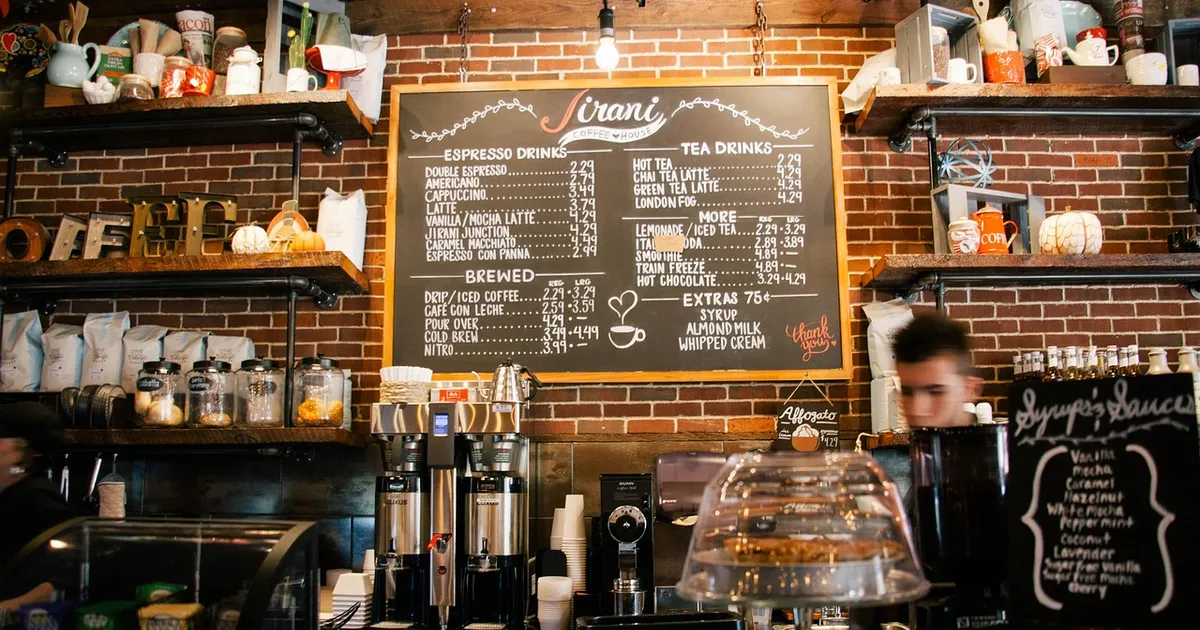
Photo: Pexels, Pixabay Content License, via Pixabay (https://pixabay.com/photos/cafe-barista-coffee-shop-counter-1869656/)