The third is a single-dentist practice, where the rate is set by what the owner can afford and where the role is often titled office manager or receptionist depending on the ambition attached to it.
The fourth is a dental school or a clinic teaching setting, where the hours follow the teaching calendar rather than the year. Our guide to part time campus dining hall worker covers the other institution-hours role in this market.
The day has one feature that makes it different from a general office. A dental practice books on a clock, and the list is built around the length of an appointment rather than around the arrival of a walk-in.
A late patient at ten in the morning pushes everything behind it, and keeping the list on time is a real skill that a good receptionist is judged on.
That is also why a dental receptionist is usually the person who decides what happens when a patient arrives in pain.
There is no triage system, so the judgment is the receptionist own, and a practice that trusts its front desk with that judgment is a practice that pays for it.
What training does a dental receptionist need?
A high school diploma for the desk half, and a dental assisting credential for the clinical half.
There is no single published entry education for the reception role, because it is usually titled a receptionist rather than a technical position, and the practice sets the bar.
What most listings ask for is a high school diploma, a background check because the role handles patient records, and experience in a medical or dental office rather than in general retail.
The second thing is the credential that matters. The occupational profile lists a postsecondary nondegree award as the typical entry education for dental assistants, and that is the credential a practice lists when it wants somebody who can move between the desk and the chairside.
A third item appears on listings in states that require it, which is a CPR or basic life support certificate for the clinical half of the role.
What should you check before accepting a dental receptionist job?
Five questions, and the second one decides the rate.
The first is how the role splits between the front desk and the chairside, because the chairside version pays more and needs a credential.
The second is whether the practice verifies insurance in house, because that is the work that moves a candidate up the band.
The third is how the billing is handled, whether it is software the practice runs or a clearinghouse it pays for.
The fourth is whether the title is receptionist or office manager, because a practice that wants a manager is usually willing to pay for it.
The fifth is what the appointment mix looks like, because a practice heavy on hygiene visits has a different day from one heavy on emergency slots. Our guide to flexible part time jobs for students covers the scheduling question across the wider market.
Do dental receptionist jobs come with benefits?
The group and service organisation route carries a package, and the single-dentist practice usually does not.
A multi-practice employer runs the standard hourly employer model, with health coverage above an hours threshold and a waiting period worth asking about directly.
A colleague working twenty-five hours across five shifts can clear a threshold that the same hours would not clear at a five-day employer.
A single-dentist practice pays a wage and the practical benefits of a small employer, which are usually flexibility and a staff discount on treatment. That is a real trade rather than a failure, and it works for a lot of people.
The trade across hourly healthcare work is always the same shape, where benefits run at 30.1 percent of the employer hourly cost and a contractor rate has to sit 30 to 40 percent above the employee wage to match.
Our guide to part time customer service jobs remote covers that arithmetic in a different sector.
How do you find part time dental receptionist work near you?
Search the employer type rather than the title, because the title varies practice to practice.
Three routes work. The first is the dental service organisation careers site, which lists the band and the benefits with the role.
The second is a staffing agency that places dental office staff, which fills gap cover quickly and which is the fastest route into a first dental job.
The third is a direct approach to a local practice, which works well because dental offices are small and the owner or the practice manager makes the hire.
Our guide to part time gym front desk associate covers the other small-owner sector where a direct approach is normal.
Two questions settle the rest. Whether the role includes chairside work, and whether the practice verifies insurance in house.
The claim cycle is the other half of the job and it is the part that most people underestimate.
Dental cover frequently runs as a percentage of the treatment rather than as a flat annual maximum, so the work involves checking a running total against the benefit as well as verifying it.
A practice that does that in house needs somebody who is comfortable with the detail.
The second trend is the consolidation of the front desk.
A service organisation with several practices can put scheduling, records and claims in one central team, which reduces the number of hours a practice needs at the desk and concentrates the work in a smaller number of higher-paid positions.
What changes about dental office hiring next?
Expect the booking to move online and the claims work to keep growing.
Three forces shape the next two years. Appointment scheduling has moved to online platforms for most practices, which removes the booking transaction and pushes the desk role towards the recalls, the payments and the exceptions.
The second is the claims complexity, which has grown with every change in the coverage rules and which is why the billing skills are the ones worth having.
The third is the consolidation into service organisations, which brings a published band and a benefits package to a sector that used to be run entirely on a practice owner goodwill.
The occupation comparison is the dental assistant figure, at a $48,070 median and 28,800 new jobs through 2035, because that is where the clinical version of this work is heading.
Our guide to part time remote search engine evaluator covers the other job where the rate follows a judgement rather than a task.
Next steps
Ask whether the role includes chairside work, because that is the pay decision.
- Compare the rate with the $18.28 reception median and the $23.11 dental assistant median
- Ask whether the practice verifies insurance claims in house
- Check whether the role title is receptionist or office manager
- Find out whether the appointment mix is hygiene-heavy or emergency-heavy
- Ask whether the employer covers the CPR certification
- Check the hours threshold and the benefits that sit behind it
One final thought. The pay figures here are occupation medians and published employer rates, which is the best guide available before an interview.
htm">Bureau of Labor Statistics occupation profile gives the entry requirements and the outlook for the clinical work behind the counter, which is the quickest way to check what a practice will ask for on day one.
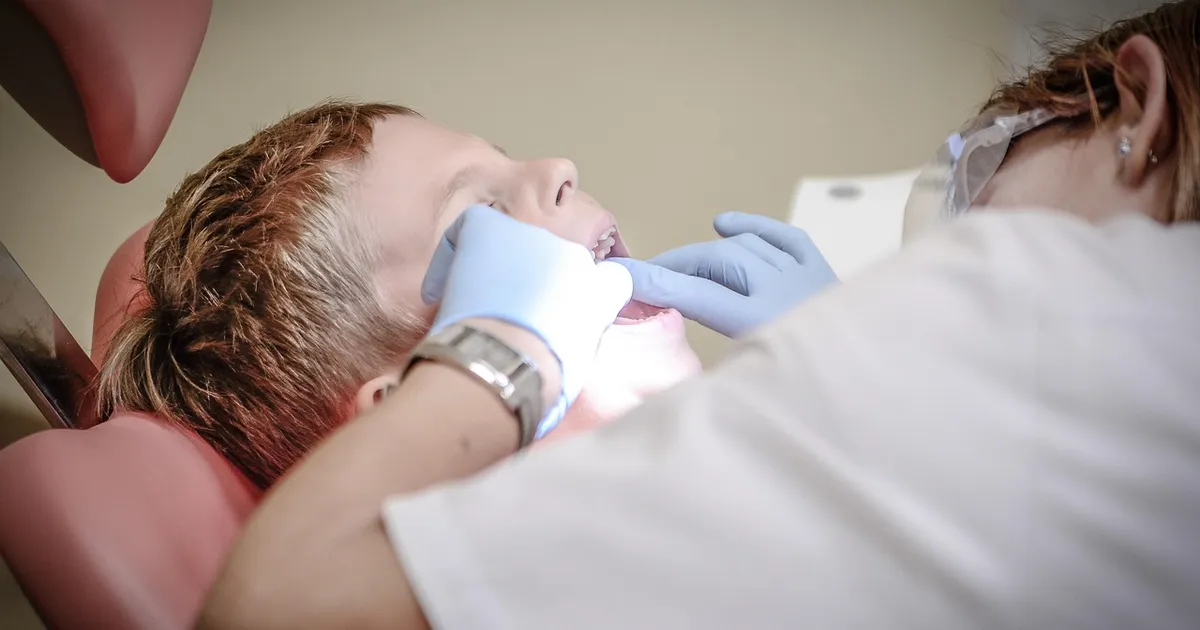
Photo: jarmoluk, Pixabay Content License, via Pixabay (https://pixabay.com/photos/dentist-patient-dental-care-medical-428646/)

 Fazlur Rahman