 Fazlur Rahman
At a glance
- Part time golf course pro shop roles pay $15 to $20 an hour.
- The cashier occupation median is $15.81 an hour.
- A golf shop manager averages $18.16 an hour at one retailer.
- Retail team members average more than $18.50 an hour.
- Lesson income sits outside the hourly rate entirely.
Data last verified: November 2026 from Bureau of Labor Statistics occupation data published for May 2025, retail pay listings, and published golf operations salary guides.
What do part time golf course pro shop roles pay in 2026?
Part time golf course pro shop roles pay $15 to $20 an hour, and the retail benchmark is the cashier median of $15.81 an hour.
The role is a hybrid, and the pay sits with the retail half of it.
The shop sells merchandise, takes memberships, books tee times and fits clubs, and the people who do it are usually paid on the retail scale rather than on a golf-specific one.
The comparison to use is the wider retail market. Frontline team members at one national retailer average more than $18.50 an hour, with posted rates running $15 to $24 across US stores, and team leader roles listed at $25.00 to $27.00.
Our guide to part time retail jobs hiring near you covers that market in full.
| Measure | Figure |
|---|---|
| Cashier occupation median | $15.81 an hour, $32,880 a year |
| Golf shop manager, one national retailer | About $18.16 an hour |
| Frontline retail team member average | More than $18.50 an hour |
| Posted range at a national retailer | $15 to $24 an hour |
| Team leader band | $25.00 to $27.00 an hour |
Part time golf course pro shop roles split into the counter and the course: tee sheets, rentals and the retail wall behind it. The rate follows whichever half the club trusts you with.
The tee sheet is the shop's clock: groups arrive in waves, and the shop peaks in the fifteen minutes before each wave. Everything else is service between waves.
How much can a part time pro shop worker earn?
Fifteen hours a week at $17 an hour produces about $255 gross, and $13,260 a year before tax.
Pro shop hours follow the course calendar. A public course is busiest on a Saturday morning in good weather and nearly empty in February, so the hours are uneven and the hourly rate is more useful than the weekly figure.
Over a full year, 15 hours a week at $17 an hour produces about $13,260 before tax. A colleague on the $20 top of the shop band on the same schedule produces about $15,600.
Our guide to weekend part time jobs near me covers the same seasonality in a different job.
| Weekly hours | At $15 an hour | At $17 an hour | At $20 an hour |
|---|---|---|---|
| 10 hours | $150 | $170 | $200 |
| 15 hours | $225 | $255 | $300 |
| 25 hours | $375 | $425 | $500 |
| 15 hours a week over 52 weeks | $11,700 a year | $13,260 | $15,600 |
A shift opens with the tee sheet and closes with the shop: bookings, rentals out, rentals in and the retail wall. The pace is set by the first tee time, not the clock.
Rental clubs are the quiet workload: out in the morning, cleaned and counted at dusk. The shop that tracks rentals well rarely loses money on them.
What does the job involve on a shift?
Three parts, and the third one is where the money above the wage comes from.
The first is the counter. Tee times, memberships, gift cards and the phone, and it is the largest part of a busy day. The second is the shop floor: racks, fitting, cleaning the clubs and helping a player find a shaft.
The third is the range and the lesson booking. Rangeball collection, the booking sheet, and the lesson schedule that the pro works to.
That third part is the bridge to the money above the wage, because a pro who books a member for a lesson series has a claim on the follow-on coaching work.
Two details decide the pace. Whether the shop is attached to a club with a membership base, where the customers are known and the transactions are predictable, or a public daily-fee course, where every transaction is new.
Our guide to part time hotel front desk clerk covers the same counter work in a different setting.
| Task | Share of the shift | What it needs |
|---|---|---|
| Counter, tee times and phone | About half | Speed and good manner |
| Shop floor and fitting | About a quarter | Product knowledge |
| Rangeball and lesson booking | About a quarter | Accuracy and follow-through |
The above-rate money is commission on fittings and lesson referrals: a shop that books lessons through the desk pays the desk. Ask what the shop counts as a referral before you count the rate.
Fitting commissions are the real upside: a $400 fitting at a five percent cut outearns a whole hour of counter time. Learn the fitting calendar early.
Where does the money above the hourly rate come from?
Commissions on merchandise and the coaching pipeline, and neither one is in the advertised wage.
Most golf retail positions run a commission structure on top of the hourly wage, and the goods are the easy half.
A head cover, a glove and a box of balls are impulse items that sell on volume, and a good seller moves them without being asked.
The coaching pipeline is the second and the larger one.
A pro who books a lesson series for a beginner has created repeat work, and a club that has an active lesson programme protects that relationship carefully because it feeds the membership and the green fees.
The third source is fitting and club work, which is a specialist service and which pays a commission of its own in some shops.
Our guide to part time gym front desk associate covers the same combination, where a service desk role also carries a sales target.
Private clubs pay above daily-fee courses, because the shop carries member service that a public course prices differently. Resort shops sit between and add season length.
The member list is the private club's asset: names, preferences and standing tee times. A shop worker who remembers names is worth more than the posted band.
Which employers pay the most for pro shop work?
Private clubs pay a steadier wage, and the retail chains publish the clearest band.
Three employer types. A private or country club runs the shop as a service for its members, and the wage is usually set with a discount and a staff meal attached.
A municipal or public course runs it as an outlet and the pay sits close to the retail market.
The third is a private retailer selling golf equipment, where the role is a normal retail post with the highest commission structure and the clearest published band.
A golf shop manager at one national retailer averages about $18.16 an hour, which is above the cashier median and below the $18.50 frontline average.
One more variable decides the rate inside each type, which is the volume of the business. A high-volume shop sells a lot of clubs and the commission potential is much higher than a shop attached to an eighteen-hole course with a small membership.
Our guide to part time remote content writer jobs covers the same commission-versus-hourly comparison in a different field.
| Employer type | Rate position | What to check |
|---|---|---|
| Private or country club | Mid band with extras | Whether a staff discount and meal are included |
| Public or municipal course | Close to the retail market | How the season affects the hours |
| Private golf retailer | Published band plus commission | What the commission applies to |
What should you check before accepting a pro shop job?
Five questions, and the first one decides the real income.
The first is the commission structure: what it applies to, what the split is, and when it is paid. The second is whether the shop is a membership operation or a daily-fee operation, because that decides whether the income is stable or seasonal.
The third is whether the role includes range collection and lesson booking, because that is the part that opens the coaching pipeline. The fourth is the shift pattern, since most pro shops work weekends and early mornings rather than a weekday nine to five.
The fifth is the lesson policy. If the shop sells lessons and you are expected to convert enquiries, that is a job with a sales target in it, and it should be reflected in the wage.
Our guide to part time customer service jobs remote covers the same question about scripts and metrics on the service side.
How do you find part time golf course pro shop work?
The course is the employer, and most courses hire locally rather than through a national board.
Three routes work. The first is the course website, because a public or municipal course posts its own staff roles on its own site and those postings rarely reach a job board.
The second is the club, and a private club's pro shop manager is usually the person who hires, sometimes directly.
The third is the retail side, where a golf equipment retailer hires a shop assistant with a published band and a structured commission. Our guide to part time gym front desk associate covers the other counter-and-sales role in the leisure sector.
Two questions settle the rest. What the commission applies to, and whether the role includes the range and the lesson booking.
What changes about pro shop work next?
Expect the fitting and the lesson booking to carry more of the value and the merchandise to carry less.
Three forces shape the next two years. Fitting has moved from a general service to a specialist one with launch monitors and custom shafts, which makes the technician role more valuable and better paid than the counter role.
The second is the golf market itself, where the number of rounds played has recovered from the pandemic dip and the demand for coaching has stayed high, which keeps the lesson pipeline full.
The third is retail consolidation, with fewer independent golf retailers and the surviving shops running more of the fitting and the club work.
The management end of the occupation shows the value of the route. Entertainment and recreation managers earn a $79,520 median, and the pro shop is one of the routes into that work.
Our guide to part time event security officer jobs covers the other leisure job where the shift pattern is the whole decision.
How does the golf season shape the hours?
Weather decides the year, and a shop at a public course has a much bigger swing than one at a private club.
Three periods matter. The spring, when the course opens and memberships are being sold, which is the busiest retail period of the year. The summer, when the play is best and the shop carries equipment and clothing rather than lessons.
The third is the winter, which at a public course means very little play and very few hours, and at a private club means indoor golf, simulated leagues and a shop that stays open all year.
Two details settle the rest. Whether the shop takes bookings for the simulator and the lessons, because those are the year-round services. And whether the employer is a course running a season contract or a retailer running a permanent one.
Next steps
Ask what the commission applies to before you compare the hourly rates.
- Compare the rate with the $15.81 cashier median and the $18.50 frontline average
- Ask what the commission covers and when it is paid
- Check whether the role includes range collection and lesson booking
- Ask whether the shop is membership based or daily-fee, because that sets the season
- Work out whether the shift pattern includes weekends and early starts
- Ask whether the club runs an apprentice pathway for the pro role
One final thought. The pay figures here are occupation medians and published employer rates, which is the best guide available before an interview.
The Bureau of Labor Statistics occupation profile gives the entry requirements and the outlook for the retail work behind the counter, which is the fastest way to confirm what a course will ask for on day one.
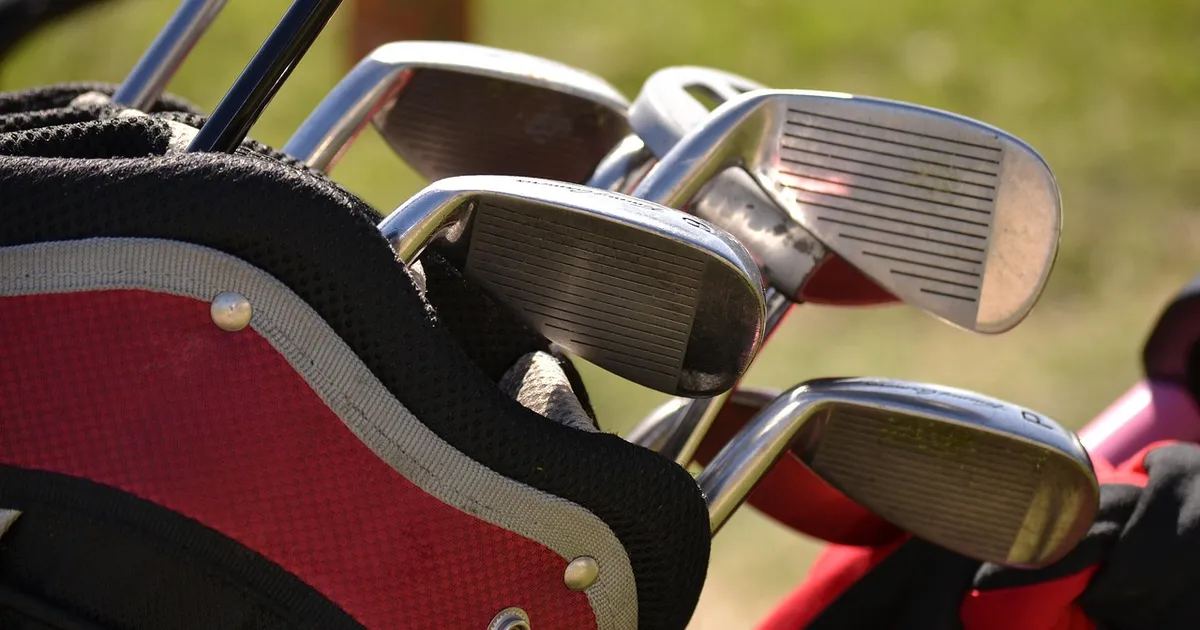
Photo: alejandrocuadro, Pixabay Content License, via Pixabay (https://pixabay.com/photos/golf-golf-clubs-golfing-golfer-1909115/)