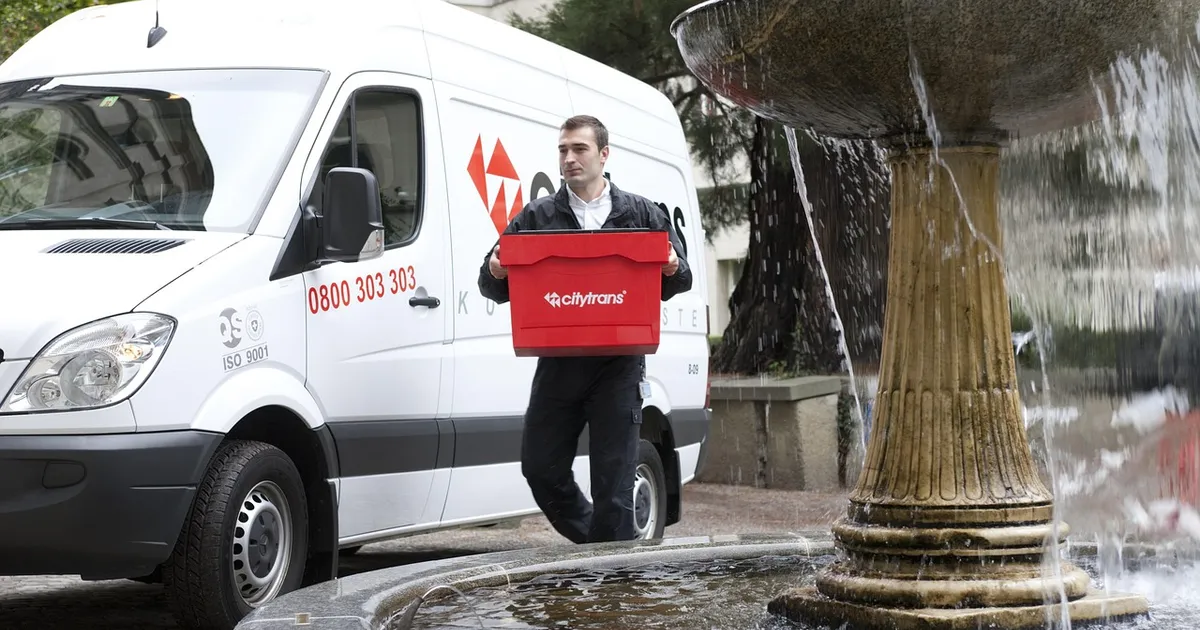
Four employer types. A corporate mail centre or a business services company runs the whole function for a client, and it publishes a band because it employs a lot of people and it competes on service.
A large employer with an in-house mailroom comes next, where the clerk works in the building alongside everyone else. The third is a print and fulfilment house that also handles post, which adds a production element to the job.
The fourth is the small office, where one person handles the mail and the office support together, and where the rate is usually the lowest because the role is part-time and informal.
Our guide to part time gym front desk associate covers the other small-employer role where the hours are flexible and the rate is set by the owner.
What skills does a mailroom clerk need?
The skills are unglamorous and specific, and they are what the employer is paying for.
There is no occupation-wide certification for this role, because it is usually titled a mail clerk, a mailroom clerk or an office services assistant. Four skills are what actually decide who gets hired.
Sorting accuracy is the first, because a misrouted piece of legal document has consequences that a misrouted leaflet does not. The second is machine handling, since the franking machine, the folder and the shredder each have a procedure and a safety rule.
The third is confidentiality, because a mailroom sees everything that arrives in a building. The fourth is the physical side, because the job involves heavy totes, a trolley and a lot of walking, and a colleague who cannot manage that will not last.
Our guide to part time remote data annotation collector covers the other role where accuracy on a repetitive task is the whole job.
What should you check before accepting a mailroom job?
Five questions, and the first one decides the schedule.
The first is what the start time is, because a mailroom shift that begins before six in the morning is a different life from one that begins at nine.
The second is whether the role is sorting only or includes the internal delivery routes, because the routes are the physical half of the job.
The third is what the mail volume is, and a good question is how many pieces a typical shift handles. The fourth is whether the machines are automated or hand-operated, since an automated franking line changes the pace of the work completely.
The fifth is whether there is a mailroom team or whether the colleague covers the post alone, because the second version of the job is a lone position with a lot of responsibility.
Our guide to evening part time jobs hiring near you covers the shift window question across the wider market.
Do mailroom jobs come with benefits?
The corporate and in-house employer routes carry a package, and the small office usually does not.
An employer with a mailroom function and an employed staff structure runs the standard hourly model, with health coverage above an hours threshold.
A colleague working twenty-five hours across five shifts can clear a threshold that the same hours would not clear at a five-day employer.
A small office that hires one part-time clerk usually pays a wage and the flexibility, which is a legitimate trade rather than a failure.
It is worth comparing against the travel and the schedule, because a mailroom role in a corporate building often sits on a transit line and a small office role often does not.
Two details are worth asking about in the employed route: whether the employer covers the training on the mail machines, and whether the early shift attracts any premium.
How do you find part time mailroom clerk work near you?
Search the employer type, because the titles are all over the place.
Three routes work. The first is a business services company that runs mail centres for clients, which is the largest employer of mailroom staff. The second is the corporate careers page of a large employer, which lists in-house mailroom roles.
The third is a staffing agency that places office services workers, which fills gap cover quickly at a company that has just lost somebody. Our guide to part time hotel front desk clerk covers the other sector where a local employer hires directly and often.
Two questions settle the rest. What the start time is, and whether the role is sorting only or includes the delivery routes.
One practical detail is worth checking before the first shift, because it decides the whole morning.
A mailroom that runs its own internal courier routes between buildings will spend a third of the shift walking, while one that hands the mail to a facilities team will spend it sorting. The job description rarely makes the difference clear.
The second detail is the machine situation. A fully automated franking line with automatic envelope feeders changes the pace of the work completely, because the sorting becomes a production line and the judgement moves to the exceptions.
A hand-run operation is slower and more varied, and it is the one where a new colleague learns more in a week.
What changes about mailroom hiring next?
Expect the sorting to shrink and the specialist handling to hold its value.
Three forces shape the next two years. Mailroom work has been the target of automation for two decades, and the sorting of a standard letter is now a machine job in most large organisations.
The second is the sensitive material. Legal, medical and financial records are increasingly required to be handled in a controlled way, and that is a staffing requirement rather than a machine one.
The third is the hybrid working shift. With more people working from home, a larger share of the mail volume is now digital, which reduces the sorting load and increases the importance of the parts of the job that a person does.
Our guide to part time remote chat support jobs covers the other role where the digital shift moves the work rather than removing it.
Next steps
Check the start time first, because the schedule decides whether the job fits.
- Compare the rate with the $21.64 office clerk median and the $21.76 shipping clerk median
- Ask what the start time is, because mail arrives overnight
- Find out whether the role is sorting only or includes the delivery routes
- Check the mail volume and whether the machines are automated
- Ask whether there is a mailroom team or the post is covered alone
- Confirm whether the employer covers the training on the mail machines
One final thought. The pay figures here are occupation medians and published employer rates, which is the best guide available before an interview.
htm">Bureau of Labor Statistics occupation profile gives the entry requirements and the outlook for office and administrative support work, which is the quickest way to check what an employer will ask for on day one.
Photo: valerioerrani, Pixabay Content License, via Pixabay (https://pixabay.com/photos/typewriter-alphabet-letter-writer-5065594/)

 Fazlur Rahman