 Fazlur Rahman
At a glance
- Part time peer tutor jobs college pay $12 to $18 an hour.
- The federal work study floor is $7.25 an hour.
- Self-employed tutors average just under $24 an hour across the US.
- Marketplace tutors average $35 to $60 before the 25 percent fee.
- Peer tutoring needs no teaching credential beyond the subject.
Data last verified: November 2026 from Federal Student Aid rules, published university wage scales, and Bureau of Labor Statistics occupation wage data for tutors.
What do part time peer tutor jobs college pay in 2026?
Part time peer tutor jobs college pay the campus scale, and the published campus bands run from $10.00 an hour up to $21.50 an hour.
Most peer tutoring on a campus is funded through the work study programme, and those roles carry two rules. Wages are paid hourly only, and the employer must pay at least the federal minimum wage in effect at the time of employment.
Outside the campus, the benchmark is the tutor occupation, where the Bureau of Labor Statistics reports an average hourly wage just under $24 for self-employed tutors. Our guide to work study jobs on campus hiring covers the campus scale in full.
| Source | Published rate |
|---|---|
| Federal work study floor | $7.25 an hour |
| University typical on-campus rate | $10.00 an hour |
| State college rate from August 1, 2026 | $16.50 an hour |
| Published student assistant band | $17.00 to $21.50 an hour |
| Self-employed tutor average | Just under $24 an hour |
| Marketplace tutor average | $35 to $60 an hour, less a 25 percent fee |
The session is only half of the paid work, and the other half decides whether the rate feels worth it. A tutor who prepares for two hours and writes up every session is on a lower effective rate than one who prepares once and reuses the notes.
What does the work involve?
A peer tutoring session is short, scheduled, and paid for the hour rather than for the result.
The core is a one-to-one or small group session, usually an hour, scheduled around the tutor's timetable and the student's needs. The rest is the preparation, and that is what most candidates underestimate.
Two tasks sit alongside the sessions. Reviewing the material before the meeting, which is usually unpaid, and the short write-up of what was covered, which is sometimes paid and sometimes not.
The third is coordination, because peer tutors are often asked to run the review sessions for a whole course rather than only the students who book them. That carries a bigger preparation load and a better hourly rate.
Our guide to part time teaching assistant jobs university covers the heavier version of the same work.
| Task | Share of the hours | Paid in practice |
|---|---|---|
| The session itself | About half | Yes |
| Preparation | About a third | Rarely |
| Review session running | About a sixth | Usually |
| Records and write-ups | Small | Sometimes |
The comparison that matters for part time peer tutor jobs college is the effective hourly rate rather than the listed one, because the unpaid preparation and the write-up are hours the tutor spends without pay.
How much can a peer tutor earn?
Eight hours a week at $16.50 an hour produces about $132 gross, and a 36 week semester on that schedule is roughly $4,752.
The rate sits between the retail and office ends of the student market. Cashiers earn a median of $15.81 an hour, receptionists $18.27, and customer service representatives $21.52.
Over a full academic year, 8 hours a week at $16.50 produces about $6,864 before tax. A colleague who also runs the review sessions for a course, or works the exam period rush, can add a meaningful block of hours in a few weeks.
| Hours a week | At $10.00 an hour | At $16.50 an hour | At $21.50 an hour |
|---|---|---|---|
| 5 hours | $50 | $83 | $108 |
| 8 hours | $80 | $132 | $172 |
| 12 hours | $120 | $198 | $258 |
| 8 hours a week over 36 weeks | $2,880 | $4,752 | $6,192 |
The second comparison is between a one-to-one session and a review session for a whole course. The review session carries a bigger preparation load and a better rate, and it is the version that fills during the exam period.
| Session type | Share of hours | Preparation | Rate position |
|---|---|---|---|
| One to one | Most sessions | Prepared per student | Campus band |
| Small group | A shared session | Prepared once | Mid to top band |
| Course review session | A single large block | Heavy | Top of the band |
| Drop-in clinic | Open hours | Repeated | Top of the band |
How does campus peer tutoring compare with tutoring online?
The online market pays more per hour, and the campus route buys stability, a reference and no platform fee.
Marketplace tutors average $35 to $60 an hour, though the platform keeps 25 percent from what the tutor earns, so a $50 listed rate pays $37.50.
Reported starting pay on one large set-rate platform is about $15 to $18 an hour, which is close to the campus scale.
So the campus peer tutoring rate is not far off the set-rate platform rate, and it is below the marketplace rate.
What the campus route adds is that the students come to you, the payment is on the campus pay cycle, and the role counts as a campus job.
Our guide to part time tutoring jobs online pay covers the online market in detail, including the fee arithmetic that decides what a listed rate is worth.
The second requirement is the demonstration, and the format matters more than the subject depth. Most programmes ask a tutor to explain a problem in a specific way, which is a teaching skill rather than a knowledge test.
What do you need to be hired?
A strong result in the subject, and a working method for explaining it.
Most peer tutoring programmes want a high grade in the course and an interview with the coordinator. A few ask for a short demonstration, which is where the format matters more than the subject depth.
The second requirement is a schedule. Sessions are booked around the tutor's availability, and a tutor who can offer evenings and weekends fills more of them than one who can only offer Wednesdays.
Third, a background check or a training session. Peer tutors work with other students, and institutions treat that as a condition rather than a formality.
The third peak is the mid-term assessment block, and it is the one that decides the academic-year figure. A tutor who works the exam period adds hours in a short window rather than spreading them across the term.
The hours in a review session are paid at a higher rate because the preparation is heavier, and that is the version of the job that pays a student who can commit to the exam period.
When is tutoring busiest?
The demand peaks in the three weeks before exams, and the rest of the term is scattered.
Term start is the second peak, because the first assessments arrive before the students know who to ask. Then the mid-term assessments, then the exam period, which is the largest block of the year.
That shape is useful for a tutor who wants control. A colleague who can only work a few hours a week can take those hours during the peak and use the quiet weeks for something else.
Our guide to weekend part time jobs near me covers the same seasonality in a shift-based job.
The application window is the detail that decides the outcome. Most learning centres open applications early in the term, and the roles attached to the largest first-year courses are filled first.
| Question | Why it matters | What to listen for |
|---|---|---|
| Which courses can you cover | Decides the demand | A named course list |
| Is preparation paid | Affects the real rate | A paid preparation hour |
| Is there a demonstration | Decides the format | A short session |
| How many hours in exam week | Decides the seasonal spike | A published peak |
| Can you work evenings | Decides how many sessions you get | A shift pattern |
How do you find a peer tutoring job?
The learning centre or the academic success office is where the roles are, and they open applications early in the term.
Three routes work. The learning centre page lists the peer tutor roles and the subject requirements. The department may run its own programme for a large first-year course, which is where the most hours usually are.
The third is the student employment office, which handles the work study funded versions. Two questions to ask: whether the review sessions are paid separately, and whether the appointment covers the term or the year.
Our guide to flexible part time jobs for students covers how the availability conversation works on campus.
The change to watch is the group session, because a centre that runs a drop-in clinic covers more students with fewer paid hours. The tutor who can run a room of fifteen is worth more to a centre than one who only works one to one.
What changes about peer tutoring next?
Expect more of the work to be delivered digitally, and expect the pay to follow the qualification rather than the session.
Three forces shape the next two years. Learning centres have moved a share of tutoring online, which removes the travel but not the preparation. The review session format is growing, because it reaches more students per hour of a tutor's time.
The pressure on the wage is the usual one. Campus hourly scales move with state minimum wage rules and centre budgets are set annually, so the rate rises slowly while the session format changes.
For a candidate the conclusion is that the paid review session is the better version of this job, because the preparation is shared across a group and the rate reflects it.
Next steps
Apply to the learning centre early, and ask whether the review sessions are paid separately.
- Check the campus wage scale, where published rates run from $10.00 to $21.50 an hour
- Ask whether the review sessions are paid separately from the one-to-one hours
- Offer evenings and weekends, because that is where the demand is
- Work out the exam period, since that is the biggest block of the year
- Confirm whether the role is work study and what the hour cap is
- Ask whether the appointment covers the term or the year
One final thought. The rates here come from published campus policies, the federal handbook and occupation wage data, which is the best guide available before an application.
The Federal Student Aid work study page sets out the programme rules, including the hourly-only payment rule and the federal minimum wage floor that every work study employer must meet.
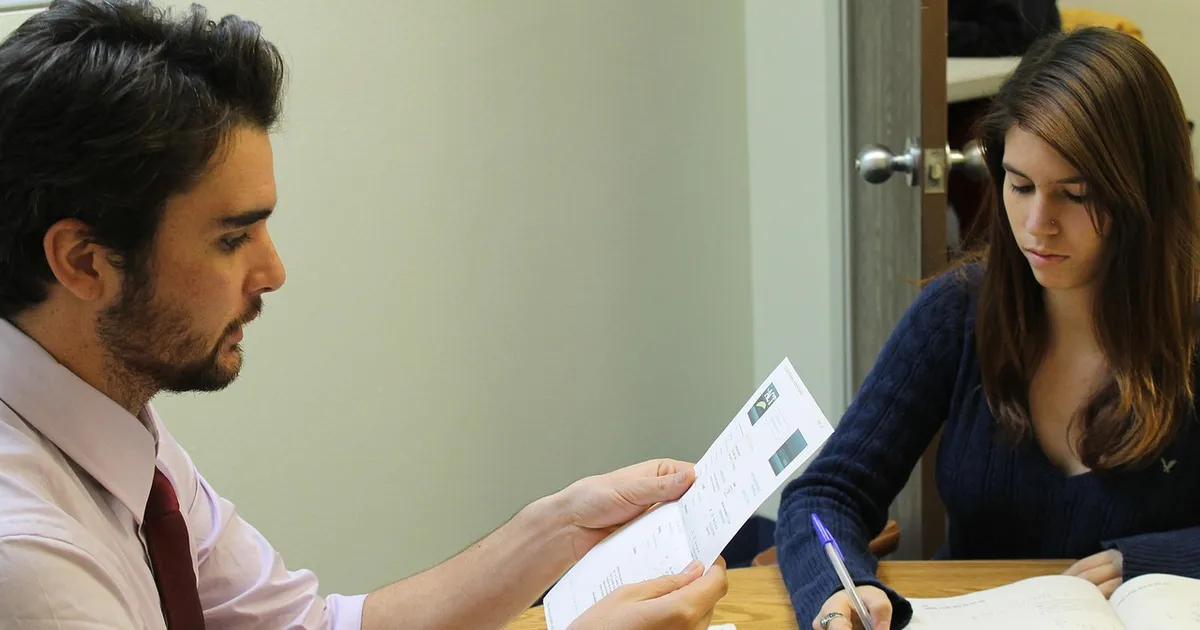
Photo: nrjfalcon1, Pixabay Content License, via Pixabay (https://pixabay.com/photos/tutor-teacher-education-student-606091/)