The second is that most states set their own scope rules for who may draw blood, so the certificate has to be recognised in the state where the job is.
Two extras are common requirements in hiring. A current basic life support or cardiopulmonary resuscitation certificate, and a background check, because the work is with patients.
Our guide to part time swim instructor lifeguard hiring covers the other role where the certificate is the entry ticket and the state rules decide the rest.
How does phlebotomy pay compare with the other clinical routes?
Phlebotomy sits just below medical assisting and well below the laboratory technologist band.
The comparison is worth making carefully, because all three are commonly offered to the same applicant. A medical assistant earns $21.97 an hour, a phlebotomist $21.75, and the two roles are within a few cents of each other on the median.
The technologist band is the step up, at $30.26 an hour, and it requires the laboratory science qualification that the phlebotomist role does not.
A home health and personal care aide earns $17.21 an hour, which is a different sector but often the other job a person applying for healthcare work is considering.
The route that decides the ceiling is the certificate. Once a colleague has the phlebotomy credential, moving into a technologist programme is a natural second step, and the pay moves with it.
Where phlebotomy sits on the clinical ladder| Role | Hourly median | Entry requirement |
|---|
| Clinical laboratory technologists | $30.26 | Associate degree or higher |
| Medical assistants | $21.97 | High school diploma plus on-the-job training |
| Phlebotomists | $21.75 | Postsecondary nondegree award |
| Home health and personal care aides | $17.21 | High school diploma |
Which employers pay the most for phlebotomy work?
Hospital blood banks and outpatient centres pay the most, and a doctor office or a mobile collection service usually pays less.
Four employer types. A hospital laboratory pays the upper end, because the volume is high, the accreditation standards are strict and the shift coverage has to be continuous through the night.
An outpatient collection centre or a hospital satellite lab sits next, and the published industry figure for medical and diagnostic laboratories is a $46,670 median, which is above the phlebotomy occupation median because the group includes the technologists.
The third is a physician practice, where the draws happen around appointments and the pay is usually the lower band because the hours are thin.
The fourth is a mobile collection service, which travels to patients and is paid per stop or per draw rather than by the hour. Our guide to part time dog walker pet sitter covers the same per-job pricing model in a different sector.
What should you check before accepting a phlebotomy job?
Five questions, and the first one decides whether the certificate gets you hired.
The first is whether the employer accepts your certificate as it stands, because the states set the scope rules and the programmes are not all equivalent.
The second is whether the role includes phlebotomy only or also the sample processing, because the second version is a technologist job at a technologist rate.
The third is what the patient load looks like, since a paediatric draw, a difficult draw and a routine draw are not the same work. The fourth is how the site handles a failed draw, because the retake policy decides whether the hourly rate holds.
The fifth is the shift pattern. A laboratory that opens at six in the morning and closes at six in the evening needs cover at both ends, and that is where the early and late shifts pay a little more.
Our guide to evening part time jobs hiring near you covers the shift side of the same question.
Do phlebotomist jobs come with benefits?
The hospital route carries a package, and the small practice route rarely does.
A hospital or a large outpatient laboratory employer runs the standard hourly employer model, with health coverage above an hours threshold and a nursing or technical staff structure behind it.
A part-time phlebotomist who clears the threshold gets the same package as any other hourly employee in the building.
The trade-off is the schedule. Hospital laboratory roles are shift work with a rota, and a part-time colleague often works weekends or nights to make the hours up. That is the deal, and it is worth pricing the off-shift hours against the hourly rate.
Two features are worth asking about. Whether the employer covers the certification renewal, because the credential is what keeps the role open to you, and whether the tuition assistance extends to the technologist programme, which is the route to the higher band.
How do you find part time phlebotomist work near you?
Search the laboratory rather than the title, because the same job has four different names.
Three routes work. The first is the employer careers site for the health system or the laboratory company, which lists the site, the band and the shift pattern.
The second is a staffing agency that places laboratory technicians, which fills gaps quickly at a hospital that has just lost a colleague.
The third is the certification programme's own job board, because those programmes place their graduates and the boards are far more focused than a general one.
Our guide to part time hotel front desk clerk covers the other shift-based service job where the property rather than the title is the employer.
Two questions settle the rest. Whether the site accepts your certificate as it stands, and whether the hours are a fixed rota or picked up week by week.
What changes about phlebotomy hiring next?
Expect the routine draws to be automated and the difficult ones to pay more.
Three forces shape the next two years. Venipuncture devices that can draw from a finger or a smaller vein have taken a share of the simplest work, which pushes the role towards the harder draws and towards the paediatric and the difficult-patient work.
The second is volume. The occupational data shows the job growing 7 percent through 2035, which is much faster than average, and the reason is an ageing population with more blood testing per person.
The third is staffing. The healthcare sector has a well-documented shortage across several technical roles, and a laboratory that cannot cover its early shifts loses its outpatient contracts.
Our guide to part time remote data annotation collector covers the other technical work where judgement rather than automation decides the rate.
Next steps
Check that the certificate is recognised in the state before you apply anywhere.
- Compare the rate with the $21.75 median and the $30.26 technologist median
- Confirm the certificate is accepted for scope in the state you will work in
- Ask whether the role includes sample processing or only the draws
- Check the patient load and the retake policy for failed draws
- Ask what the shift pattern is, because hospital lab work runs around the clock
- Work out whether the hours clear the benefits threshold
One final thought. The pay figures here are occupation medians and published employer rates, which is the best guide available before an interview.
htm">Bureau of Labor Statistics occupation profile gives the entry requirements and the outlook for the role, which is the quickest way to check what a laboratory will ask for on day one.
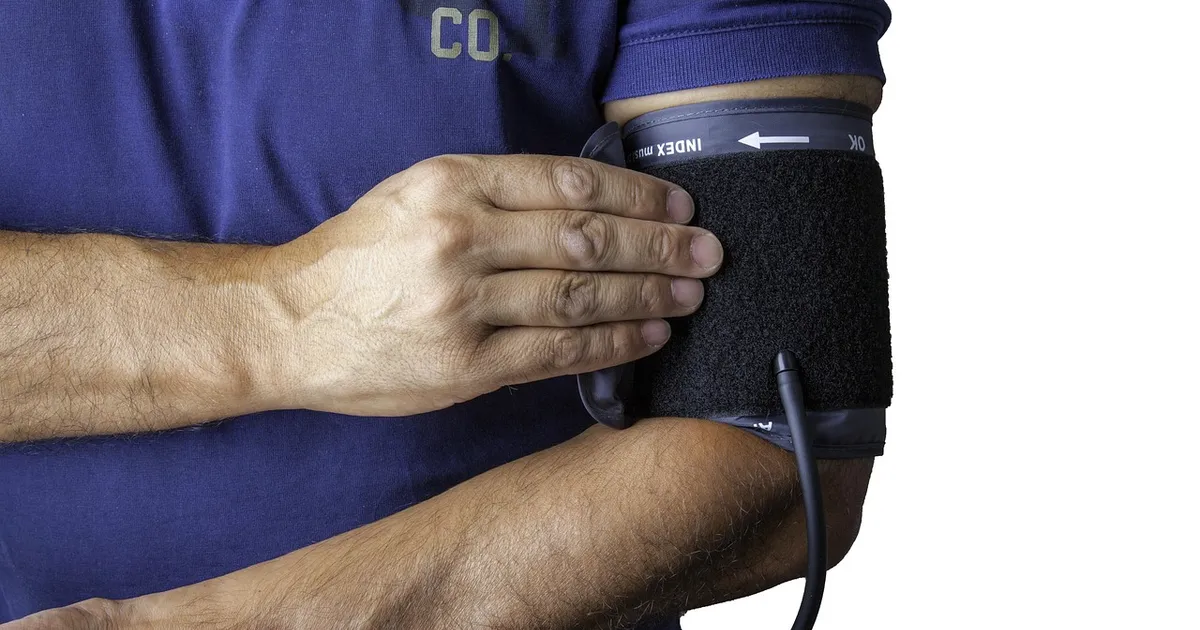
Photo: geraldoswald62, Pixabay Content License, via Pixabay (https://pixabay.com/photos/blood-pressure-monitor-health-1749577/)

 Fazlur Rahman