 Fazlur Rahman
At a glance
- Part time produce clerk associate hiring pays $14 to $20 an hour.
- Cashiers earn a median of $15.81 an hour.
- Stockers and order fillers earn $17.95 an hour.
- Farm and greenhouse workers earn $17.15 an hour.
- Produce work carries a spoilage cost that the wage covers.
Data last verified: November 2026 from Bureau of Labor Statistics occupational employment and wage estimates for May 2025, and grocery chain produce department job postings.
What do part time produce clerk associate hiring roles pay in 2026?
Part time produce clerk associate hiring pays $14 to $20 an hour, and the benchmark is the cashier median of $15.81 an hour.
That median is $32,880 a year for May 2025 estimates. A produce role is usually paid close to the checkout rate, because both are retail department roles, and the difference between them is usually the shift and the physical load rather than a skill premium.
The figure moves up when the role carries more than the counter. 15.
Our guide to part time retail jobs hiring near you covers the wider retail market, and part time grocery stocker night shift covers the backroom version of the same job.
| Role | Median hourly | Mean annual |
|---|---|---|
| Butchers and meat cutters | $18.84 | $39,190 |
| Stockers and order fillers | $17.95 | $39,540 |
| Farmworkers, crop, nursery and greenhouse | $17.15 | $37,630 mean |
| Food preparation workers | $17.46 | $36,630 mean |
| Cashiers | $15.81 | $32,880 |
Part time produce clerk associate hiring prices the case and the crates: culling, rotating, misting and building the display, usually before the doors open. The rate follows the store's volume, and the early hour is the real cost.
The rows price ten, twenty and thirty hours, and the morning build is the fixed anchor: the case has to be full and photo-ready before the first customer walks in.
How much can a part time produce clerk earn?
Twenty hours a week at $16 an hour produces about $640 gross, and $16,640 a year before tax.
Produce hours follow the delivery and the markdown cycle rather than the working week.
A department that receives a delivery at four in the morning needs somebody there, and a department with spoilage needs somebody to work the markdown rather than leave the stock to go over.
Over a full year, 20 hours a week at $16 an hour produces about $16,640 before tax.
A colleague on the $20 top of the band on the same schedule produces about $20,800, and the difference is usually a store with a bigger produce department and more responsibility attached to it.
Our guide to part time dog walker pet sitter covers the other job where the schedule follows the work rather than the clock.
| Hours a week | At $14 an hour | At $16 an hour | At $20 an hour |
|---|---|---|---|
| 10 hours | $140 | $160 | $200 |
| 20 hours | $280 | $320 | $400 |
| 30 hours | $420 | $480 | $600 |
| 20 hours a week over 52 weeks | $14,560 a year | $16,640 | $20,800 |
A shift is the case in motion: cull the wilted, rotate the dates, mist the greens, stack the crates and build the end cap for the weekend ad. The display is the store's first impression, and the clerk is its editor.
Cull discipline is the margin: a wilted item left on the case sells the whole department short, and the write-off log is the manager's daily read. The clerk who culls honestly is trusted with orders.
What does a produce clerk actually do?
Four parts, and the first one is a skill that takes a season to learn.
The first is the handling, which is knowing how each item should be stacked, misted, trimmed and rotated. Produce is not a shelf of identical boxes, and a colleague who damages the stock is destroying the margin on the department.
The second is the rotation, which is moving the older stock to the front and the newer stock to the back.
It is the single most valuable thing a produce clerk does, and it is the reason experienced produce workers are worth more than the entry rate even where the published band does not say so.
The third is the markdown, which is marking down the stock that will not sell and recording it, and the fourth is the customer side, which is answering the question about ripeness and origin and helping somebody choose a bunch of apples.
Our guide to part time barista coffee shop hiring covers the other department role where the customer advice is part of the job.
| Task | Share of the shift | What it needs |
|---|---|---|
| Handling, rotation and display | About a third | Product knowledge and care |
| Receiving and breaking down deliveries | About a quarter | Physical strength and method |
| Markdowns and spoilage records | About a sixth | Accuracy and judgement |
| Customer service and the department cover | About a sixth | Good manner |
One detail a candidate should ask about is whether the department is self-service or full service, because a self-service produce area is mostly stocking and a full service one is mostly customer contact. The two jobs overlap, and the rate follows the balance between them.
The second is whether the store runs its own kitchen. A grocery with an in-house kitchen that prepares the salads and the meals has a bench role in the produce department, and that is the version that pays above the band.
The order clerk track is the ladder: someone has to decide how many crates of tomatoes a week actually needs, and that person earns a salary band above the case.
Which produce departments pay the most?
A large chain with a full produce department pays more, and the store format decides how much.
Four employer types. A large supermarket chain is the largest employer of produce clerks, and it publishes a band for the department rather than for the store.
A warehouse club comes next, and it pays more in some markets because the produce volume is higher and the work is more specialised. A small independent grocer is third, and it is where the rate varies most because the owner sets it.
The fourth is the fresh distribution centre that supplies the stores, which pays at the stocker or food preparation rate and involves no customer contact at all.
Our guide to part time catering staff staff hiring covers the other food role where the shift is driven by a delivery cycle.
What skills does a produce clerk need?
Product knowledge and the willingness to work early, and that is genuinely the list.
There is no occupation-wide certification for this role, because it is usually titled produce clerk, produce associate or department team member. Most employers want a high school diploma and they screen on three things.
The first is the food handling training, which every store requires and which is usually a short paid course covering washing, temperature control and the allergen rules.
The second is the physical side, because the department involves lifting crates of fruit and working a pallet jack.
The third is availability, and it is the one that decides who actually gets hired. The receiving window is early and the markdown window is late, so a colleague who wants the department needs to be open at both ends.
Our guide to part time physical therapy aide hiring covers the other role where a short paid certificate decides the rate.
What should you check before accepting a produce job?
Five questions, and the first one decides the schedule.
The first is what the shift window is, because a produce role usually starts earlier than a checkout role and finishes later.
The second is whether the role includes the receiving and the markdown, because those two tasks are what move the rate up from the checkout band.
The third is the shift differential, if the department receives overnight. The fourth is the staff discount, which is worth more in this department than in any other part of the store.
The fifth is the schedule, and specifically whether the shift rotates or is fixed.
One detail is worth confirming in writing: who covers the department when the clerk is on break, because a single-person department means a colleague cannot leave the floor. Our guide to flexible part time jobs for students covers the scheduling question across the wider market.
One detail that catches people out in produce is the temperature. The department runs cold for the greens and the cut fruit, and a colleague who has not worked in it before will find the conditions harder than the rest of the store.
Do produce clerk jobs come with benefits?
The large chain carries a package, and the independent grocer usually does not.
A large supermarket chain runs the standard hourly employer model, with health coverage above an hours threshold. A colleague working twenty-five hours across five shifts can clear a threshold that the same hours would not clear at a five-day employer.
An independent grocer pays a wage and the staff discount, and the staff discount in a produce department is unusually valuable because the product is the thing the colleague knows best.
Two features are worth asking about in the chain route: whether the early shift differential applies, and whether the shift premium counts towards the hours needed for the benefits threshold.
Our guide to part time remote chat support jobs covers the other role where the employment type changes the rate by the same margin.
How do you find part time produce clerk work near you?
Search the chain with the department, because the postings sit under the department rather than under the store.
Three routes work. The first is the chain careers site, where produce is usually one of the departments you can filter on. The second is a staffing agency that supplies grocery staff, which is the fastest route into a produce role.
The third is a direct approach to the store, and it is worth trying even for a chain because the department manager frequently has hiring latitude.
Our guide to part time hotel front desk clerk covers the other sector where a local employer hires directly and often.
Two questions settle the rest. What the shift window is, and whether the role includes the receiving and the markdown.
What changes about produce hiring next?
Expect more of the work to be about the shelf and less about the crate.
Three forces shape the next two years. The pre-cut and pre-washed produce lines have taken some of the trimming and prep out of the department, which pushes the role towards the display and the rotation.
The second is the loss prevention focus, which has tightened across grocery after a run of high-profile cases, and which turns part of the job towards the markdown and the record.
The third is the labour market, because the early produce window is the hardest shift in the store to fill.
95, and the gap between them is what a department colleague earns for taking on the delivery and the markdown.
Our guide to part time remote data annotation collector covers the other role where the task changes shape rather than disappearing.
Next steps
Ask what the shift window is and whether the role includes the delivery and the markdown.
- Compare the rate with the $15.81 cashier median and the $17.95 stocker median
- Ask what the shift window is, because it starts earlier than a checkout role
- Find out whether the role includes the receiving and the markdown
- Check the shift differential if the department receives overnight
- Ask what the staff discount is worth in this department
- Confirm who covers the floor during a break
One final thought. The pay figures here are occupation medians and published employer rates, which is the best guide available before an interview.
The Bureau of Labor Statistics occupation profile gives the entry requirements and the outlook for the retail work behind the counter, which is the quickest way to check what an employer will ask for on day one.
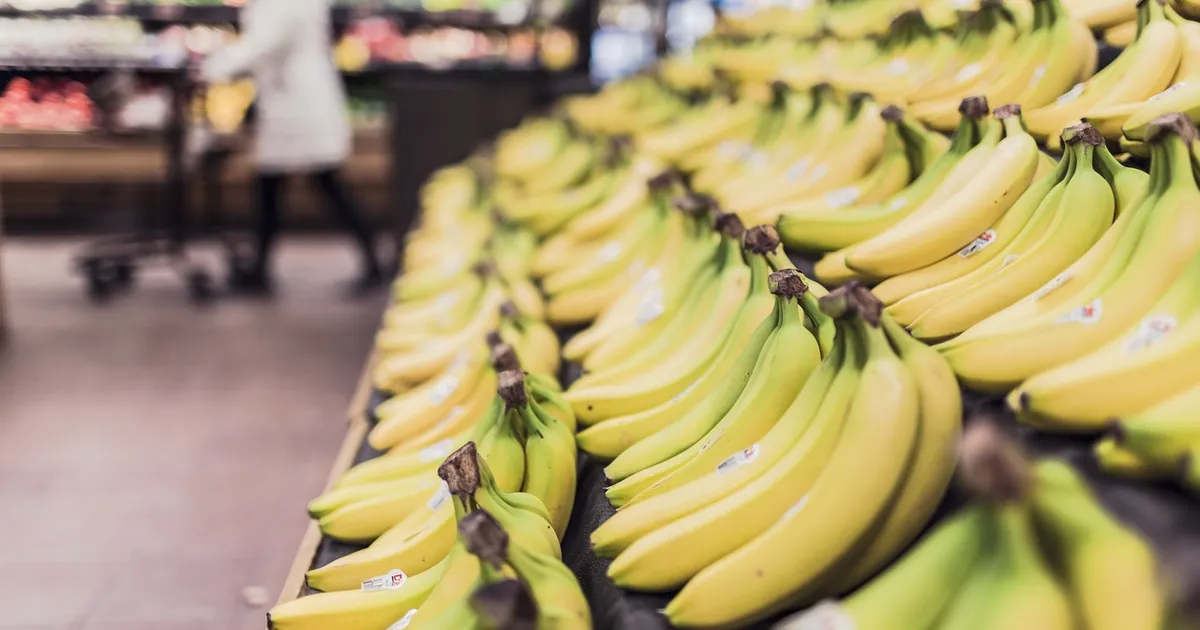
Photo: StockSnap, Pixabay Content License, via Pixabay (https://pixabay.com/photos/bananas-fruits-food-grocery-store-698608/)