The hours are capped, the wage is set by the campus scale, and the appointment runs for the term or the grant period.
Graduate research assistant positions are usually funded as stipends from the grant itself, and the stipend may not sit on the campus wage scale at all.
A candidate comparing the two should ask which funding route applies, because it decides the rate, the cap and the benefits.
One practical difference is the grant cycle. A grant-funded appointment ends when the funding ends, so it is less secure than a permanent campus post, and a candidate should ask how long the current funding runs.
How much can a research assistant earn?
Fifteen hours a week at $16.50 an hour produces about $248 gross, and a 36 week semester on that schedule is roughly $8,910.
The rate comparison to make is with the wider student job market. Cashiers earn a median of $15.81 an hour, receptionists $18.28, and customer service representatives $21.52, so a mid-scale research assistant rate sits above retail and below the office end.
Over a full academic year, 15 hours a week at $16.50 produces about $12,870 before tax.
A colleague on the top campus band of $21.50 produces about $16,770 on the same schedule, which is the difference between a campus research role and a summer internship in the same lab.
Gross earnings for a part-time research assistant| Hours a week | At $10.00 an hour | At $16.50 an hour | At $21.50 an hour |
|---|
| 8 hours | $80 | $132 | $172 |
| 15 hours | $150 | $248 | $323 |
| 20 hours | $200 | $330 | $430 |
| 15 hours a week over 36 weeks | $5,400 | $8,910 | $11,628 |
Why is it worth doing?
Three reasons that have nothing to do with the wage.
The first is the reference. A research assistant role attached to a named lab and a named project is the strongest line on an undergraduate CV for any science or social science application, because it proves you can handle a project that nobody supervised closely.
The second is the skill. Lab technique, data handling and the discipline of a grant schedule are exactly the things that make an internship application credible two years later.
The third is the pathway. Many labs hire their graduate students from their undergraduate assistants, so the hourly campus role is often the cheapest route into the paid version of the same work.
Our guide to part time teaching assistant jobs university covers the other campus role with the same logic.
How do you find a research assistant job?
Look at the labs rather than the job board, because the hiring starts with the principal investigator.
Three routes work. The department careers page lists the departmental research assistant positions. The graduate school posts work study eligible research roles, which are often the undergraduate version of a graduate appointment.
The third is direct. A student who has been in a class run by a lab, or who has attended a research seminar, can email the principal investigator and ask whether the group is hiring assistants. That is how most undergraduate research placements actually start.
Two questions to ask. How long the funding runs, and what the training requirement is. Our guide to flexible part time jobs for students covers the availability conversation that these roles need.
What changes about research assistant hiring next?
Expect more of the data work to be automated and more of the specimen work to need people.
Three forces shape the next two years. Data processing tools have absorbed the routine cleaning work, which moves the assistant towards analysis support. Grant budgets keep writing more of the salary line, which is what funds these appointments in the first place.
The pressure is on the funding cycle. Grant-funded positions are the first to stop when a grant ends, and the hiring has become more selective because the funding is tighter.
For a candidate the conclusion is that a research assistant role is worth less as a wage and worth more as a route into a longer training path, and the questions to ask are about the project rather than about the rate.
Next steps
Approach the lab rather than the job board, and ask what the training involves before you accept.
- Check the campus wage scale, where published rates run from $10.00 to $21.50 an hour
- Ask whether the appointment is hourly wage or grant-funded stipend
- Ask how long the current funding runs and when it renews
- Find out what training the role needs and who pays for it
- Work out how the hours fit around lab and class times
- Ask whether the role can lead to the graduate version of the same project
One final thought. The rates here come from published campus policies and the federal handbook, which is the best guide available before an application.
gov/understand-aid/types/work-study">Federal Student Aid work study page sets out the programme rules, including the hourly-only payment rule and the federal minimum wage floor that every work study employer must meet.
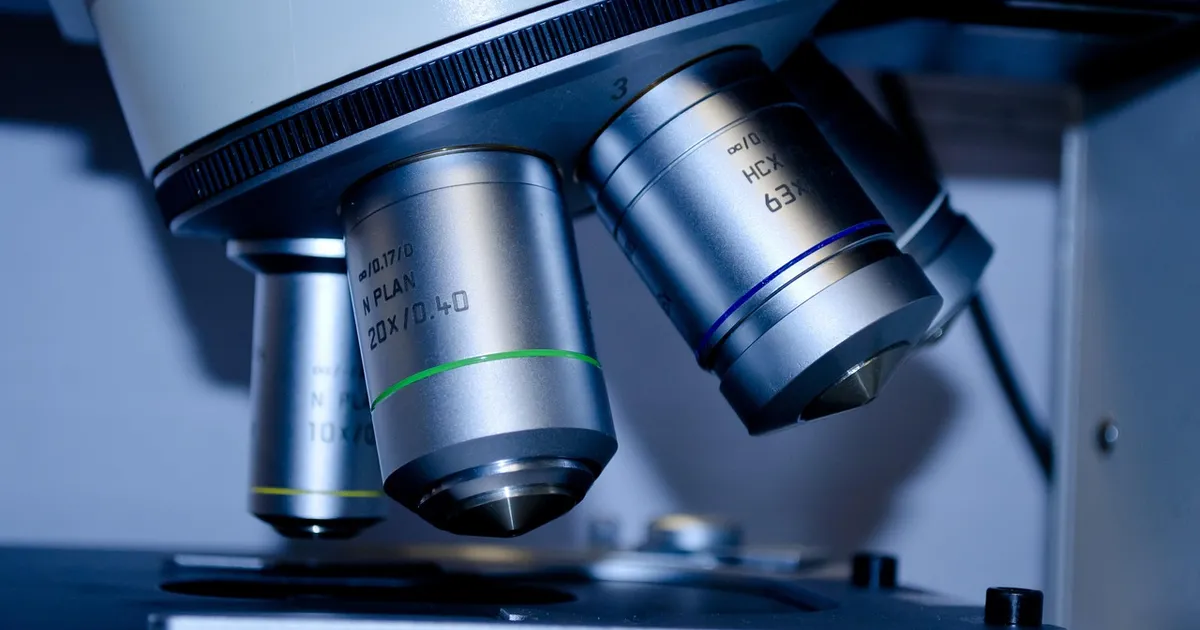
Photo: PublicDomainPictures, Pixabay Content License, via Pixabay (https://pixabay.com/photos/microscope-slide-research-close-up-275984/)

 Fazlur Rahman