| Roof area | Shingles and labor | Add tear off and underlayment | Estimated total |
|---|
| 1,300 square feet | $7,150 to $9,750 | $2,500 to $4,000 | $9,650 to $13,750 |
| 1,700 square feet | $9,350 to $12,750 | $3,000 to $4,500 | $12,350 to $17,250 |
| 2,100 square feet | $11,550 to $15,750 | $3,500 to $5,000 | $15,050 to $20,750 |
| 2,500 square feet | $13,750 to $18,750 | $4,000 to $5,500 | $17,750 to $24,250 |
A 2,000 square foot roof with architectural shingles lands between $14,500 and $22,000 in most 2026 quotes, which matches the table. If a quote comes in far below the low end, find out what was left out. If it comes in far above, ask whether the price includes a different material or a steeper pitch.
Should you replace a roof or repair it?
Replacement makes sense when the shingles are curling or the granule surface has worn away, when you have had two or more repairs on the same area, when the deck shows rot, or when a storm has lifted sections. Repairs make sense when the damage is one small section and the rest of the roof is in good shape. A patch on a roof that needs replacing buys you a couple of years and costs you the chance to spread the new roof cost over the life of the house.
One practical test. Look at the roof from the ground with binoculars at the end of summer, which is when the sun is low. Curling edges, bare patches, and dark streaks from algae are all visible without a ladder. If the problem covers more than about a fifth of the surface, price a replacement rather than another repair.
What line items are missing from most quotes?
Three. Removing and disposing of the old roof costs roughly $1,200 on a mid sized job, because it takes labor, a dumpster, and a magnetic roller to collect nails. Underlayment, flashing, and new vent work adds about $2,000. A permit runs $350 or more depending on the city.
Ask for each as a separate line on the written quote. When the extras are buried in one lump sum, two quotes that differ by $4,000 are impossible to compare, because you cannot tell whether one roof is better or whether one quote simply covers less work.
What changes the price besides size and material?
Pitch, complexity, and access. A steep roof costs more because workers need fall protection and more setup time. Multiple roof lines, dormers, skylights, and chimneys add labor for each one. A tight lot with no driveway access costs more because the crew cannot park a truck next to the house. Removing a second layer of shingles costs extra if the old roof was never taken off.
Two more factors show up on older homes. If the deck under the shingles is rotten, new plywood sheathing is an extra line item. And if the attic ventilation is poor, a good contractor will include ridge vents and intake venting in the scope. Our guide to roof replacement cost walks through each component in more detail.
How do you compare roof replacement quotes?
Compare identical scope, item by item. The same shingle brand and weight, the same underlayment, the same flashing work, the same number of layers removed, and the same manufacturer and workmanship warranty. Then compare the total price, not the price per square foot, because the per square foot figure hides the extras that decide the real cost.
Watch the warranty. Manufacturer warranties cover defects and usually require registered installation. Workmanship warranties come from the contractor, and the stronger ones cover the labor for 10 to 20 years. A low bid with a one year workmanship warranty is a different purchase, not a better one.
Financing is another angle. A roof is often covered by a home warranty plan rather than insurance, and the difference matters, so read our guide to the best home warranty companies before you assume you are on your own. If your area has had storm damage, the cost conversation changes, and our guide to cheapest home insurance in Texas explains how deductibles work in one of the states where hail claims are common.
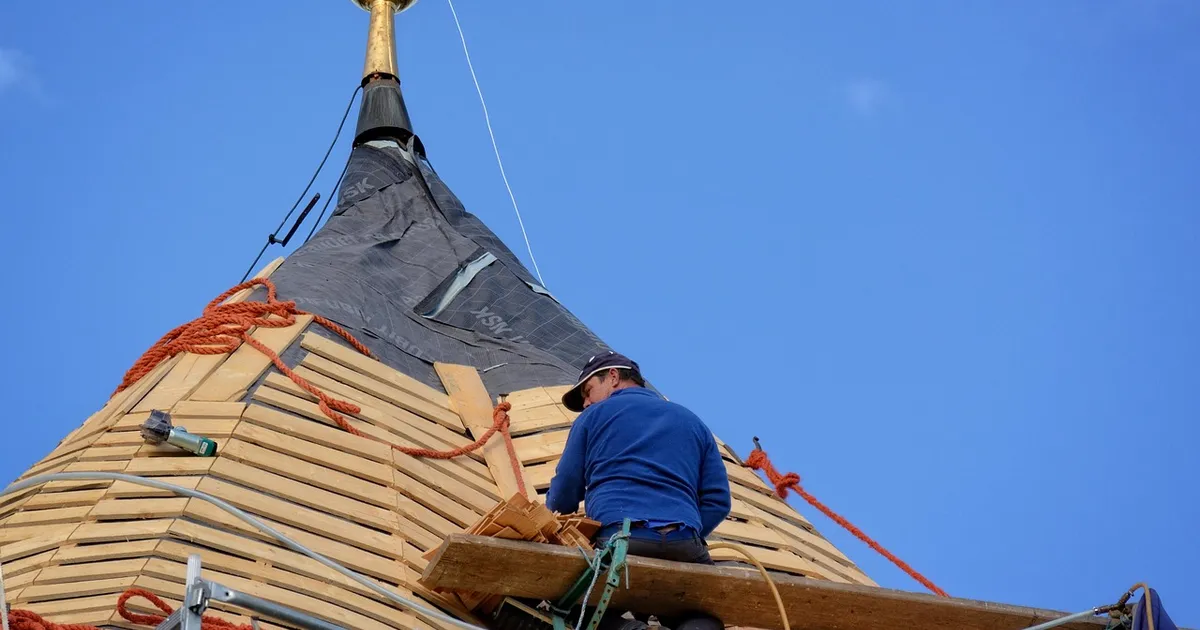
Photo: Antranias, Pixabay Content License, via Pixabay (https://pixabay.com/photos/work-craft-roofers-roof-work-1053210/)

 Fazlur Rahman