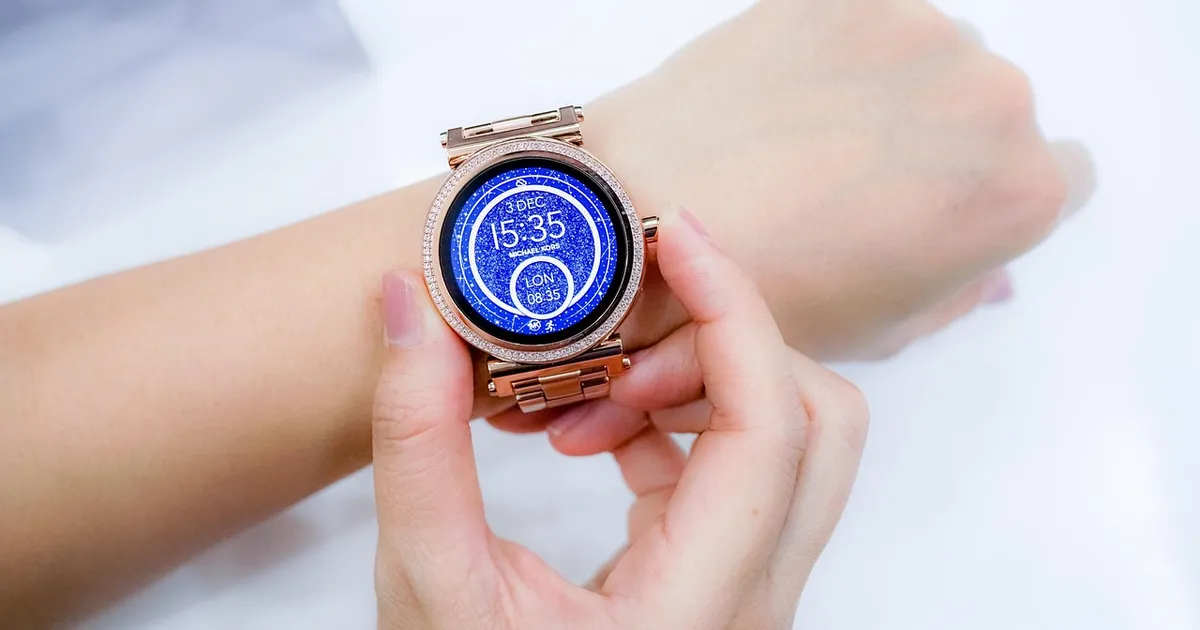
Value buyers should start with our list of the best smartwatches under 500 for the feature list, and anyone who only wants steps and sleep can start with the best fitness trackers under 150 instead of buying a watch they will not charge every night.
How is AI changing wearables?
Assistants are moving out of the phone and into things you wear. Earbuds translate a conversation, glasses show live captions, and watches answer questions about your own data in plain words. The useful shift is not a chat window. It is that the device already has your steps, heart rate and sleep, so the answer can be specific.
Two cautions. First, many of these features need a recent phone and a paid plan. Second, on device processing matters for privacy, because a summary that never leaves the watch is a different promise from one sent to a cloud service. Check which features work with the phone you own today.
For people who run and train, voice guidance in open ear audio is the practical version of the trend. Our guide to the best open ear earbuds covers the models that keep you aware of traffic while you run.
What about battery life, price, and subscriptions?
Battery life is the clearest dividing line between categories. A ring lasts several days. A fitness band lasts close to a week. A smartwatch lasts about a day. Earbuds last a full workday with the case. Glasses last a few hours per charge unless you carry the case.
Price follows the same pattern. Bands cost little, watches sit in the middle, and rings with health clearances now start near 400 dollars. Then the subscription arrives. Oura charged 5.99 dollars a month or 69.99 dollars a year in 2026, and Whoop listed yearly plans from 199 dollars to 359 dollars. The hardware usually works without paying, but the coaching and the long term trends are what the plan sells.
Do the two year math before you buy. A 300 dollar device with a 70 dollar yearly plan costs 440 dollars over two years, and that is the fair comparison against a 400 dollar device that asks for nothing.
Which wearable should you buy in 2026?
Start with the job. If you want to ask questions, take photos and talk with your hands free, look at smart glasses. If you want sleep and recovery numbers without a screen or a nightly charge, look at smart rings. If you want calls, payments, fall detection and heart rhythm checks, look at smartwatches. If you only want steps and sleep, look at a fitness band and save the money.
Then check the ecosystem. A watch from the same maker as your phone saves setup time and keeps notifications working. A ring needs a phone app and a membership. Glasses need a phone and, in many cases, a second device for the display models. Buying the cheap version of the wrong category costs more in the end than buying the right one at a higher price.

 Fazlur Rahman