What to Watch After the Handshake
Three markers will show whether the thaw has substance. First, whether the boundary process language converts into scheduled talks or disengagement steps. Second, whether the financial-cooperation commitment produces named projects, especially as China prepares its 2027 chairship program. Third, whether the AI Open Source Zone and Special Economic Zone partnership move from announcement to signed framework under Beijing's chair year. Xi departed Delhi on September 13, with both governments keeping expectations deliberately low (The Straits Times, Reuters via Al-Monitor, WION, September 2026).
How the visit fits the larger BRICS story
Xi's presence in New Delhi was the symbolic centrepiece of the BRICS summit, and the bilateral was carefully staged to show that Asia's two largest powers can manage their differences within a multilateral setting. Indian officials pointed to four outcomes as concrete evidence of the thaw: the boundary question is back on the formal diplomatic track, the prime minister and the president met one-on-one for the first time since 2019, both sides endorsed a financial-cooperation agenda that has practical deliverables, and the public readouts avoided the heated rhetoric that has characterised recent years. Critics argue that the language on the boundary question remains vague, and that the visit produced no concrete disengagement steps on the Line of Actual Control. Supporters counter that the gap between India and China is now being bridged through the back channel, and that the BRICS setting gave both leaders a politically face-saving way to meet (The Straits Times, Reuters, WION, September 2026).
What Tibetans and human-rights groups said
The visit was accompanied by protests from Tibetan exile groups, who gathered in central Delhi and in Dharamsala to mark the visit and to call attention to the situation in Tibet. The Indian government did not publicly engage with the protests, although security was tightened around the embassy district and around the routes used by the Chinese delegation. Human-rights groups also raised concerns about the use of Pegasus-style surveillance technology during the visit, and asked the Indian government to publish a list of foreign dignitaries whose devices were monitored under national-security warrants (The Straits Times, Reuters, September 2026).
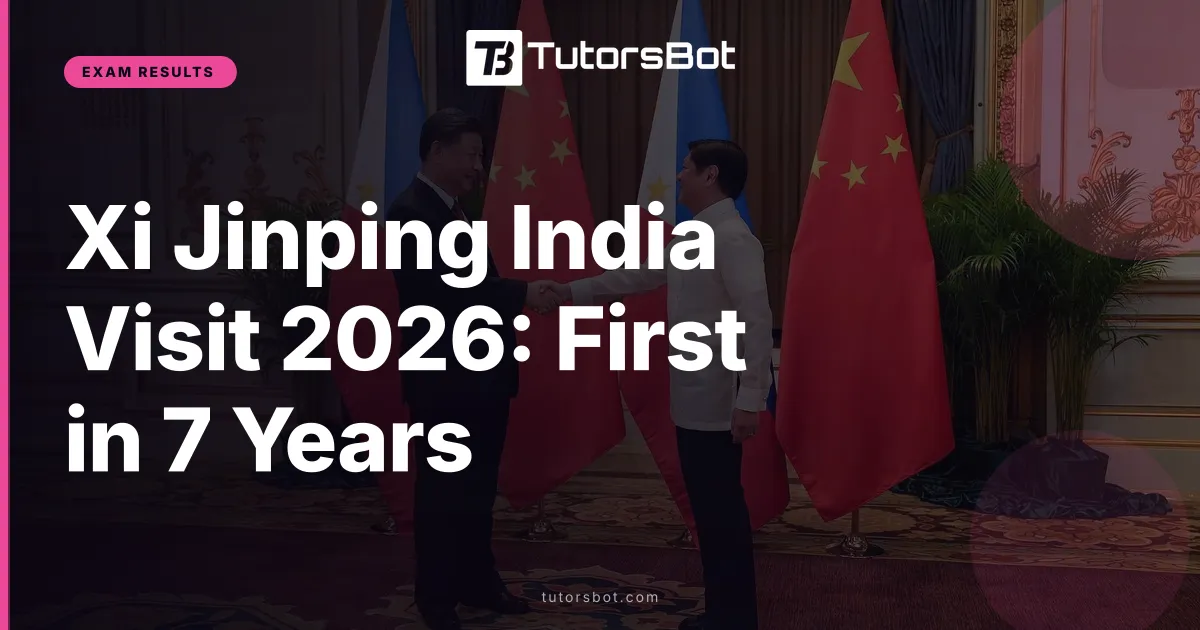
Photo: 𝗢𝗣𝗦-𝗢𝗜𝗖 𝗨𝗻𝗱𝗲𝗿𝘀𝗲𝗰𝗿𝗲𝘁𝗮𝗿𝘆 𝗖𝗵𝗲𝗹𝗼𝘆 𝗩𝗲𝗹𝗶𝗰𝗮𝗿𝗶𝗮-𝗚𝗮𝗿𝗮𝗳𝗶𝗹, PUBLIC DOMAIN, via Wikimedia Commons (https://upload.wikimedia.org/wikipedia/commons/0/02/Bongbong_Marcos_and_Xi_Jinping_3.jpg?utm_source=commons.wikimedia.org&utm_campaign=imageinfo&utm_content=original)

 Fazlur Rahman