At $33 an hour the annual figure reaches $68,640, which puts those roles above the 75th percentile for the chemical technician occupation.
Shift work changes the total. Lilly runs night shift technician roles, including quality environmental monitoring posts in Concord, North Carolina, and a night shift differential or overtime sits outside the base rate published above.
Gross earnings for an Eli Lilly technician at common rates| Schedule | At $26.03 an hour | At $27.77 an hour | At $27.83 an hour | At $33.00 an hour |
|---|
| 37.5 hours | $976 | $1,041 | $1,044 | $1,238 |
| 40 hours | $1,041 | $1,111 | $1,113 | $1,320 |
| 45 hours | $1,171 | $1,250 | $1,252 | $1,485 |
| 40 hours, annualized over 52 weeks | $54,142 | $57,762 | $57,886 | $68,640 |
The greenfield rebuilds are changing the skills mix on the floor. New sites run advanced data collection, which means technicians who can read process data and act on it are worth more than those who only run the line.
What does the work look like on a Lilly site?
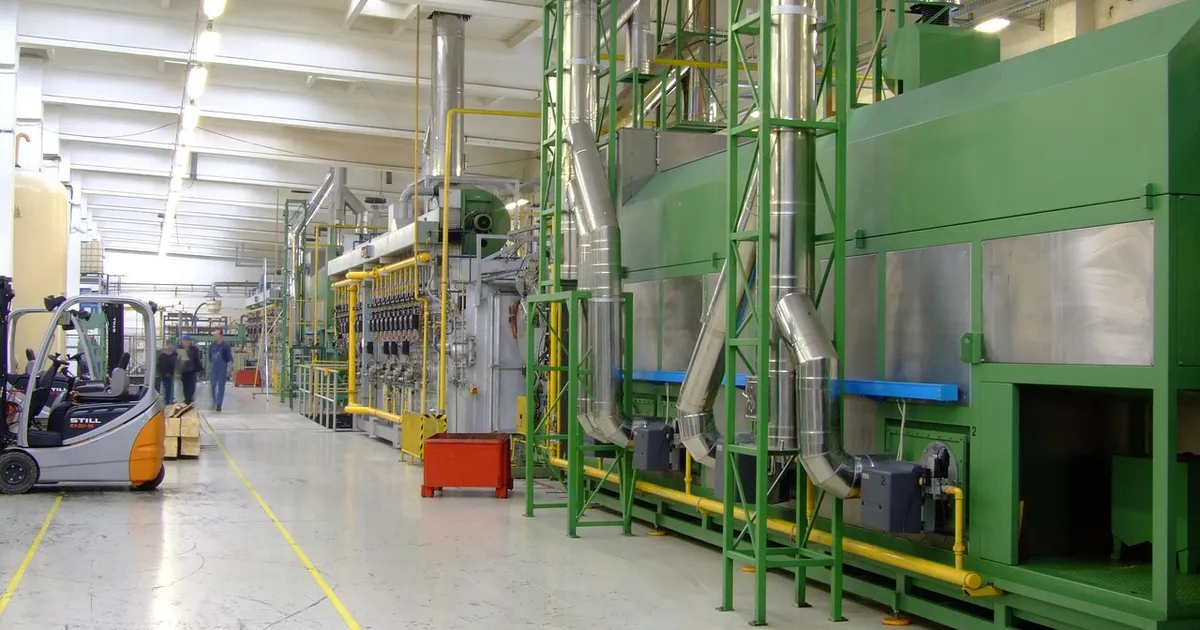
Manufacturing roles at Lilly run on production and quality systems inside plants that are being rebuilt for the next generation of medicines. The Lebanon, Indiana site is the Lilly Medicine Foundry, a greenfield campus announced in 2023 and designed around advanced data collection and next-generation manufacturing technology.
The company also invested in a next-generation biotech drug substance facility at Raheen in Limerick, Ireland, described as the most technically advanced manufacturing site the company has built.
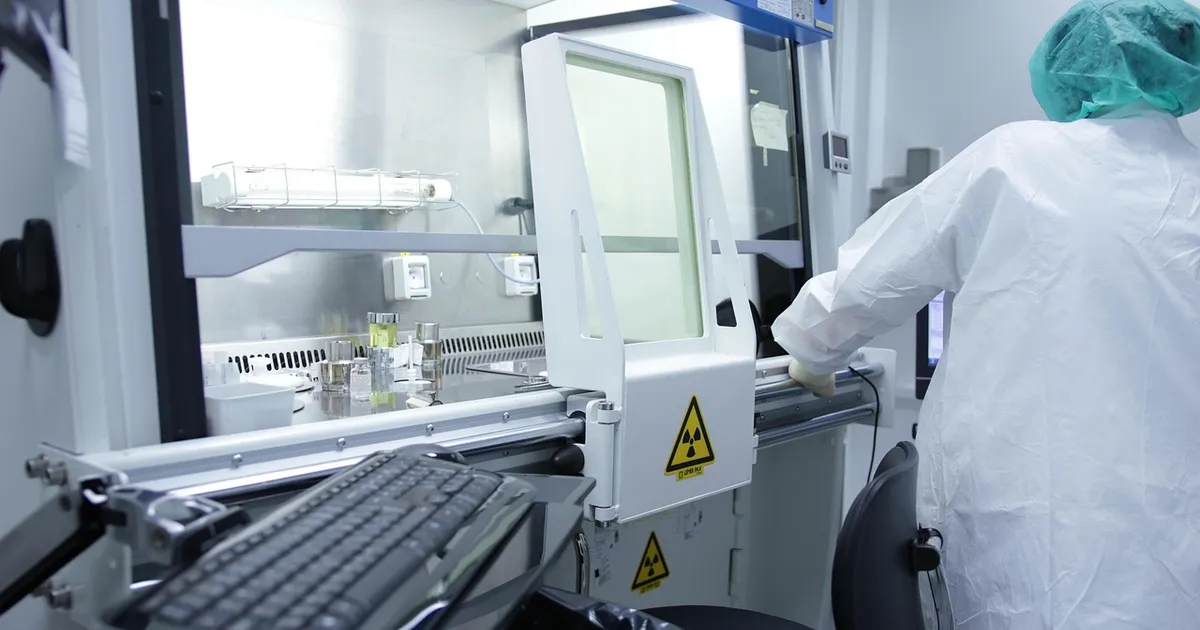
Day to day, the work means running and monitoring equipment, keeping quality records, and working inside clean production areas with protective clothing and documented procedures. Some of the most visible technician posts are on night shifts, which is where environmental monitoring and maintenance coverage run around the clock.
Nineteen paid holiday and company shutdown days is roughly four weeks on top of vacation, and the shutdown days are paid whether or not a plant is running.
What benefits come with an Eli Lilly job?
The time-off package is the headline: 3 to 6 weeks of vacation based on service, and up to 19 paid holiday and company shutdown days. Vacation days can be traded or bought on top of the entitlement.
There is also one additional week of paid time off in every fifth anniversary year, and paid leave for emergency and compassionate care and illness. The health and retirement pages are organised separately on the careers site, with money benefits covering pay, stock and retirement programmes.
What the Eli Lilly benefits package covers for US employees| Area | What it includes |
|---|
| Vacation | 3 to 6 weeks based on service, with trading or purchase options |
| Holidays and shutdowns | Up to 19 paid holiday and company shutdown days |
| Service recognition | One extra week of paid time off in every fifth anniversary year |
| Parental leave | 12 weeks paid and 8 weeks unpaid for all new parents, plus 8 weeks paid maternity |
| Care leave | Paid time off for emergency and compassionate care and illness |
| Retirement | Pension benefit after 5 years of service, 401(k) with up to 6 percent match, retiree medical |
| Protection | Life and disability insurance for colleagues and families |
The five-year service requirement changes how the pension is valued in a job offer. Two employers with similar rates can differ by thousands of dollars a year in the long run, and this is the case where the difference is largest.
How strong is the retirement package at Lilly?
Lilly runs a defined-benefit pension that pays a pension benefit after five years of service, and it sits alongside a 401(k) with a company match of up to 6 percent. Very few large employers still offer both.
The match is unusual in how it works. The company can apply the match to your contributions, to qualified student loan payments, or to a combination of both, which means a technician carrying student debt can capture the full match without diverting money into an account first.
Retiree medical coverage continues the health benefits into the retirement years, and life and disability insurance covers colleagues and their families. Third-party retirement commentary describes the overall package as benefits-heavy, with base pay and raises the conservative side of the trade-off.
The Eli Lilly manufacturing technician pay rate sits within a dollar of the chemical technician median, and the 10th percentile of the occupation at $20.07 an hour shows what a new technician without a specialty can expect elsewhere.
BLS wage percentiles for laboratory and technician occupations, May 2025| Occupation | 10th percentile | Median | 90th percentile |
|---|
| Biological Technicians | $19.39 | $27.65 | $40.84 |
| Chemical Technicians | $20.07 | $29.03 | $44.25 |
| Clinical Laboratory Technologists and Technicians | $18.71 | $30.25 | $48.55 |
| Medical Scientists, except epidemiologists | $31.15 | $49.72 | $85.47 |
How does Lilly pay compare with the BLS technician medians?
The closest national benchmark is the BLS occupation for chemical technicians, whose median wage was $60,390 a year in May 2025, or $29.03 an hour. The Lilly quality technician average of $26.03 and the manufacturing technician average of $27.83 both sit below that line.
Biological technicians come in at $27.65 an hour and clinical laboratory technologists and technicians at $30.25, so the Lilly manufacturing technician figure sits at the biological technician level and the quality technician figure sits below it.
The occupation spread runs from $20.07 an hour at the 10th percentile to $44.25 at the 90th, so a Lilly technician on the base rate is in the middle of the market rather than near the top of it.
The Eli Lilly manufacturing technician pay rate is not the highest in this group, and the company is comfortable with that. The pension and shutdown days are the currency it uses instead of a higher hourly number.
How does Eli Lilly pay compare with other employers in this cluster?
On the hourly rate, Lilly sits in the middle of this group, and the gap to the leaders is around $5 to $10 an hour. Pfizer publishes $28.76 to $47.93 for a senior bioprocess technician and AbbVie publishes $23.10 to $41.60 for a manufacturing technician.
Merck publishes annual ranges that convert to $26.88 to $42.36 an hour, and Bristol Myers Squibb reports about $36.95 an hour for laboratory assistants in New Jersey, a research title that sits above plant work.
The benefit comparison is where Lilly takes the lead. A pension after five years of service is something Merck and Johnson and Johnson both offer and Bristol Myers Squibb no longer does, and 19 paid holiday and shutdown days is more time off than the rest of the group publishes.
Hourly pay and retirement packages compared across employers| Employer | Technician pay | 401(k) match | Pension |
|---|
| Eli Lilly | $26.03 to $27.83 an hour | Up to 6 percent | Defined benefit after 5 years of service |
| Pfizer | $28.76 to $47.93 an hour | 100 percent of the first 3 percent, 50 percent of the next 3 percent | Not listed |
| AbbVie | $23.10 to $41.60 an hour | Up to 6 percent | Reported at some sites |
| Merck | $26.88 to $42.36 an hour | $0.65 to $0.75 per $1 up to 6 percent | Defined benefit |
| Bristol Myers Squibb | About $36.95 an hour | 100 percent of the first 6 percent | Ended in 2019 |
Expect premium pay and faster progression to do the recruiting work first, because those are cheaper than lifting published rates across every site at once.
What happens to Eli Lilly manufacturing technician pay next?
Expect the base rate to rise slowly while the site count rises fast. The Lebanon Medicine Foundry and the Limerick biotech campus are both described as creating hundreds of high-skill jobs, and technician hiring follows that capacity.
The constraint is the same one facing every pharmaceutical manufacturer in this cluster. Skilled operators who can work clean production areas on rotating shifts are scarce, and sites compete for them with premium pay and faster progression.
For applicants, the practical move is to ask which site and which shift the offer covers, then price the pension and shutdown days into the comparison rather than reading the base rate on its own.
Next steps
Read the base rate and the shift together, then add the pension and shutdown days before comparing two offers.
Photo: marcin049, Pixabay Content License, via Pixabay (https://pixabay.com/photos/company-factory-production-186980/)

 Fazlur Rahman