| Part of Harvard | Who it is for | What it awards |
|---|
| Harvard College | Undergraduates | Bachelor of Arts or Bachelor of Science |
| Harvard Business School | MBA and doctoral business students | MBA and research degrees |
| Harvard Law School | Law students | Juris Doctor and Master of Laws |
| Harvard Medical School | Medical students | Doctor of Medicine |
| Harvard Extension School | Working adults, part time and online | Certificates and professional degrees |
| Graduate School of Arts and Sciences | Graduate students in arts and sciences | Master of Arts, Master of Science, PhD |
Why do people confuse Harvard College vs Harvard University?
Two reasons, and both are fair. The first is the Harvard College vs Harvard University naming itself, because every degree says Harvard University, as that is the legal name of the institution. A Harvard Extension School certificate and a Harvard College diploma both carry the same name on the bottom. Second, the famous programs are the graduate ones. Almost everyone knows the Harvard Law School and the Harvard Business School, and very few people can name a Harvard College concentration, so the brand feels like it belongs to the graduate side.
There is also a naming detail worth knowing. Harvard University and Radcliffe College merged in 1999, and the Radcliffe Institute for Advanced Study now sits inside the university. If you have read that Radcliffe is a separate college, that is history rather than current structure.
Is the Extension School worth it, and is it the same experience?
It is a different product with the same name on the diploma. The Extension School serves working adults with evening, weekend, and online courses, and it is priced as a professional program. The courses are taught by Harvard faculty and the school awards real Harvard credentials, which matters in fields where a Harvard certificate carries weight.
What it does not offer is the residential experience. No campus housing, no full time seminars, no peer group living alongside you for four years. For a nineteen year old with a scholarship, that is the whole value. For a thirty eight year old with a mortgage and a job, it is irrelevant. Our guide to the Harvard resume template shows how employers and the Harvard career office expect applicants to present themselves, which is useful whichever school you are applying to.
Does it matter which one you attend?
The Harvard College vs Harvard University difference is also about how the two are funded. Harvard College tuition is set for undergraduate day students, and the school commits to meeting the demonstrated financial need of every admitted undergraduate family. The Extension School is priced like a professional program, which is why the same word on the certificate means a different thing financially.
For a job, it matters less than people think at the brand level and more than people think at the degree level. Employers read the specific degree. A Harvard MBA, a Harvard JD, and a Harvard BA all say Harvard, and all three are read carefully for what they signal. A program that only the Harvard name carries, such as an Extension School certificate in a specialised field, can be a genuine differentiator.
What is true across the whole institution is that nobody gets a Harvard degree without doing the work. Our guide to Harvard versus MIT compares two very different cultures inside the same city, which is the closest comparison to what you are choosing between when you pick a Harvard school.
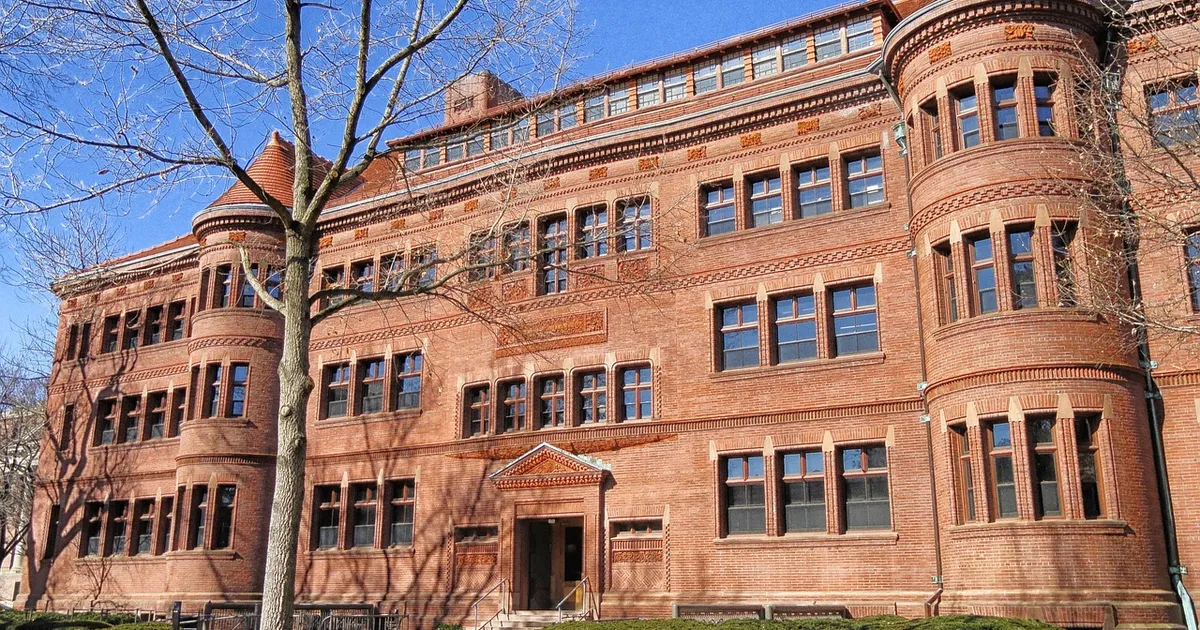
Photo: 12019, Pixabay Content License, via Pixabay (https://pixabay.com/photos/cambridge-massachusetts-103478/)

 Fazlur Rahman