The federal College Scorecard data shows the average net price after aid at about $19,148 for Harvard and $11,340 for Yale, with cost of attendance around $89,279 and $91,950 respectively. Yale looks cheaper on that measure, and the explanation is in how much each school gives to middle income families. Harvard reports that 45 percent of its students attend tuition free, and Yale has a long standing commitment to meet 100 percent of demonstrated need for families below a certain income. Our guide to Ivy League versus public universities puts both next to the public alternatives, which is where the value question gets interesting.
How do the two schools actually differ?
Size and culture. Harvard is the larger institution with a broader range of departments, more faculty, and more opportunities to switch fields, and its undergraduate body is spread across a wide campus. Yale is smaller and more concentrated, with a stronger residential tradition, and it has a well known culture of writing and discussion in small seminars that students and alumni consistently rate as a defining feature. In practice that means Yale students talk about their reading in seminars and Harvard students talk about it in a much larger lecture hall with a recitation section attached.
For the Harvard vs Yale comparison on paper, both are liberal arts colleges with low student to faculty ratios, both offer a long list of majors and concentrations, and both expect a lot of writing in the first year. The difference in scale changes the feel rather than the level. Yale sends you into a seminar of roughly a dozen people. Harvard sends you into a lecture of several hundred with a smaller discussion section attached.
Both are liberal arts colleges at heart, both have very low student to faculty ratios, and both hand out a famously wide range of majors and concentrations. Our guide to Harvard College versus Harvard University explains what each part of Harvard actually is, and our guide to Harvard versus MIT compares a third option in the same city.
Which has better outcomes?
Both are in the same category, and the category is far above average. The federal six year completion measure puts Harvard at about 97 percent and Yale at about 96 percent, against a national average of 64 percent for students who started at four year institutions, according to the National Center for Education Statistics. Both have what our guide to Ivy League graduation rates calls the completion pattern that makes these schools worth the price, and both place graduates into the same employers and graduate schools.
There is one more difference worth naming, because the Harvard vs Yale question usually comes from families comparing aid packages. Yale has made a public commitment to meet 100 percent of demonstrated need for families below a certain income, and Harvard reports that 45 percent of its students attend tuition free. Those two policies produce the gap in average net price, and they mean the sticker price comparison in the table above is the least useful number on the page for most families. Run each net price calculator with your own figures instead.
How should you decide?
Visit both, if you can afford it, and visit on a weekday. Look at how students talk to each other, how the help desk treats a walk in question, and whether the campus feels like a place you would want to be on a bad Tuesday. Then run the numbers on the net price calculator for your family, because the sticker price will not tell you what either school will charge you.
Apply to both, and also apply to the public universities that offer the same programs at a fraction of the price. Our guide to the best computer science colleges in the US shows where strong public programs deliver that outcome, and it is worth having an option with an average net price in the five figures.
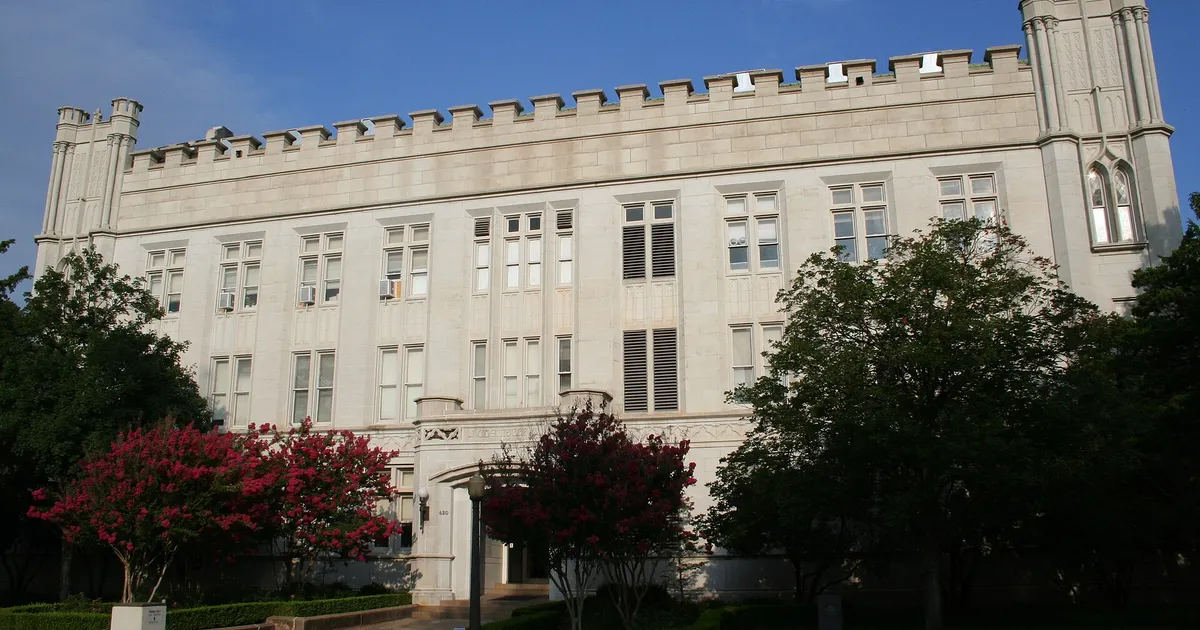
Photo: T3h wookiee, CC, via Wikimedia Commons (https://upload.wikimedia.org/wikipedia/commons/6/63/ChemistryBuilding.JPG?utm_source=commons.wikimedia.org&utm_campaign=imageinfo&utm_content=original)

 Fazlur Rahman