 Fazlur Rahman
Picking stem toys for kids depends on four things: the child's age, the skill you want to build, the setup you can manage, and power. Does the toy need batteries, or nothing at all? The four picks below cover ages 4 to 12, and three of them need no batteries.
Every pick comes from the maker's own age band and the Amazon listing, checked in November 2026. This guide shows no prices, and we did not handle these toys.
What makes a toy a STEM toy?
STEM stands for science, technology, engineering and math. A good STEM toy gets a child to try something and watch what happens. Then the child changes one part to see a different result. Check four things before you buy any of the stem toys for kids below. They are the age band the maker prints, one clear skill, a finish line the child can reach, and the power the toy needs.
Which stem toys for kids are worth buying in 2026?
Four picks cover most cases. LEGO Classic 10696 suits open building from age 4. Magnetworks covers physics at 5-8. The SC-100 covers circuits from age 8. Gravity Maze gives quiet solo logic work at 8-12.
| Pick | Age (maker's figure) | Key spec | STEM strand | Power |
|---|---|---|---|---|
| LEGO Classic 10696 | 4-100+ (Amazon title says 4-99) | 484 pieces, 35 colors | Engineering, spatial build | No batteries |
| Snap Circuits Explorer SC-100 | 8 and up | 100+ projects, 28 parts, no soldering | Electronics, circuits | Batteries needed, listed as excluded |
| Learning Resources Magnetworks | 5-8, not for under 3 | 46 pieces, 14 experiments | Physics, magnetism | No batteries |
| ThinkFun Gravity Maze | 8-12 | 9 towers, 3 marbles, 60 challenge cards | Logic, spatial reasoning | No batteries |
Checked November 2026 on the LEGO set page, the Learning Resources page and the Amazon listings.
Power is the cost parents forget. A toy that needs batteries means batteries to buy and a spare set in the drawer. Three of the four picks need none. The SC-100 does, so budget for them.
1. LEGO Classic Medium Creative Brick Box 10696 - ages 4 and up
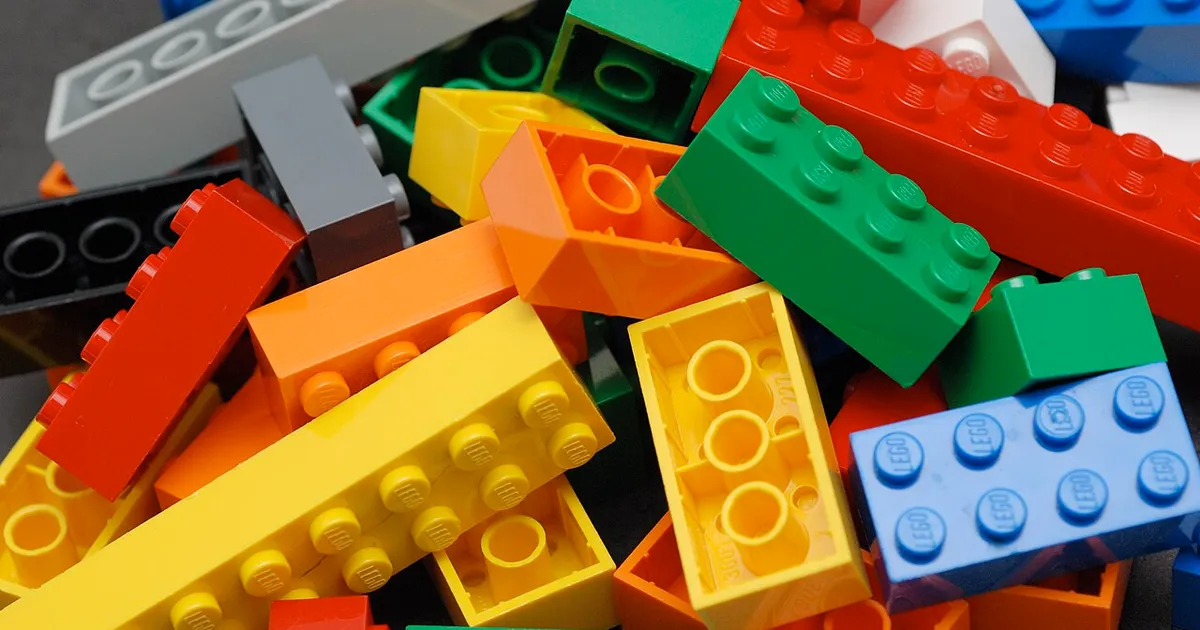
This set has 484 pieces in 35 colors, with 18 tires and wheel rims. LEGO's own set page lists the age band as 4-100+.
It suits a child who builds for an hour and walks away. The container doubles as storage. With this many bricks, a half-finished model is not a failure. The trade-off is storage, since loose bricks vanish into carpets.
2. SNAP CIRCUITS Explorer SC-100 STEM Electronics Kit, 100+ Projects, Ages 8+ - circuits
The kit has 100+ snap-together projects. It comes with a full-color project manual and needs no soldering or extra tools. It needs 2 AA batteries, and the box says they are not included.
It suits children who like a finish line, since every project ends with a working circuit. The listing title says 28 parts, but its bullets say 29. The age is 8 and up.
3. Learning Resources STEM Explorers Magnetworks - ages 5-8
The Learning Resources product page describes a 46-piece science set for ages 5-8. It has 14 experiments and a 20-page guide, and it is built for 1-3 kids at a time, so it suits sharing and turn-taking.
The maker says the magnets will not pinch fingers. There is no setup and no battery. The trade-off is that 14 experiments run out. The set is not for children under 3.
4. ThinkFun Gravity Maze - ages 8-12
The set has 9 towers, 3 marbles, a game grid and a target piece. The listing also names 60 challenge cards, from beginner to expert. You build a path on the grid so the marble reaches the target.
It suits children who play alone and need quiet work. The game uses no batteries. The trade-off is the marble, since a lost marble ends the session.
Two limits come straight from the listings. The SC-100 title says 28 parts and its bullets say 29. LEGO says 4-100+, while the Amazon title says 4-99.
How does the pick change as your child grows?
Age decides more than price. Makers print an age band because of grip, attention span and small parts. Follow the band, not the size of the box. No pick here starts below age 4, and the magnet set is not for children under 3. For younger children, see our best STEM toys for toddlers.
- 4-5 - LEGO 10696 first
- 5-8 - Magnetworks first, then circuits at 8
- 8-12 - SC-100 first, then Gravity Maze
Which stem learning toys for kids 6+ fit these picks?
For a 6- or 7-year-old, two picks match the maker's age band: LEGO Classic 10696 and Magnetworks. The SC-100 and Gravity Maze both start at 8, so they can wait for the eighth birthday.
What should a stem toy box for kids contain?
A shared toy box works best when every item has one job. Two or three kits fit in one basket. Pair one open build set, LEGO 10696, with one guided science kit, Magnetworks, and one quiet puzzle, Gravity Maze. Keep the circuit kit apart, so its small parts do not mix in.
Which stem toy should you buy if you are only buying one?
Buy by age band first. LEGO Classic 10696 has the most pieces, 484, so it gives the most ways to start over. Then match the rest to your child.
- Magnetworks - if the child is 5-8, or you want no setup and no batteries
- SC-100 - if the child is 8+ and wants finished circuits to beat
- Gravity Maze - if the child plays alone and needs a quiet challenge
- LEGO 10696 - if the toy has to survive being ignored
Do you need a screen, an app or batteries?
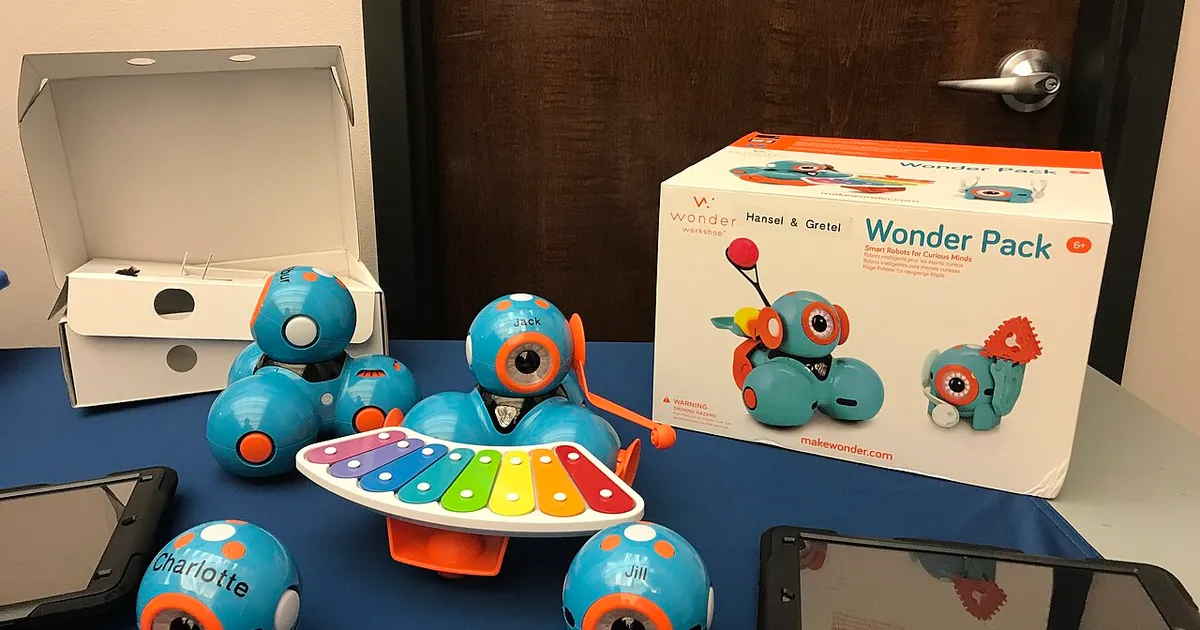
Three of the four picks need no batteries: LEGO 10696, Magnetworks and Gravity Maze. The SC-100 needs batteries, and its listing says they are excluded. None of the four needs a screen or an app. For a robot that connects to a tablet, see our coding robot for kids guide.
Next steps
Start with the age band and the maker's own warnings. Add the toy on a birthday rather than mid-term. When a child has solved every project in a kit, the next step is text-based coding on a device.
As an Amazon Associate, Tutorsbot earns from qualifying purchases. Disclosure.
Photo: Alan Chia, CC BY-SA 2.0, via Wikimedia Commons (https://commons.wikimedia.org/wiki/File:Lego_Color_Bricks.jpg)