Should you buy synthetic or natural bristles?
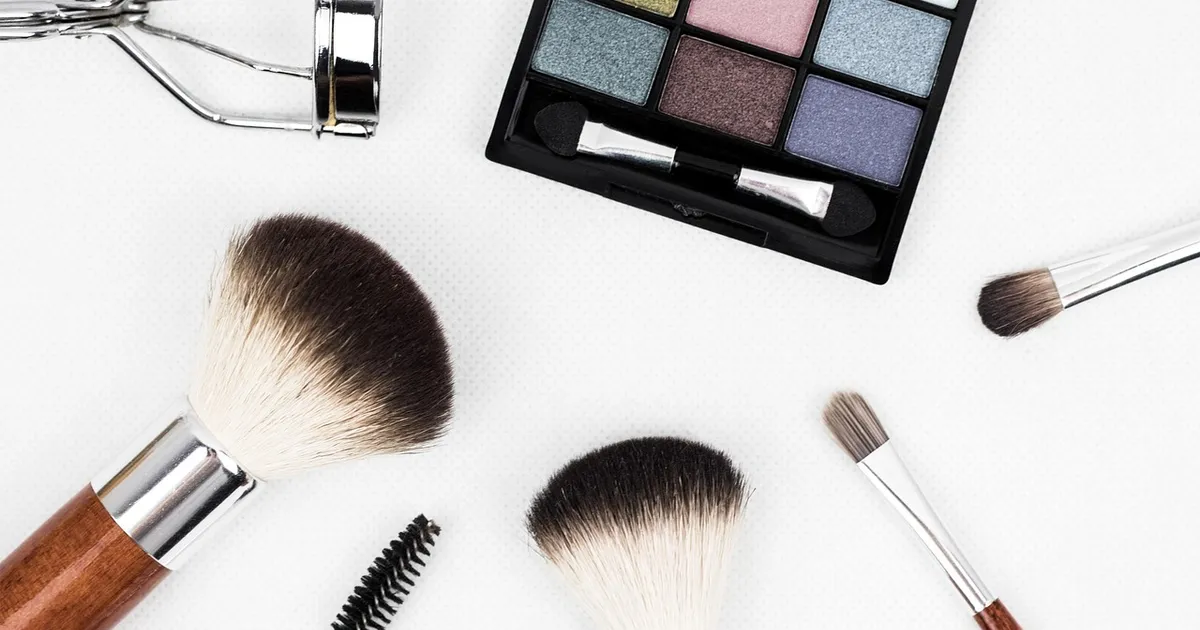
Synthetic bristles are the right answer for most shoppers today. They pick up powder better because the fibers are not porous, they are easier to wash, they cost less, and cruelty-free is now the default for most brands. The catch is that stiff synthetic brushes with a shiny coating can streak powder instead of picking it up. Good sets use soft, matte fibers with a slight crimp.
Natural hair, usually goat, sable, or squirrel, has tiny cuticles that hold product and release a sheerer layer. W.W.D. quoted a makeup artist making the same point when she described natural brushes as better at attracting and keeping product in the brush. That is why natural bristle brushes are the choice for powder work and for artists who need control. They cost more and need gentler cleaning.
A useful test happens in the store. Swipe each brush across the back of your hand. A brush that feels scratchy or leaves stray fibers is not worth buying, no matter what the box says. The same shedding test that W.W.D. recommends tells you more about fiber quality than any label on the packaging.
What does a makeup brush set cost?
Budget sets under $15 usually use thin, flat bristles and plastic handles that crack after a few washes. Mid range sets between $20 and $45 give you dense bristles, sealed handles, and named shapes. Premium sets from $60 to $90 add tighter fiber weaving, weighted handles, and travel cases. The Federal Trade Commission does not require makeup brush makers to list bristle material, so treat vague descriptions such as soft bristles or premium fibers as marketing rather than specification.
One rule saves real money. Buy one well made set and keep it. People who buy a cheap set every few months spend more over five years than people who buy a solid $35 set once. If you want a second opinion, our guide to vitamins for hair growth covers a similar idea in a different category, which is that the tools you keep are worth more than the tools you replace.
How do you take care of a brush set?
Wash brushes every one to two weeks. Use a mild soap and a small bowl of lukewarm water, and work the bristles gently with your fingers. Rinse only the bristles, never the handle. Dry them flat with the heads hanging over the edge of the sink so water does not run into the ferrule, which is the metal band that holds the bristles.
Two habits ruin brushes fast. Drying them upright in a cup traps water inside the handle and loosens the glue. Soaking them in hot water warps the fibers and softens the glue that anchors them. A brush that has started shedding will keep shedding, so replace it rather than trying to nurse it back to life.
What mistakes do most shoppers make with brush sets?
The most common mistake is buying the biggest set instead of the best set. Retailers push 20 piece kits because the price per brush looks lower. The reality is that a large set includes several brushes with the same shape in sizes you will never use, and a kit with poor bristles will disappoint in every one of them.
The second mistake is ignoring the handle. A brush that feels good in the store feels very different after two hundred applications, and grip matters more than beginners expect. Look for a handle that tapers slightly, does not slip when you wet it, and is sealed where the bristles enter.
The third mistake is buying natural bristles for liquid products. Natural hair does not work well with liquid foundation or cream blush because it holds so little product. Synthetic fibers are the better match for anything you pump or squeeze. If you are still deciding, our roundup of top rated massage chairs follows the same buying logic of matching the tool to the job instead of buying on brand alone.
Photo: kinkates, Pixabay Content License, via Pixabay (https://pixabay.com/photos/makeup-brushes-makeup-brushes-1761648/)

 Fazlur Rahman