Fazlur Rahman
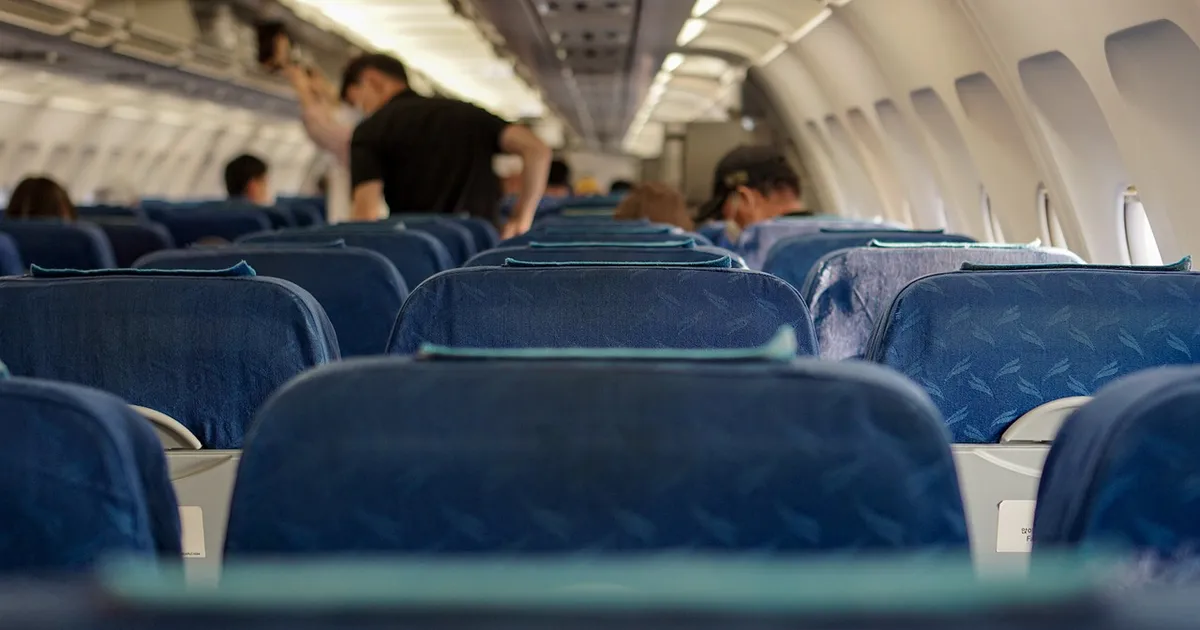
A plane cabin is one of the hardest sound rooms you can sit in. Engine noise sits low and steady, the air system hums through the whole row, and one crying baby can change a trip. The gap between a cheap wired pair and a good over ear set is not sound quality. It is how much of that drone disappears and whether you still have battery left when you land. Here is how to pick the best travel headphones for your trip, which specs matter on a plane, and what the airline rules say about the battery. If you only read one section, read the battery one, because that is where most travel plans fail.
Last verified: October 2026
Which features matter most in the best travel headphones?
Four things decide whether a pair survives a trip. The first is active noise cancelling, a system that plays a sound that cancels out engine rumble. The second is battery life, because noise cancelling is the most power hungry setting and a 14 hour flight is a long test. The third is comfort, since your ears sit pressed against the ear cups for hours. The fourth is size, because overhead bin space is small.
Two more features help on a long trip. Multipoint pairing lets one pair stay connected to your phone and your laptop, so you answer a call in the air without unpairing. A good equalizer app lets you switch between a podcast voice and a movie without touching the headphones. If you want one pair that also works at a desk, read our guide to the best noise cancelling headphones for studying first.