Fazlur Rahman
How much does EV charger installation cost in 2026?
Home charging hardware is cheap next to the labor around it, and that gap is where most price surprises start. The factor that moves a quote most is not the charger brand you pick. It is how much spare capacity your panel has and how far the cable must run from it to your parking spot. Once you know which of those two problems you have, most of the bill becomes predictable. This guide splits the price into hardware, labor, permits, and panel work so you know what to ask a contractor for.
EV charger installation cost in 2026 falls into three bands. A simple Level 2 setup with room in the panel runs 800 to 1,700 dollars. A midrange job with a longer run, a 48 amp charger, and a permit runs 1,700 to 3,000 dollars. A panel upgrade or a trench to a detached garage can push the total past 5,000 dollars.
Qmerit tracks residential install prices across the United States. Its 2026 data shows most homeowners spend about 1,700 dollars on a typical Level 2 installation, plus permit fees where a local rule requires one. The spread between states is wide. Nevada averages 1,387 dollars while Wyoming averages 3,585 dollars.
| Project tier | What the quote covers | 2026 cost range |
|---|---|---|
| Tier 1 simple install | Level 2 charger, short cable run, open panel capacity, permit | 800 to 1,700 dollars |
| Tier 2 midrange | Longer run, 48 amp charger, permit and inspection | 1,700 to 3,000 dollars |
| Tier 3 panel work | Panel upgrade, service change, or trenching | 3,000 to 7,500 dollars |
EcoFlow splits the bill into two halves in its 2026 guide. Electrician work runs 800 to 3,000 dollars before any equipment cost. The charger unit sits on top of that line. Comparing quotes line by line spots an inflated number fast.
One more number matters here. The cost of the electricity you use is separate from the install, and it changes how fast you recover the money. Our EV charging cost guide shows what each kilowatt-hour runs you at home and on public networks.
What is the difference between Level 1 and Level 2 charging?
Level 1 charging uses a normal 120 volt household outlet and the cord that comes with the car. It adds about 3 to 5 miles of range per hour, so a full charge takes 24 to 40 hours. Electric Choice puts it that way, and the math is why most owners treat Level 1 as a backup.
Level 2 charging uses a 240 volt circuit, the same kind of power a clothes dryer or oven uses. It adds 25 to 30 miles of range per hour and fills most cars overnight in 6 to 10 hours. That speed is why Level 2 is the standard home setup.
Level 1 costs little but charges slowly
A Level 2 setup needs nothing more than a wall outlet in most homes. Some models ship with a 120 volt plug, so the install cost is near zero. Others need a small dedicated outlet, which adds a few hundred dollars. At 3 to 5 miles of range per hour, Level 1 fits a plug-in hybrid or a car driven under 30 miles a day.
Level 2 needs its own dedicated circuit
Level 2 requires a dedicated 240 volt line, which is why a permit and an inspection usually apply. Most homes already have a dryer outlet of the same type, so an electrician can model the new circuit on it. Murphy Electric in Oregon reports that a complete Level 2 installation runs 800 to 2,700 dollars, including the charger, materials, licensed labor, and the permit.
Other garage equipment has the same requirements. Our picks for the best electric lawn mowers show which machines run on a standard 120 volt outlet, and most do.
How much does the charger hardware itself cost?
The hardware is the easy half of the quote. Murphy Electric splits the 2026 market into three bands. Entry level 32 amp units run 200 to 350 dollars. Midrange 48 amp Wi-Fi units run 350 to 600 dollars. Premium units from Tesla, Wallbox, and Enphase run 600 to 900 dollars.
| Charger tier | Typical amps | 2026 price |
|---|---|---|
| Entry level | 32 amp | 200 to 350 dollars |
| Midrange with Wi-Fi | 48 amp | 350 to 600 dollars |
| Premium | 48 amp | 600 to 900 dollars |
A 48 amp unit in the 350 to 500 dollar range is the sweet spot for most drivers. It adds enough range per hour to cover a normal commute overnight. Check the amperage your car accepts before you buy, because a 48 amp charger needs a 60 amp breaker.
You can also save by buying the charger yourself instead of letting the electrician add a markup. NeoCharge points out that a smart splitter on an existing 240 volt outlet can bring a whole job down to 300 to 700 dollars. That route often skips the permit.
Why does your electrical panel change the price?
Every Level 2 charger adds a large new load to your panel, so an electrician checks the panel before quoting. Lectron EV reports that a panel upgrade adds 1,000 to 4,000 dollars and more. James and Co in Portland prices a short run from a panel with open capacity at 1,200 to 2,500 dollars all-in. The same job with a panel or service upgrade runs 2,500 to 5,000 dollars.
How to check if your panel has room
Look at the main breaker rating on the top left of your panel. A 200 amp panel often has space for a 48 amp charger. A 100 amp panel often does not. You also need roughly 80 percent of the breaker slots free, so an older 20 circuit panel is a common surprise.
When a panel upgrade becomes necessary
An upgrade means a new breaker box, and sometimes a new service drop from the utility. That work can add weeks to your timeline. It is also the biggest reason a quote comes in above 3,000 dollars. This is where EV charger installation cost jumps the hardest.
Distance matters too. James and Co puts trenching to a detached garage at 3,500 to 7,500 dollars depending on distance and surface. Concrete is harder and pricier than gravel. Electricians bundle jobs in the same neighborhood. If you also need a window air conditioner fitted or gutters cleaned, ask about a shared trip fee.
What do permits and inspections add to the bill?
Most local jurisdictions require a permit for a new 240 volt circuit. Lectron EV lists permit and inspection fees at 50 to 300 dollars. Qmerit puts the national average permit cost at 282 dollars. The inspector checks that the circuit is the right size and that the breaker is rated correctly.
Your electrician usually pulls the permit, so it shows up inside the labor line instead of a separate item. Ask to see the permit receipt after the job. It matters for your insurance file and the charger warranty.
What can you do to cut the bill before work starts?
Collect three written quotes that break out hardware, labor, and permit. A quote with one lump sum hides where the money goes. Ask each electrician to state the panel amperage they found, the cable distance, and the breaker size in writing.
Check for utility rebates. Electric Choice reports that many utilities offer 250 to 500 dollars for a Level 2 charger. Some want you to join a program that slows charging during peak hours. The Alternative Fuels Data Center at the Department of Energy tracks programs you can search by ZIP code.
Timing also helps. If you are buying a new car, ask whether the dealer bundles the charger install into the purchase. Dealers often use a preferred electrician with a lower rate, and that discount is real money on a 1,500 dollar job. Cutting EV charger installation cost this way takes one phone call.
Are there federal tax credits for a home EV charger in 2026?
The federal credit for home charging hardware has closed. The IRS states that the Alternative Fuel Vehicle Refueling Property Credit covers property placed in service from January 1, 2023 through June 30, 2026. The credit equals 30 percent of cost up to 1,000 dollars per item. Nothing placed in service after that date qualifies.
State and utility money still exists. The Department of Energy home upgrades page points to current rebate programs, and many states run their own credits. The Department of Energy guide to electric vehicle benefits explains the hardware and shows what your car supports.
Still deciding on a car? Our hybrid car and SUV guide covers models that charge on a regular outlet. Plan the panel work first, then buy the charger that fits.
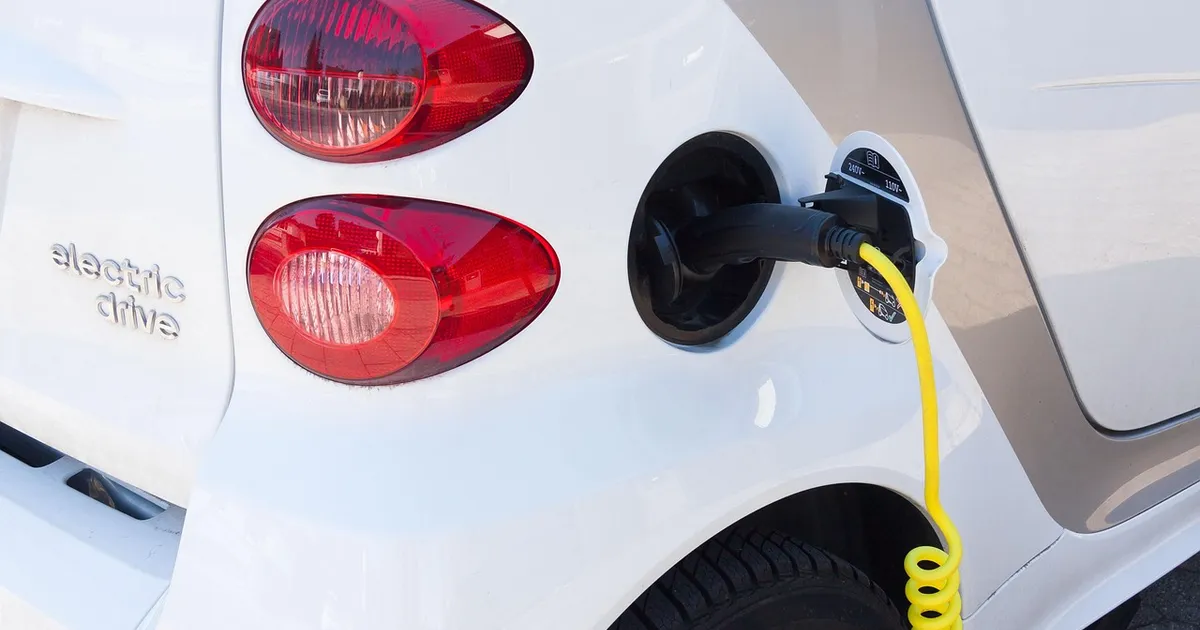
Photo: stux, Pixabay Content License, via Pixabay (https://pixabay.com/photos/electric-car-refuel-electricity-734573/)